finance
Commercial Development in Cairns Faces Mounting Challenges in 2026
Rising costs, labour shortages, and regulatory hurdles are slowing growth in Cairns’ commercial property sector this year.
How we reported this
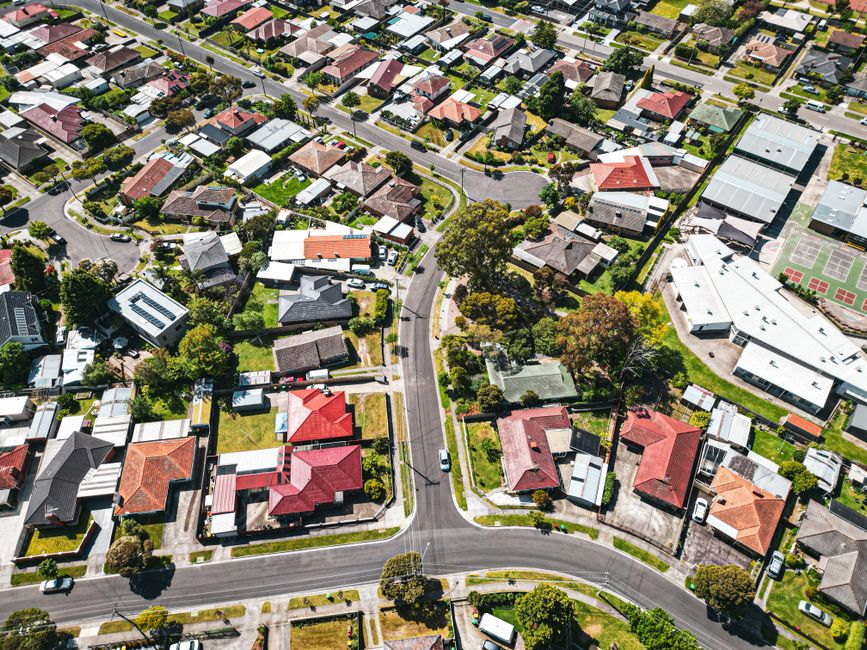
The commercial development sector in Cairns is encountering significant obstacles in 2026, with higher construction costs and labour shortages leading to project delays and squeezed profit margins. Developers and investors are rethinking timelines as global supply chain disruptions and local workforce deficits persist.
This matters now because Cairns’ commercial property market is a key driver of the city’s economic diversification. After years of growth linked to tourism and port activities, expanding retail, office, and mixed-use developments are vital for sustaining jobs and attracting new businesses. With the region recovering from the pandemic’s shock and grappling with inflation pressures, these headwinds threaten to stall momentum for urban renewal and infrastructure upgrades in critical precincts.
Local Strains on Building and Design
Two focal points in Cairns’ commercial development queue, the Smithfield CBD precinct and the redevelopment of the Cairns Central Shopping Centre, illustrate the sector’s pressures. The Smithfield precinct, earmarked for a $120 million mixed-use complex including office and retail space, has reported construction delays stemming from both material cost spikes and a shortage of qualified tradespeople. Meanwhile, the Cairns Central Shopping Centre’s expansion, planned to add 15,000 square metres of floor space, recently pushed back its completion target from late 2026 to mid-2027 due to supply chain bottlenecks and rising compliance costs related to new environmental regulations introduced in Queensland last year.
Public bodies such as the Cairns Regional Council are working closely with developers to streamline planning processes. However, developers say the increased permit review periods and the need to meet stringent sustainability benchmarks add both time and expense. Local construction firms, including Palm Constructions and Tropical Build Group, have publicly acknowledged difficulties in sourcing steel and timber, as well as retaining skilled labour, contributing further to project slowdowns.
Data Underscores the Struggles
According to recent figures from the Master Builders Association Far North Queensland regional branch, construction costs in the Cairns area rose by an average of 12.3% year-on-year in the first quarter of 2026. Labour shortages have pushed average wage bills up by nearly 9%, against a backdrop of inflation running at 7.1% statewide. Vacancy rates for Cairns commercial office space have increased modestly to 8.5%, reflecting slowed absorption during these uncertain times. The combination of these factors has prompted several developers to reassess or postpone projects worth collectively over $300 million across Cairns and its surrounding suburbs.
Experts monitoring the sector highlight that while demand for new commercial spaces remains robust due to ongoing population growth and business expansion, the confluence of economic headwinds and regulatory complexity is testing developers’ resilience.
Looking ahead, commercial property stakeholders are advised to anticipate longer project lead times, factor in contingency budgets for cost inflation, and engage early with local authorities to navigate planning requirements. Strengthening recruitment partnerships with regional training providers like TAFE Queensland Cairns may help alleviate workforce shortages gradually. For investors and tenants, monitoring market vacancy trends and lease terms closely will be crucial as the sector absorbs these evolving challenges during 2026 and beyond.
This article is general information only and is not personal financial or investment advice. Consider your own circumstances and seek licensed professional advice before making financial decisions.