business
Cairns Property Market Sizzles: Opportunities Arise Amid Tight Supply
Intense demand and limited housing stock are driving price growth and rental competition, creating winners in Cairns' thriving property scene.
How we reported this
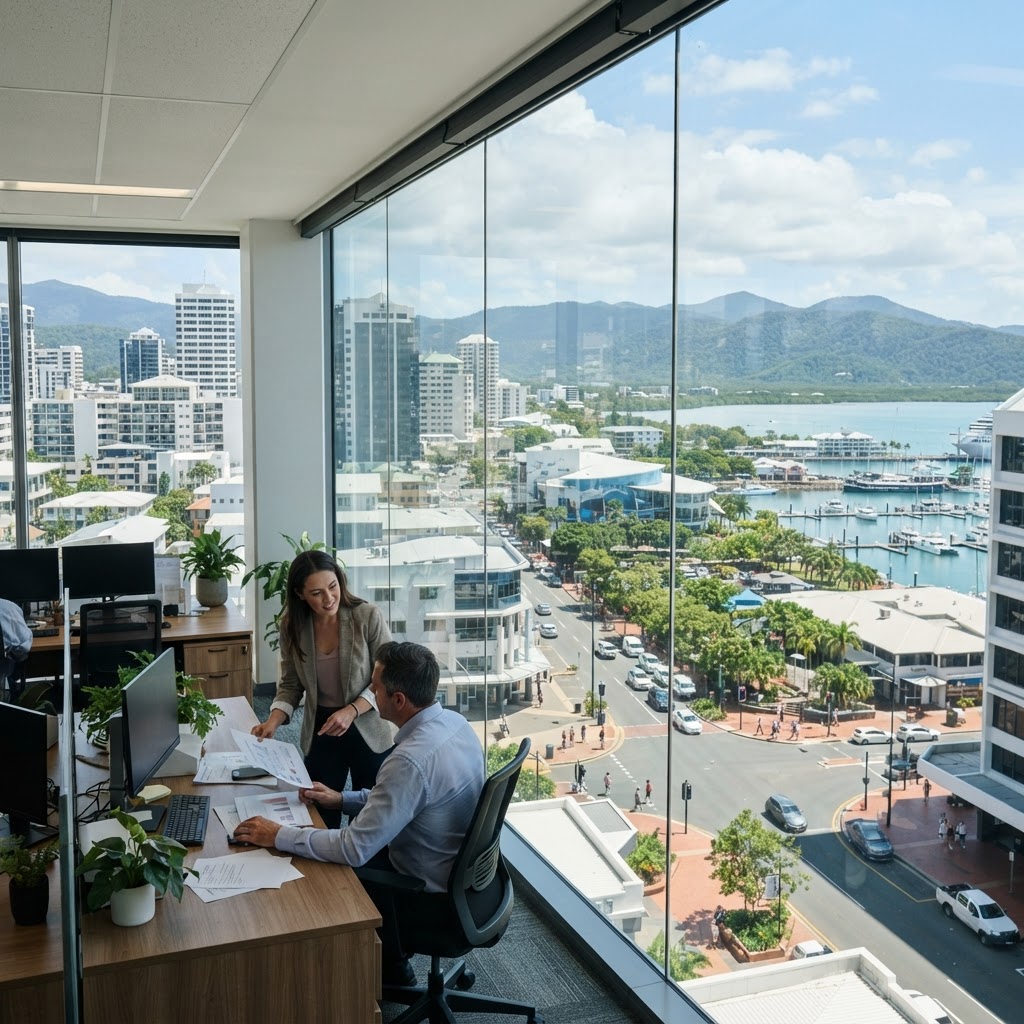
Cairns is experiencing a robust property market with the median house price reaching $789,000 in April 2026-up 15% year-on-year-and the median unit price climbing to $473,000, marking a 20% annual increase, according to The Buyers Co Cairns Real Estate Blog [1]. This rapid price growth is driving heightened interest from investors and homebuyers, signalling significant opportunity in the regional market.
Why Cairns' Market Pressure Matters Now
The surge in prices and demand comes as Cairns grapples with a critical shortage of housing supply. Vacancy rates are alarmingly low, ranging approximately from 0.8% to 1.11% [2], intensifying competition for rental properties across the city. Weekly rents have risen to about $635 for houses and $519 for units, reflecting this scarcity [2]. With median days on market holding steady at around 19 days, properties in Cairns move quickly once listed [3]. This heightened market pressure underscores the urgency for prospective buyers and renters to act swiftly and decisively in securing accommodation.
Adding to supply concerns, building approvals have dropped to near six-year lows, exacerbating fears that new housing developments are not keeping pace with strong buyer demand [3]. Despite Cairns’ healthy labor market, evidenced by an unemployment rate at 4.5%, the limited construction pipeline threatens to maintain current supply constraints.
Who Is Benefiting in Cairns’ Vibrant Property Scene
The rapid appreciation of property values is positioning homeowners and investors advantageously. Cairns’ three-year annualised property growth rate stands at 17.5% per year, outperforming many major Queensland cities and the national average [4]. This strong growth trajectory is attracting increased attention to Cairns’ residential market.
Residents and investors in established suburbs, as well as areas near key amenities such as the Cairns Central precinct, are benefiting from these trends [1]. The ongoing enhancement of Cairns Central, featuring over 160 stores and a recent multi-million dollar redevelopment, supports local property desirability and economic vibrancy [1][5]. Additionally, the expansion of commercial hubs like Portsmith with new retail sites and businesses such as Officeworks and TradeTools helps bolster confidence in the region's growth potential [2].
The constrained rental supply combined with strong demand has generated intense competition for housing, benefiting landlords and property owners with strong rental yields and shorter vacancy periods [2][3]. This dynamic particularly favours investors focusing on Cairns' residential units and houses, which currently command premium rents due to the tight market conditions.
Meanwhile, homebuyers looking to enter Cairns’ housing market face significant challenges given low inventories and swift sales cycles. Skilled buyers are aligning themselves with experienced real estate agents and preparing to move quickly when suitable properties become available, given the average property stays on the market less than three weeks [3].
Looking Ahead: Navigating Cairns’ Growing Market
Prospective buyers and investors should carefully monitor construction forecast reports and building approval trends, which remain weak for the coming period [3]. Those engaging with the market should be aware that supply constraints will likely persist, underpinning ongoing upward pressure on prices and rents.
Renters face a competitive environment intensified by vacancy rates under 1%, requiring proactive searching and readiness to secure short-notice tenancy agreements [2]. For homeowners and investors, this is a time to capitalise on Cairns’ sustained growth and strong rental market fundamentals.
Ultimately, Cairns’ property market presents clear opportunities for those positioned to navigate its challenges. The city’s ongoing commercial developments, tenancy demand, and population trends provide a supportive backdrop for future investment and living decisions.