community
Daintree Rainforest and Cape Tribulation Unite Two World Heritage Areas
Two World Heritage Areas meet at one of the planet's most extraordinary biodiversity hotspots.
How we reported this
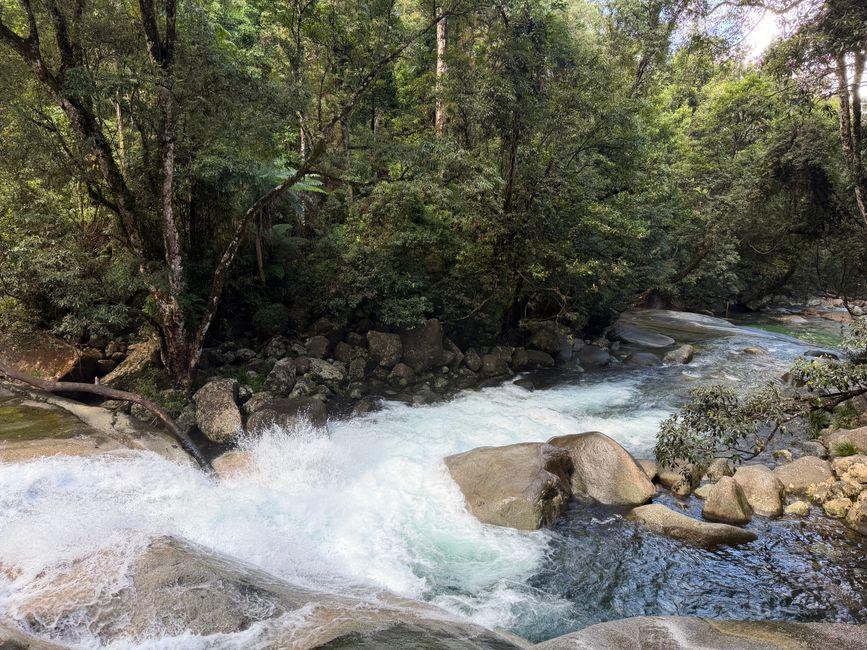
North of Cairns, the Daintree Rainforest extends from the mountains to the sea at Cape Tribulation, creating the unique landscape where the world's oldest tropical rainforest meets the Great Barrier Reef at the water's edge. The confluence of two UNESCO World Heritage Sites within a few hundred metres of each other at Cape Tribulation produces a biodiversity intensity that has no parallel anywhere else on earth, and the accessibility of this landscape from Cairns makes it one of the world's most visited wilderness areas.
The Daintree River ferry crossing, 90 minutes north of Cairns, marks the transition into the Wet Tropics World Heritage Area where the road narrows and the vegetation closes in on either side. The ferry crossing has been the subject of environmental debate, with proposals to replace it with a bridge opposed by conservation groups who argue that the ferry's operation provides a natural constraint on visitor numbers that a bridge would remove, exposing the Daintree's sensitive ecosystem to a volume of tourism that would degrade the values attracting visitors.
The animals of the Daintree are uniquely Australian in character and include species found nowhere else on earth. The cassowary, a large flightless bird whose relationship with the rainforest's seed dispersal ecology makes it a keystone species, is most commonly seen in the Cape Tribulation area where vehicle collision risk from the unsealed tourist road has made vehicle speed management a conservation priority. The crocodile population of the Daintree River is visible to tourists on the river cruise operations that provide safe water-level viewing of wild saltwater crocodiles in their natural habitat.
Indigenous cultural tourism in the Daintree, provided by the Kuku Yalanji traditional owners whose country encompasses the rainforest and its coastline, offers visitors the opportunity to understand the rainforest through the knowledge of people who have lived within and managed it for tens of thousands of years. The Mossman Gorge Centre provides the infrastructure for Kuku Yalanji-led cultural walks and experiences that complement the environmental tourism with human cultural depth.