culture
Cairns Cultural Evolution: Tracking the History and Evolution of this Local Scene
From regional archives to international hubs, the city's gallery district reflects a shift in how we view the tropics.
How we reported this
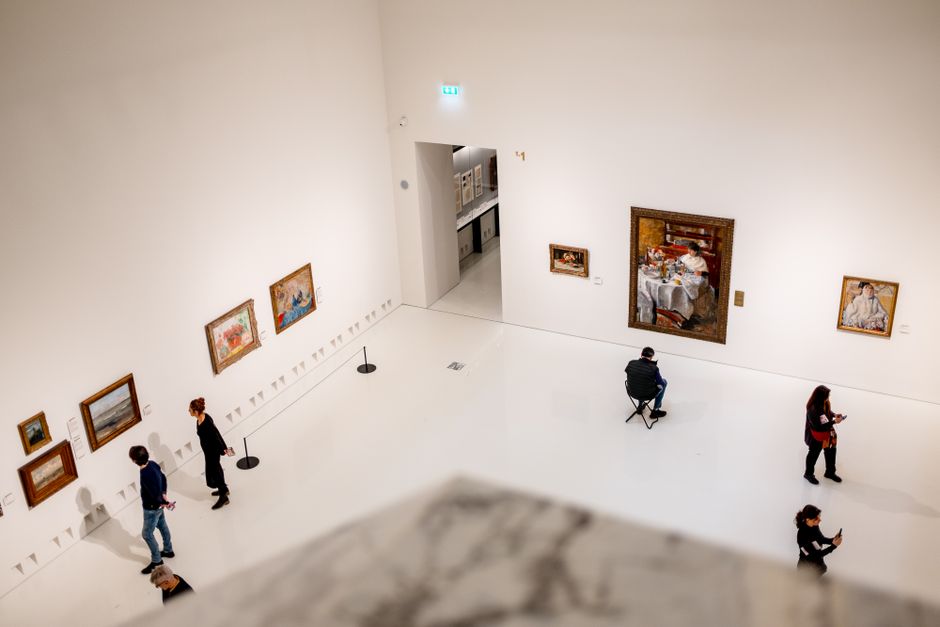
Cairns has transitioned from a gateway for reef tourism into a sophisticated centre for contemporary art and historical scholarship, marking a period of expansion for the city’s cultural institutions. As visitation numbers climb, the narrative surrounding the Cairns art scene has moved beyond simple representations of the rainforest, now embracing complex dialogues on regional identity and Indigenous heritage.
The current cultural climate reflects a broader push to solidify Cairns as a major intellectual anchor in the Asia-Pacific region. Investment into public spaces, such as the redevelopment of the Cairns Art Gallery on Abbott Street, has transformed how local and touring exhibitions engage with the public. This evolution is vital for a city balancing rapid demographic growth with the need to preserve its unique environmental and cultural legacy.
The growth of institutions
The history of the local scene is rooted in the establishment of the Cairns Art Gallery, housed in the heritage-listed former Public Curio Building. Its transition from a modest collection to an institution that frequently hosts international touring works demonstrates a maturation of the city’s artistic infrastructure. Alongside this, the Cairns Museum, located in the School of Arts building on the corner of Lake and Shields streets, serves as the primary repository for the region’s social history, documenting the shifting demographics of the far north.
These institutions are increasingly collaborating with community groups to ensure that the evolution of the city's identity is documented in real-time. The integration of digital archiving programs allows for broader accessibility, bridging the gap between historical preservation and modern technology.
Data and development
Data from local economic impact assessments conducted throughout the 2026 fiscal year suggests that arts-related tourism has become a significant driver of foot traffic within the CBD. Attendance figures at major public galleries have trended upwards, reflecting a sustained interest in regional programs. Furthermore, funding cycles for community-based art projects have seen a consistent level of support from state and local government bodies over recent months.
Visitors planning to explore this evolving landscape should note that most major institutions have moved toward a membership-based access model, with single entry fees for temporary exhibitions often set at nominal rates to encourage repeat visits. Those interested in the historical trajectory of the city's visual arts should prioritize checking the current schedules for the Cairns Art Gallery, as exhibition cycles typically rotate every three to four months, providing regular opportunities to see new acquisitions and loan works from national collections.