community
Healthcare in Cairns: Hospitals, Services and Where to Go
A practical, general guide to the public and private hospitals, primary care and emergency options that serve Cairns and the wider Far North Queensland region.
Listen in English · 4 min
How we reported this
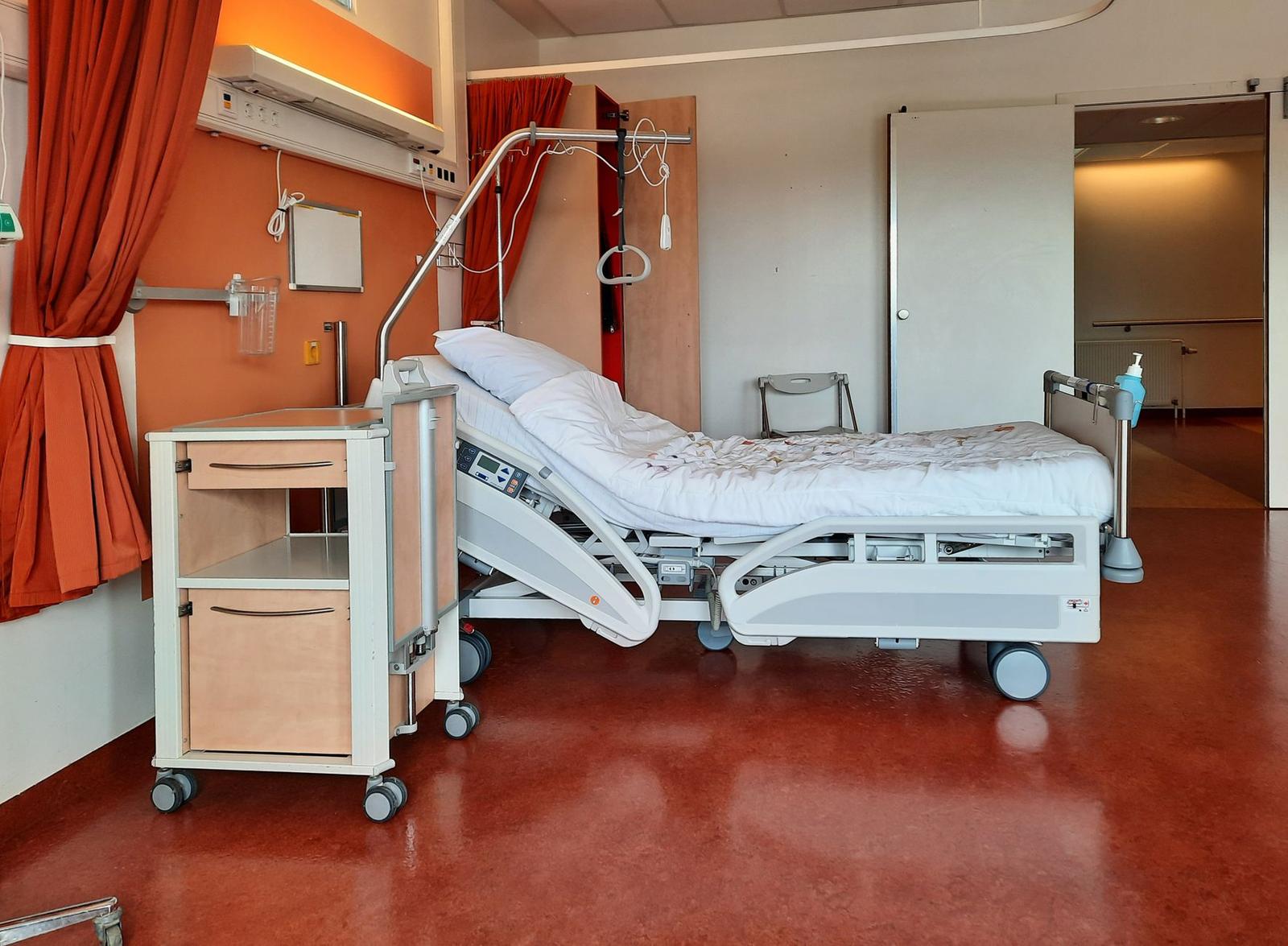
This is a general explainer about how healthcare is organised in Cairns, written to help residents and newcomers understand the local landscape rather than to give medical advice or list every service. Health services, building works, opening hours and the way care is delivered change over time, so always confirm current details directly with the provider, with Queensland Health or with your own doctor before acting on anything here. In a medical emergency, the advice across Australia is to call triple zero (000).
What makes Cairns distinctive is its role as the healthcare hub for one of the largest and most remote service regions in the country. According to the Cairns and Hinterland Hospital and Health Service, the publicly funded network responsible for the area, its facilities serve communities spread across a vast tropical region that reaches from the coast near Cairns inland to the Atherton Tablelands and west toward the Gulf country. Because the nearest comparable city is a long way south, Cairns carries responsibilities that a town of its size in a denser part of Australia would not, and much of the care that people in Cape York, the Torres Strait and the surrounding hinterland eventually need passes through the city. This shapes everything from the size of the main hospital to the emphasis on tropical and remote-area medicine.
The cornerstone of the public system is Cairns Hospital, which the Cairns and Hinterland Hospital and Health Service describes as the major referral hospital for Far North Queensland. It provides a broad range of services and acts as the place where patients from smaller towns and remote communities are sent when they need more specialised care than their local facility can offer. As a referral centre it offers many specialist departments under one roof, and it is the main destination for people across the region who require higher-level emergency, surgical or inpatient treatment. For most serious public-hospital needs in and around Cairns, this is the central facility.
Beyond the main hospital, the public network extends across the region through a string of smaller hospitals and health centres. The health service operates regional hospitals at centres such as Atherton, Innisfail and Mareeba, along with community hospitals and multipurpose health centres in towns including Mossman, Babinda, Gordonvale, Tully and Herberton, and a number of primary health care centres in local and Indigenous communities. This layered structure means routine and lower-acuity care can often be delivered closer to home, while more complex cases are referred on to Cairns. For residents, it helps to know which local facility handles which kinds of care, because not every site offers a full emergency department or every specialty.
Private healthcare also has a significant presence in the city. Cairns Private Hospital, operated by Ramsay Health Care, is the main private hospital and offers a range of medical, surgical and day-procedure services for patients with private health insurance or those choosing to pay privately. Private and public care work side by side in Cairns, and many specialists consult in both settings. Which pathway a patient uses generally depends on their insurance status, the urgency of their condition and a referral from a general practitioner, so it is worth understanding the difference before you need care rather than during a crisis.
Day-to-day healthcare for most people still begins with primary care, meaning general practitioners, pharmacies, community health services and allied health professionals such as physiotherapists and dietitians. A GP is usually the first point of contact for non-emergency illness, ongoing conditions, prescriptions and referrals into the hospital or specialist system. For urgent but non-life-threatening problems outside ordinary hours, options can include after-hours GP services and pharmacies, while genuine emergencies should go to a hospital emergency department or call triple zero. Healthdirect, the national health advice service, and Queensland Health both publish guidance on choosing the right level of care, which can help avoid unnecessary trips to the emergency department.
Cairns also functions as a teaching and training centre, which is part of what allows it to sustain a deep pool of clinical staff so far from the major capitals. James Cook University has an established medical and health-sciences teaching presence in the city, with students undertaking clinical placements alongside the public hospital, and the region is a recognised setting for training in tropical, rural and remote medicine. This teaching role helps attract and retain doctors, nurses and allied health workers, and it ties local care to research and education in conditions that are especially relevant to northern Australia.
Taken together, healthcare is one of the larger employers and economic anchors in the Cairns region. Hospitals, the broader health service, private providers, aged care, primary care practices and allied health together support a substantial local workforce, a pattern consistent with Australian Bureau of Statistics data showing health care and social assistance to be among the biggest employing industries nationally and especially in regional centres. For residents, the practical takeaways are simple: register with a local GP, keep the details of your nearest appropriate facility handy, understand whether you are using the public or private pathway, and reserve emergency departments and triple zero for genuine emergencies.
Sources: Cairns and Hinterland Hospital and Health Service, Queensland Health, Cairns Private Hospital (Ramsay Health Care), James Cook University, Healthdirect Australia, Australian Bureau of Statistics.