news
Cairns Takes a Harder Line on Digital Image Fraud Than Most Comparable Tropical Cities
As duplicate and AI-generated images flood local property listings and tourism platforms, Cairns is moving faster than peers like Darwin and Townsville, but still lags behind international benchmarks set by cities in Thailand and Costa Rica.
How we reported this
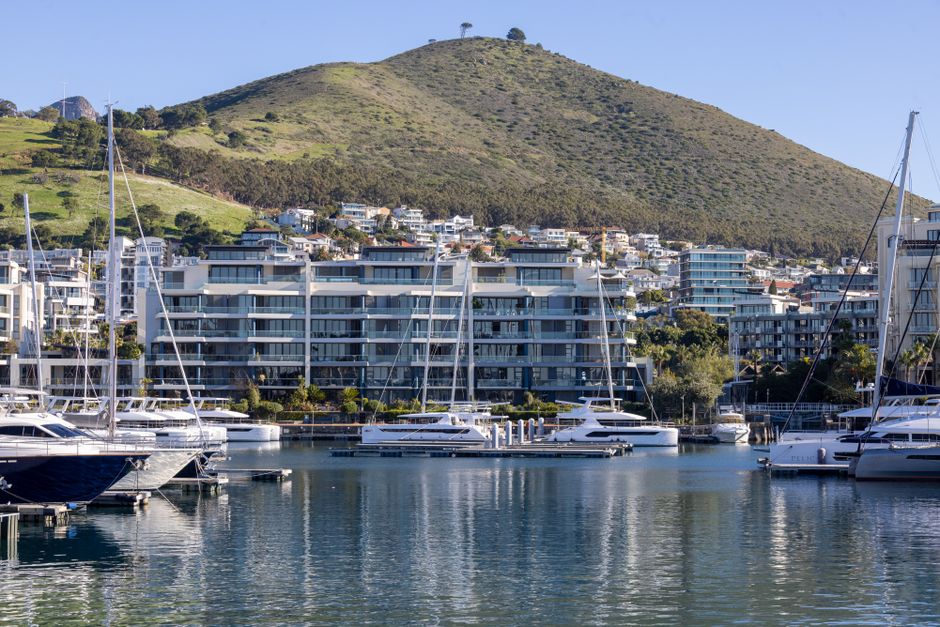
Cairns Regional Council has begun requiring real estate agencies and short-term accommodation operators to submit verified, geotagged photography for any listing published through council-linked tourism portals, a policy shift that took effect on July 1 this year. The move targets a surge in duplicate and manipulated images, photos recycled across multiple properties, or digitally altered to remove flood markers and cyclone damage, that local consumer advocates say has worsened significantly since generative AI tools became widely accessible in 2024.
The timing matters. Far north Queensland's property market is under intense scrutiny heading into the 2026-27 financial year, with the Great Barrier Reef's ongoing protected-area status pushing both eco-tourism listings and residential demand in coastal zones like Trinity Beach and Machans Beach. Misrepresentative images in that context don't just mislead buyers, they can facilitate fraudulent claims about a property's proximity to reef access points, feeding into the broader tension between the fishing industry and conservation regulators that has simmered in the region for years.
What Cairns Is Actually Doing
The lead agencies are Cairns Regional Council's Planning and Development directorate and Tourism Tropical North Queensland, which operates out of its Sheridan Street office in the CBD. Under the new framework, listings flagged as containing duplicate images, identified through reverse-image scanning software integrated into the council portal, are suspended within 48 hours pending resubmission. Tourism Tropical North Queensland has been running a parallel audit of its own platform since March 2026, reviewing roughly 1,400 active accommodation listings across the region.
Real estate bodies at the Grafton Street precinct, including several independently operated agencies catering to the Pacific Island diaspora community buying into suburbs like Woree and Bungalow, have been given a 90-day compliance window. That deadline falls on September 29. Agents who miss it face removal from the council's preferred-operator directory, which feeds directly into the Cairns Airport arrival information screens, a significant commercial penalty given the foot traffic volume through that terminal.
Consumer advocacy group CHOICE published analysis in May 2026 estimating that duplicate or manipulated property images appeared in approximately one in eight short-term rental listings nationally. Cairns, as a high-turnover tourist destination, sits above that average by the council's own internal estimates, though those figures have not been independently verified or publicly released in full.
How This Compares Globally
Cairns is ahead of Darwin and Townsville, neither of which has implemented a formal image-verification requirement for council-linked platforms as of this reporting. But the gap between Cairns and international comparators is stark. Chiang Mai in northern Thailand introduced mandatory geotagged photography for all Airbnb-category listings registered with its municipal tourism office in January 2025, and compliance there is enforced through the national Tourism Authority of Thailand, which has real penalty powers. Puerto Viejo in Costa Rica, a reef-adjacent town with a comparable eco-tourism economy to Cairns, tied image authenticity standards to its Blue Flag certification program as far back as 2023.
The difference, consumer advocates suggest, is enforcement architecture. Cairns' current system relies on complaints-based flagging supplemented by automated scans, but there is no dedicated investigator position funded within either the council or Tourism Tropical North Queensland to follow up on complex cases. Darwin's equivalent office confirmed to this masthead it had no plans to introduce similar measures before mid-2027.
For Cairns residents and property buyers, the practical upshot is straightforward: if you are searching listings through the council portal or the Tourism Tropical North Queensland platform, images uploaded after July 1 should carry a geotagged verification badge. If that badge is absent on a listing dated after that cutoff, the council's Planning and Development team asks that residents report it through the Cairns Regional Council online complaints portal. The 90-day compliance window for local agents closes at the end of September, after which enforcement steps up. Whether the council has the staffing to back that up is a question that will answer itself quickly.