news
Upgrades to Cairns Emergency Services: What Residents Need to Know and How It Impacts the Community
Significant investments and operational changes in Cairns emergency services will improve response times and safety amid increasing regional challenges.
How we reported this
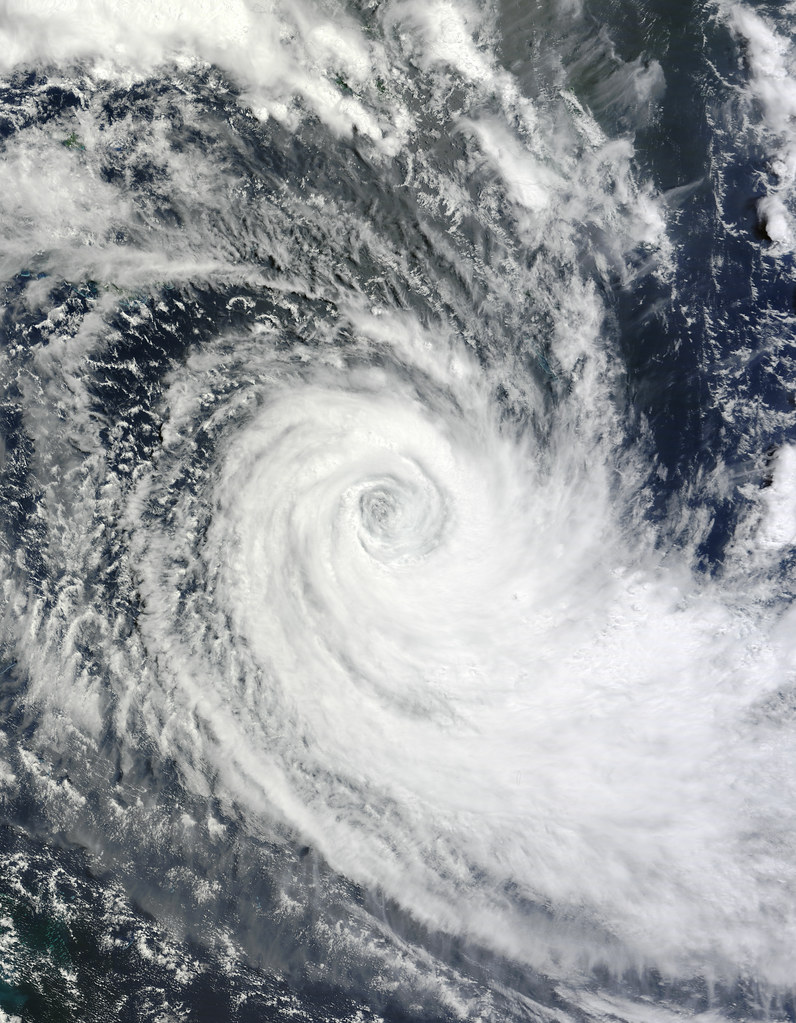
The Queensland Fire and Emergency Services (QFES) announced a $5 million upgrade to the Cairns District's emergency response infrastructure, targeting faster dispatch and improved equipment for frontline crews. This comes as the region prepares for a more intense cyclone season and increased urban growth.
With Far North Queensland experiencing higher population growth rates and more frequent extreme weather events, reinforcing emergency services is critical. Cairns has seen its population rise around 1.5% annually over the past five years, driving up demand for rapid, effective emergency responses, especially in vulnerable neighbourhoods like Stratford and Edge Hill.
Local Priorities: Strengthening Cairns' Emergency Framework
The Cairns Regional Fire Station on Abbott Street will receive new aerial appliances, enhancing firefighting capabilities for high-rise and bushfire incidents. Simultaneously, the Cairns State Emergency Service (SES) is expanding volunteer recruitment through its local hub on Hoare Street, focusing on flood response skills to support low-lying suburbs such as Manoora and Earlville, where flood-prone zones persist.
The local Queensland Ambulance Service (QAS) is also set to acquire two more rapid response vehicles, which will be stationed near the Cairns Hospital precinct. These additions seek to reduce current average ambulance response times, which according to recent data, stand at 18 minutes for priority one calls, exceeding the state target of 15 minutes.
Data Highlights and Community Impact
Last year alone, Cairns emergency services responded to over 3,600 incidents, with bushfires and flooding accounting for roughly 38% of callouts. The increasing strain was documented in a June 2026 report by QFES, which showed a 12% increase in emergency incidents in the Cairns region over five years. Funding such as the recent $5 million boost directly supports enhanced training, equipment, and the expansion of volunteer forces, which currently number around 250 across the city.
Residents in suburbs like Whitfield and Yorkeys Knob, often isolated during flood events, are expected to benefit from improved flood warning systems and faster emergency response vehicles detailed in the upgrade plan. This is crucial to safeguard local businesses, schools, and tourist inflows, which underpin Cairns’ economy.
The Cairns Regional Council has welcomed the investments but stresses ongoing community education in emergency readiness remains vital. Programs like the Disaster Resilience Framework workshop series will continue this year, aiming to equip residents with practical knowledge on evacuation routes, emergency kits, and communication plans.
Moving forward, residents can expect emergency services to roll out new communication alerts linked to the Bureau of Meteorology’s real-time data feeds by early 2027. Community meetings scheduled in August across venues such as the Cairns Civic Theatre will provide further details and gather local input on needs from Strathpine to Mount Sheridan.
For immediate safety preparation, Cairns locals are advised to review their household emergency plans, secure property against potential cyclone damage, and register for the Queensland Emergency Alerts system online. These steps are crucial as the city braces for an uncertain weather pattern heightened by climate change impacts this year.