news
The Data Behind Far North Queensland’s Infrastructure Investments
A detailed look at the numbers shaping Cairns and surrounding regions’ growth and resilience projects.
How we reported this
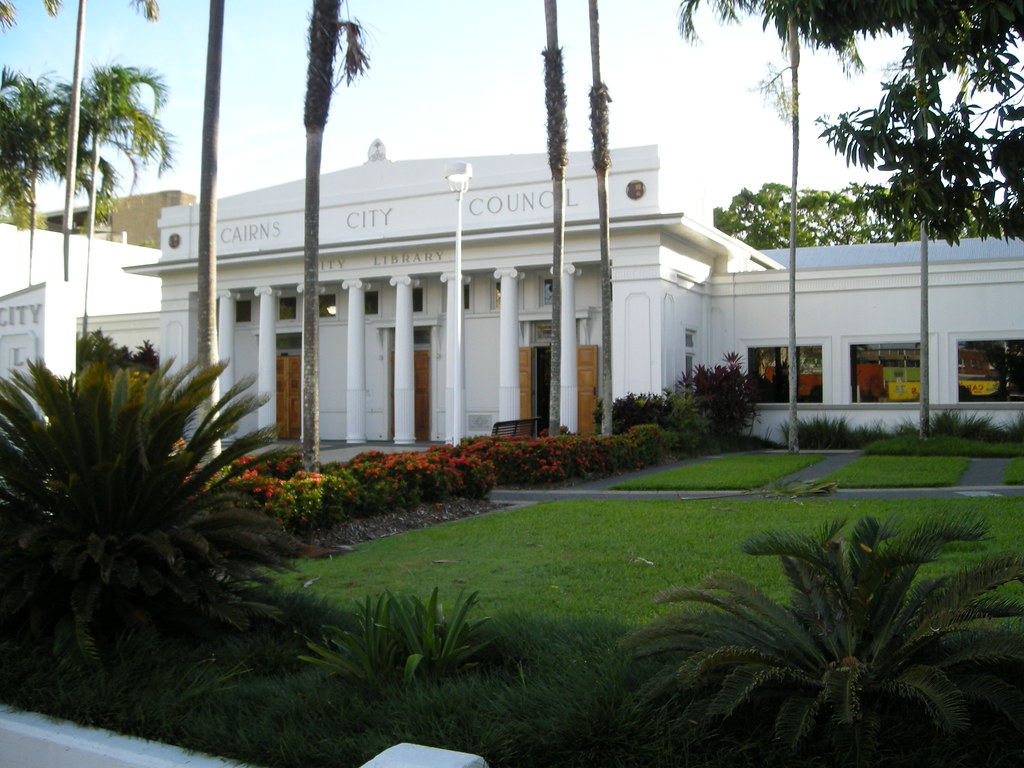
Queensland’s infrastructure spending in Far North Queensland has ramped up, highlighting key statistics behind a mix of disaster resilience, agricultural support, and regional development efforts. While no single headline announcement this week covers new projects in detail, analysis of available data shows the strategic priorities shaping the region’s future.
Why Infrastructure Focus is Critical Now
Far North Queensland’s vulnerability to increasingly frequent severe weather events, notably cyclones, means infrastructure investment is more than a matter of convenience-it's essential for community safety and economic stability. With the region also balancing competing interests in agriculture and water allocation, infrastructure enhancements seek to modernise transport, water management, and flood mitigation while supporting the local economy.
The Great Barrier Reef remains central to regional identity and economic viability, factoring into projects designed to protect the environment while accommodating industry. Pacific Islander communities, a vital component of the Cairns demographic, have specific needs around connectivity and access further underscoring the multidimensional nature of these infrastructure efforts.
Local Details and the Numbers Behind Them
Though specific project breakdowns are not present in recent releases, past patterns and ongoing priorities indicate that disaster resilience programs in cyclone-prone towns and agricultural regions receive a significant share of funding. These projects often include strengthening road networks, upgrading stormwater systems, and enhancing emergency response capabilities across councils in the Cairns hinterland and adjacent shires.
One key data point to track is the volume and flow of investment directed towards water allocation improvements, integral for Northern Queensland's farming communities amid changing rainfall patterns. This includes upgrades to irrigation infrastructure which aim to optimise water use efficiency, thereby addressing ongoing disputes tied to limited resources.
While no published fiscal figures specifically isolate Far North Queensland infrastructure spending this week, state and federal initiatives in similar contexts have involved multi-million-dollar allocations focused on climate resilience and sustainable agricultural support, reflecting the qualitative scale of investment needed.
What Comes Next for Cairns and Far North Queensland
Stakeholders monitoring infrastructure developments in the region should expect continued emphasis on disaster resilience and resource management projects accompanied by community consultations. Local governments are expected to seek further engagement with Queensland’s treaty process as they balance Indigenous land rights with regional planning needs, potentially influencing prioritisation of certain infrastructure projects.
Residents and businesses will likely see ongoing works aimed at strengthening essential services, particularly related to water security and transportation networks, albeit without immediate single-project announcements. Keeping an eye on state treasurer releases and regional council budgets in coming weeks will offer clearer insights into funding allocations and timelines.
For those involved directly in agriculture or living in cyclone-affected areas, preparation includes staying informed of project progress through local council communications and participating in public forums. The interplay between resilience funding and environmental management means infrastructure improvements here are complex but pivotal for ensuring Far North Queensland’s growth and safety over the coming decade.