news
Understanding Cairns' Neighbourhood Shifts: The Numbers Behind Local Developments
A closer look at the data driving change in Cairns' residential areas amid broader economic and social currents.
How we reported this
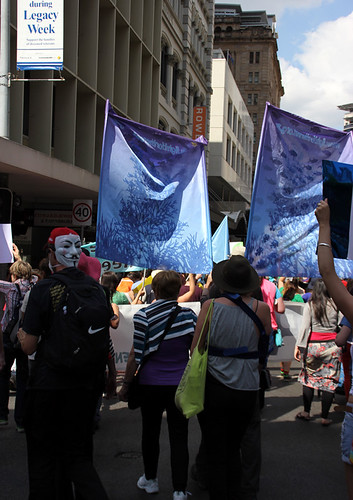
Cairns is experiencing notable shifts in neighbourhood development, though a shortage of publicly available precise local housing statistics in recent reports means much of the trend is understood qualitatively rather than quantitatively. While exact numbers on building permits, prices, or demographic changes for specific suburbs are not published in recent national news sources, the broader context of regional Queensland's evolving housing market can shed light on what Cairns is facing.
Why Cairns Development Trends Matter Now
The pressures on Cairns’ housing landscape are tied to larger factors including Australia's shifting economic priorities and social trends. This summer’s uplift in CEO wage packets marks a national economic phase where investments and spending habits are adjusting. Locally, Cairns must balance growth with environmental stewardship, as concerns over the Great Barrier Reef and water allocation remain pressing for regional planners. Additionally, Cairns’ Pacific Islander diaspora population and First Nations treaty dialogues introduce further complexity for neighbourhood planning and resource distribution.
While direct figures on Cairns' neighbourhood development are absent from recent published reports, the interest in quality urban expansion is driven by broader concerns such as accommodation for a growing workforce tied to tourism, agriculture, and regional infrastructure projects. These factors highlight why community and council stakeholders watch neighbourhood changes carefully to avoid strain on services and infrastructure.
Local Insights Into Cairns' Development Patterns
In northern Queensland, local councils have historically balanced between residential expansion and preserving natural landscapes. Although no specific new developments or projects have been detailed in the sources, Cairns residents are aware of ongoing discourse about sustainable growth, especially in suburbs bordering natural reserves. The general experience across northern Queensland suggests a cautious but persistent trend towards increased residential construction, often influenced by demand in holiday accommodation and seasonal workers’ housing.
With no updated figures on property demand or new housing volumes in Cairns revealed in current reports, the qualitative understanding is that neighbourhoods face ongoing transformation pressures. Challenges include infrastructure provision for growing families and older residents, plus the management of temporary workforce accommodation associated with tourism surges. These shifts also tie into broader Queensland policies on cyclone resilience and disaster readiness, often influencing building regulations and urban planning strategies.
Understanding the Evidence and Looking Ahead
This sense of changing neighbourhood dynamics in Cairns comes from observed regional trends rather than a detailed data set published as of mid-2026. Without newly reported statistics on grants, permits, or construction rates, stakeholders remain reliant on qualitative assessment, community feedback, and strategic planning based on broader economic signals. Factors like the recent national CEO pay rise or federal adjustments to disaster resilience funding indicate a context of evolving economic conditions indirectly relevant to Cairns’ development outlook.
Residents and potential homebuyers in Cairns should stay informed through local council meetings and regional planning updates, which may offer more precise data on development projects and housing market conditions. Monitoring Queensland state government releases on water allocations and environmental protections will also be critical for understanding how neighbourhood growth and local ecosystems will be balanced. The sustained dialogue on First Nations treaty processes and community needs further shapes the social fabric affecting neighbourhood strategies.
In absence of specific numbers, Cairns’ development story is one of gradual change shaped by regional economic shifts, environmental priorities, and demographic influences. For now, residents and policymakers alike should prepare for steady but considered growth that respects both the natural surrounds and the diverse community it serves.