news
Cairns Residents Assess How Neighborhood Adjustments Shape Daily Access and Local Connections
Shifts in residential areas around the city prompt people to consider effects on services, mobility and social networks in far north Queensland.
How we reported this
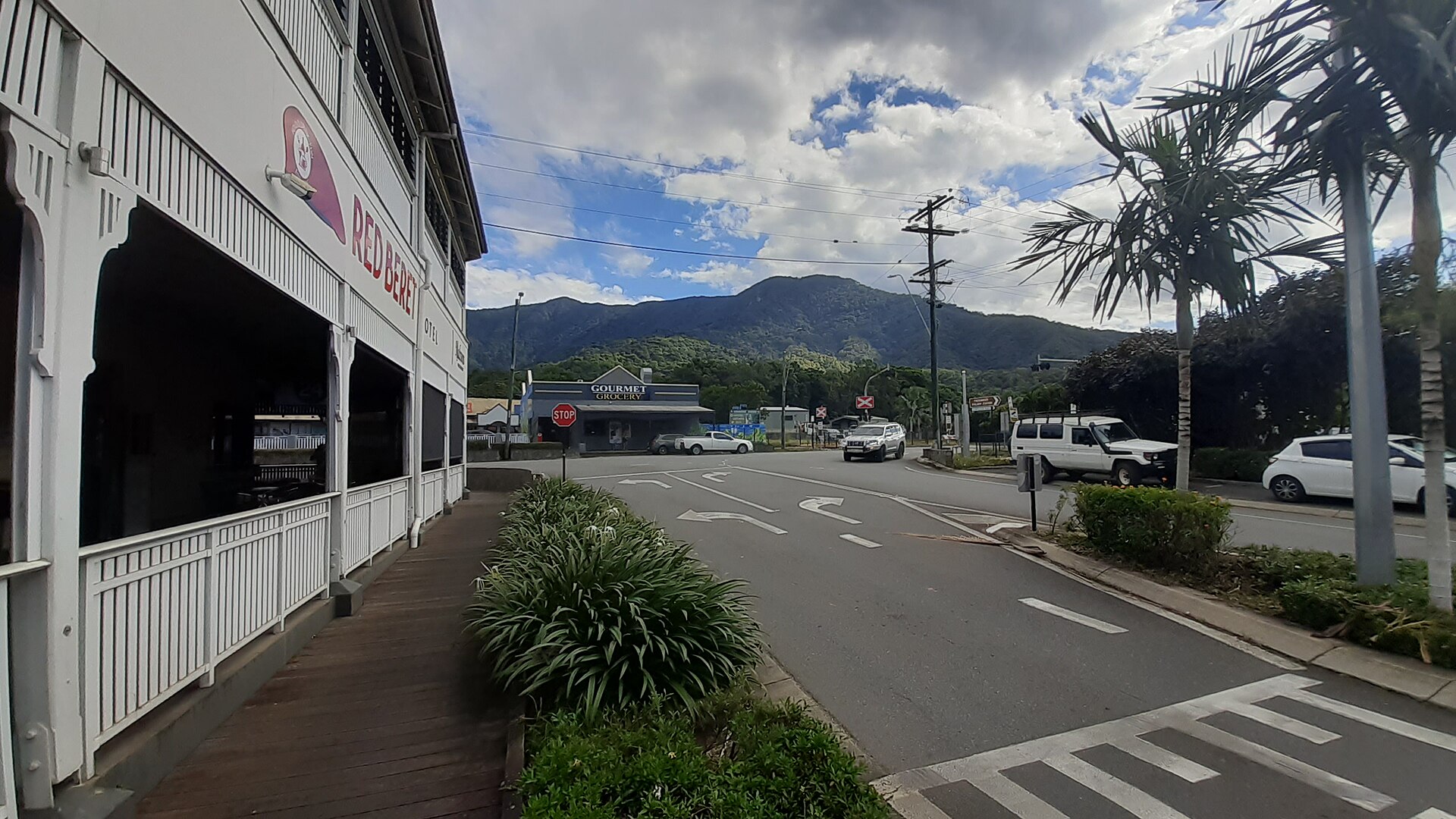
Residents in Cairns continue to monitor adjustments in their immediate surroundings because those changes can alter how easily people reach work, shops and community facilities.
Regional growth patterns in far north Queensland have placed new pressure on housing supply and infrastructure at a time when state and federal policy settings affect everything from water management to disaster preparedness. The timing coincides with broader national discussions on economic pressures and planning priorities that filter down to local decision making.
Effects on everyday movement and services
Changes to streets and blocks can lengthen or shorten travel times for families who rely on public transport or private vehicles to reach employment centres and schools. When development alters parking availability or footpaths, older residents and those with limited mobility often notice the difference first in their ability to maintain regular routines.
Qualitative patterns observed in similar regional centres show that incremental housing additions tend to increase demand on existing drainage and road networks, particularly during the wet season. Without corresponding upgrades, these pressures can lead to more frequent minor flooding or congestion at key intersections.
Implications for community ties and local identity
Neighborhood adjustments also influence how readily people maintain contact with neighbours and participate in informal networks that support everything from childcare swaps to emergency preparedness. When new housing replaces older stock, long-standing social patterns can shift even if formal programs remain unchanged.
Local organisations that run community events or support services report that proximity matters for attendance rates, especially among Pacific Island diaspora groups and First Nations families who value face-to-face connection. Sustained access to gathering spaces therefore becomes a practical concern rather than an abstract planning issue.
People interested in tracking these matters can review publicly available planning documents released by the Cairns Regional Council and attend scheduled community consultation sessions when they are advertised.