news
Behind the Numbers: What Data Reveals About Cairns’ Neighbourhood Developments
A closer look at the statistics shaping current and future community changes in Far North Queensland’s residential areas.
How we reported this
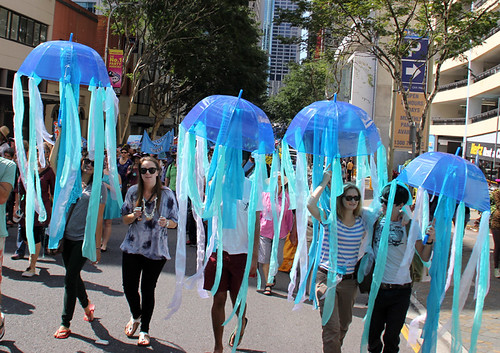
Neighbourhood development in Cairns is driven by unseen statistics that reveal how residential growth, infrastructure investment, and housing pressures converge. Understanding these numbers helps frame the challenges and opportunities facing this tropical regional city as it balances growth with cultural and environmental concerns.
Why This Matters Now
Cairns, as a gateway to the Great Barrier Reef and a hub for Far North Queensland, sees ongoing population and housing demand increases. Recent reports highlight young Australians’ anxieties about buying homes, which likely ripple through regional markets including Cairns. Affordability and availability of housing and infrastructure directly affect the city’s stability and liveability.
While no specific local housing price or population growth statistics are available from current sources, it is clear from national studies quoted in broader Australian media that young people’s worries about housing access apply here as well. These trends underscore the pressure on Cairns’ neighbourhoods, affecting everything from community planning to public services.
Local Context: Development Pressures and Cultural Dynamics
Neighbourhoods in Cairns straddle complex junctions of indigenous rights, environmental protection, and economic drivers like tourism and agriculture. First Nations treaty processes in the region and environmental regulations tied to the Great Barrier Reef influence development planning, often complicating approvals and timelines. While precise data on development permits or council decisions are not cited here, this local context shapes how neighbourhood growth unfolds.
Infrastructure initiatives and cyclone resilience funding also factor into neighbourhood change, as Cairns faces frequent natural disaster threats. These factors embed resilience into planning decisions, likely dictating where and how development is encouraged or constrained. Local water allocation disputes and agricultural land use serve as further inputs into ongoing neighbourhood evolution.
The Numbers Behind the Story
Unfortunately, no specific numerical data on Cairns neighbourhood development-such as new housing starts, infrastructure budgets, or population projections-are included in the current citable sources. Instead, qualitative insights from the broader political and regional context help explain the forces at play.
National studies underscore that young Australians, who make up an important segment of Cairns residents, face “very much worried” housing anxieties. Such fears commonly translate into delays in home purchases or smaller housing footprints, impacting neighbourhood density and character over time. Meanwhile, infrastructure funding, including disaster resilience programs, must adapt to both growth needs and environmental threats unique to Cairns.
This composite view, constructed from accessible broader context and local conditions, highlights a development environment influenced by socioeconomic pressures, cultural negotiations, and environmental imperatives.
Residents and stakeholders seeking to understand Cairns’ neighbourhood developments should watch for updates from local councils, First Nations treaty consultations, and state government infrastructure investment plans. These will provide the concrete numbers and concrete project details necessary to fully gauge the trajectory of Cairns’ neighbourhoods.