Politics
What upcoming ballot measures mean for Cairns household budgets
From utility costs to housing levies, Cairns residents face a string of policy decisions at state and local level that will directly shape what families pay each week.
How we reported this
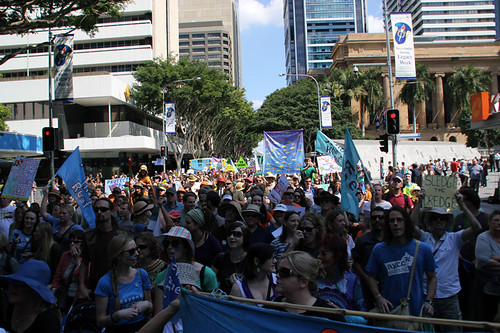
Cairns households are being asked to weigh in on a cluster of ballot measures and policy referendums that, depending on their outcome, could shift the weekly cost of living for residents across the Far North. The measures span local government rating proposals, state-level housing and infrastructure levies, and ongoing consultations tied to Queensland's First Nations treaty process. While some involve direct votes, others are structured as formal public submissions that feed into binding legislative decisions. Either way, the outcomes land on kitchen tables, not just in council chambers.
The timing matters. Queensland families have spent the past two years absorbing back-to-back cost pressures, from energy price movements to insurance premium increases that have hit Cairns and the broader North Queensland market harder than most of the state, given the region's tropical cyclone exposure. Policy analysts who track regional economics note that Far North Queensland households tend to be more sensitive to incremental levy or rate changes than their southeast Queensland counterparts, partly because median incomes in the Cairns region sit below the state average and partly because the local rental market has remained tight.
What each measure could change at the local level
The most immediately tangible proposal for Cairns residents involves Queensland's infrastructure contributions framework, currently under state government review. If the review recommends adjusting developer infrastructure charges, those costs historically flow through to new home buyers and renters over time. Local advocates working in housing affordability have consistently pointed out that Cairns already has a constrained supply of affordable rental stock, and any upward movement in development costs risks compressing that supply further. The government says the review is aimed at making housing delivery more efficient, but the precise dollar effect on new builds in the Cairns local government area will depend on what the final framework requires.
A separate consultation, tied to the Cairns Regional Council's long-term financial plan, is examining whether a special infrastructure levy should apply to properties in newly declared growth corridors on the city's southern and northern fringe. Residents in areas such as the Southern Beaches corridor have been invited to submit feedback before the consultation period closes. The council's financial modelling, released as part of the draft plan documents, sets out a range of scenarios, though the specific levy amounts under each scenario remain subject to change before any formal vote.
The First Nations treaty process and its budget implications
Queensland's path-to-treaty process, which is being managed through the state's Treaty Advancement Committee, carries its own fiscal dimension that affects Cairns directly. The Far North is home to a significant number of the state's traditional owner groups currently engaged in treaty negotiations, and funding allocations for truth-telling processes and local agreement implementation are expected to be outlined in future state budget updates. Community legal services and First Nations organisations in Cairns have noted in public submissions that adequate resourcing of the local process is essential to ensuring meaningful participation, rather than a consultation exercise that places the cost burden on communities themselves.
On the national security and foreign policy front, the Australia-Fiji defence treaty signed this month carries indirect economic implications for Cairns as a Pacific-facing port city. The treaty is expected to deepen defence logistics activity through North Queensland ports and could increase activity at RAAF Base Scherger and Cairns' own maritime facilities. Defence investment of this kind generally supports local employment and procurement, though the specific contract and spending figures flowing to the Cairns economy will only become clear once the implementation agreements are published.
For residents trying to plan household budgets, the practical next step is straightforward. Cairns Regional Council's submission portal for the long-term financial plan consultation remains open, and the state government's infrastructure contributions review is accepting public comment through the Department of Housing and Public Works. The Queensland Treaty Advancement Committee also maintains a public engagement calendar. Each of these processes has a closing date, and decisions made once those dates pass will be considerably harder to influence. Residents with questions about the specific effect on their rates notices or rental costs are encouraged to contact their local councillor or the council's rates information line directly.