policy
Cairns Regional Council's 2026-27 Budget Puts Flood Resilience and Roads at Centre of Local Spending
Community groups and local experts say the council's latest budget prioritises disaster infrastructure but leaves gaps in housing affordability and public transport for outer suburbs.
How we reported this
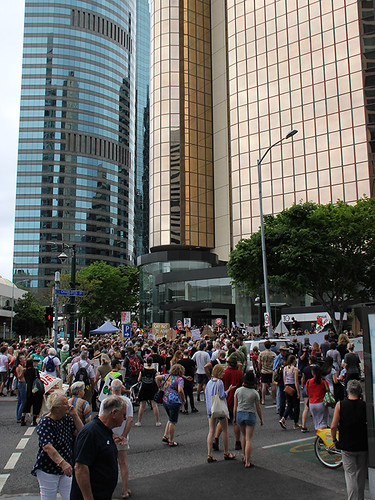
Cairns Regional Council's 2026-27 budget, adopted at the June ordinary meeting, allocates $312 million in capital works spending, with roughly a third directed at flood mitigation, road upgrades and drainage improvements across the local government area. The budget also locks in a 4.8 per cent general rate rise, adding an estimated $87 to the annual bill for the average residential ratepayer. Community organisations and policy watchers say the spending priorities reflect the scarring left by successive wet seasons, but some argue the document does not go far enough on housing pressure or bus services for residents in the northern and southern corridors.
The timing matters. Far North Queensland recorded its third consecutive above-average wet season in 2025-26, and the Insurance Council of Australia's data shows Cairns was among the top ten Australian postcodes for flood-related insurance claims over the past two years. Local government researchers note that councils in disaster-prone regions are under increasing pressure to fund resilience infrastructure from their own rate base, given the gap between what the federal government's Disaster Ready Fund provides and what communities actually need on the ground. The federal fund, capped at $200 million nationally per year from 2023-24, is heavily contested by local governments across Queensland, New South Wales and Victoria simultaneously.
What the Budget Means for Daily Life in Cairns
For residents in low-lying suburbs such as Portsmith, Woree and Gordonvale, the drainage upgrades are the most tangible change. Council documents earmark $48 million for stormwater infrastructure in those catchments over the next three years, with the first $14 million scheduled for the 2026-27 financial year. Community advocates in Gordonvale have been pushing for improved table drain maintenance since a 2023 inundation damaged more than 60 properties on the floodplain south of the Bruce Highway. The budget, advocates say, is an acknowledgement that the problem is structural rather than seasonal.
The rate rise is drawing more mixed reactions. Community legal centres that work with low-income renters note that landlords typically pass rate increases through to tenants within one or two lease cycles, adding to housing cost pressure in a city where the median weekly rent for a three-bedroom house reached $520 in the March 2026 quarter, according to the Real Estate Institute of Queensland's latest data. Council's hardship assistance scheme, which waived or deferred rates for around 1,200 eligible households in 2025-26, has been retained in the new budget, though the income threshold for eligibility has not been adjusted for inflation since 2022. Local welfare workers say that gap is increasingly leaving working families just above the cutoff but still struggling with rising costs.
Transport and Housing Gaps Draw Community Criticism
The budget's treatment of public transport is limited by jurisdiction. Translink, the Queensland Government agency, controls bus frequency and funding, so council's direct levers are confined to stops, shelters and path connections. Even so, some community voices argue the council could do more through land use planning to reduce car dependence. The council's draft Local Government Infrastructure Plan, currently under public consultation until 31 July 2026, proposes higher-density zoning around the Cairns CBD and the Earlville activity centre, which urban planners say is expected to reduce per-household infrastructure costs over time if density targets are met.
On First Nations housing and services, council documents reference partnerships with the Queensland Government's Thriving Queensland Kids Partnership and continued funding for the Cairns Indigenous Art Fair, but community sector organisations say dedicated Aboriginal and Torres Strait Islander housing programs remain underfunded relative to need in areas such as Manoora and Manunda, where overcrowding rates are well above the Queensland average according to the 2021 Census.
The next formal checkpoint is the September quarterly budget review, when council officers are required to report any material variances against the adopted capital works program. Residents can make submissions to the Local Government Infrastructure Plan consultation through the council's online portal before the 31 July deadline. Policy analysts say that consultation period is effectively the most direct opportunity for Cairns residents to shape how growth and infrastructure spending is distributed across the region over the next decade.