Politics
Cairns voters head to polls with cost of living and reef jobs at centre of local race
As candidates campaign across the far north, community leaders say the election will turn on who can deliver on water security, tourism recovery, and support for Pacific Islander residents.
How we reported this
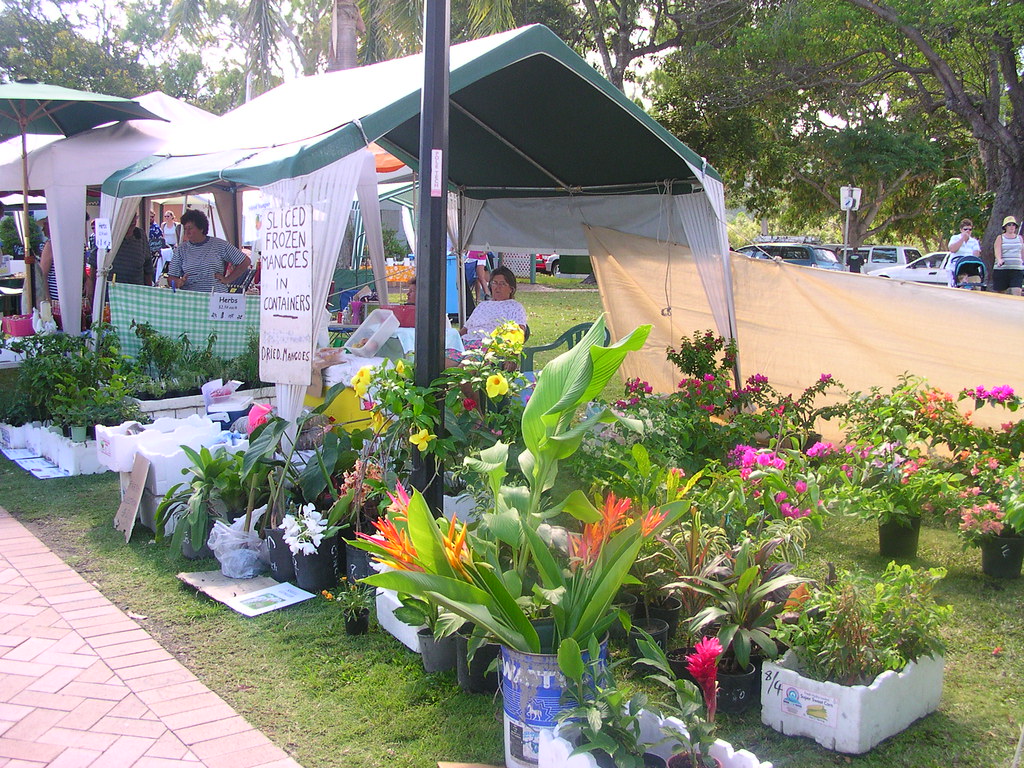
The Cairns electorate is shaping up as one of Queensland's tightest contests this cycle, with local voices telling reporters that voters care far less about state-level posturing than they do about the price of a carton of milk, the state of the reef, and whether tourism jobs will come back.
Candidates from Labor, the LNP, and the Greens are competing across a seat that covers Cairns city and surrounding communities including Palm Cove, Kuranda, and the Tablelands. The seat has swung between parties in recent elections. Local community groups, business associations, and First Nations leaders say this campaign will hinge on bread-and-butter issues that directly affect household budgets and employment in North Queensland.
What's driving voter attention
Water security tops the list of concerns for agricultural producers and residential users across the region. The Ross River Dam, which supplies around 70 percent of Cairns' drinking water, has operated below full capacity during dry periods in recent years. Cane farmers in the Tableland communities around Atherton and Herberton say they need clarity on irrigation access and climate adaptation funding before they decide which candidate to back.
Tourism operators are another vocal constituency. The Great Barrier Reef tourism industry employs around 8,000 people in the Cairns region according to Queensland government figures, and recovery has been slower than expected since pandemic disruptions. Local dive operators and hotel managers tell reporters they want candidates to commit to reef protection policies that don't stranglehold small business. Several reef tour operators said they are waiting to see what each party promises on combined environmental standards and industry support before endorsing candidates.
Cost of living pressures are acute in Cairns. Rental vacancy rates have tightened, and median rent for a three-bedroom house has climbed to around $480 per week according to recent real estate data. Residents on fixed incomes and service sector workers are pushing candidates to explain how they will address housing affordability and wage stagnation.
First Nations voices and Pacific Islander community
First Nations leaders in the Cairns area have flagged the Queensland treaty-making process as a key election issue. Candidates are being asked directly whether they will commit to funding for Indigenous-led land and sea management programs, and support for First Nations youth employment in tourism and conservation work.
The Pacific Islander community in Cairns, which numbers several thousand residents, has told local media that migration policy and support for community services matter to how they vote. Workers from Samoa, Tonga, Fiji, and Vanuatu make up a significant portion of the hospitality and aged care workforce. Community leaders said they expect candidates to address visa pathways, language services in schools and hospitals, and support for community cultural centres.
All major party candidates have scheduled community forums across the electorate before the election date. Labor is expected to lean on reef protection credentials and existing water infrastructure funding. The LNP is emphasising cost of living and business confidence. The Greens are targeting disaffected Labor voters concerned about climate action pace. None of the three major camps has yet released detailed local policy costing documents, though party campaign teams say these will arrive in coming weeks.
Cairns residents will cast votes knowing the seat remains genuinely competitive and that local voices-from reef workers to farmers to renters-have real leverage to shape candidate platforms before polling day.