Politics
Federal Election Nears: Cairns Residents Face Long Wait for Major Policy Payoffs
Key infrastructure and climate promises may take years to reach the far north, local advocates warn.
How we reported this
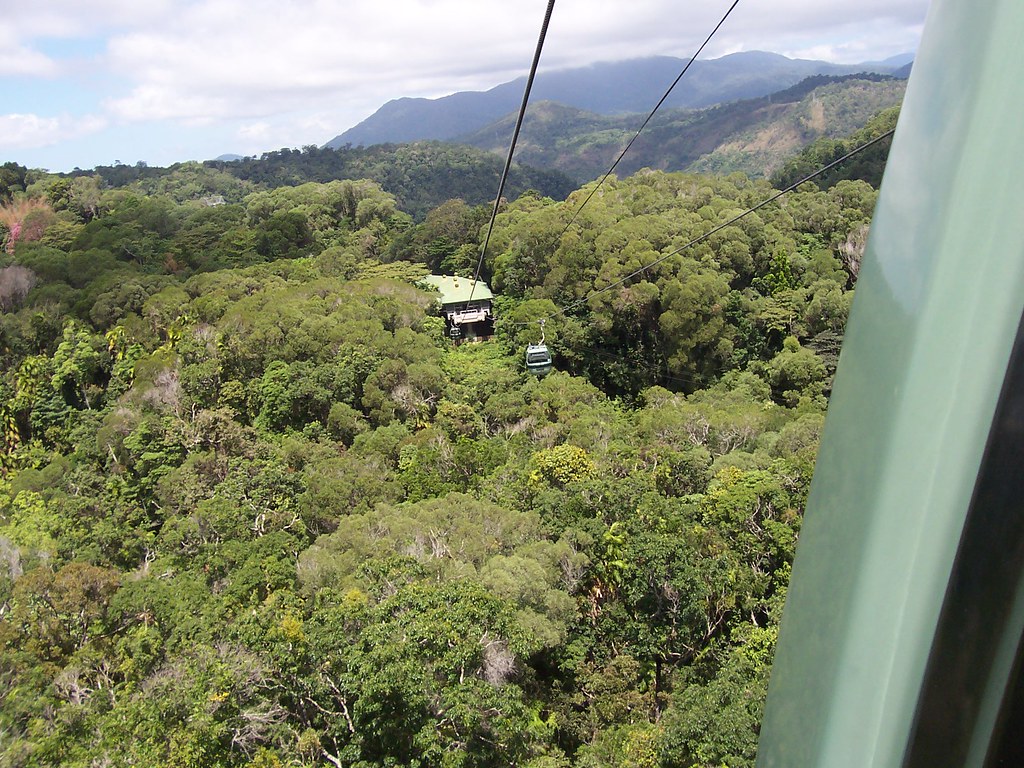
Cairns residents will have to wait until at least late 2027 before major election pledges on flood resilience and reef funding start to take effect, according to the legislated timelines of both major parties' policy platforms. With the federal election expected within weeks, the region's vulnerability to cyclones and its reliance on Great Barrier Reef tourism mean the gap between announcement and delivery is unusually stark for north Queensland.
Why the delay matters for Cairns now
The urgency stems from back-to-back wet seasons that have left parts of the Cairns Regional Council area without completed levee upgrades. The Australian Local Government Association notes that 63 per cent of disaster mitigation projects in far north Queensland are still in the design phase, despite $200 million allocated under the federal Disaster Ready Fund since 2023. For residents in Edmonton and Gordonvale-who faced 1.5-metre floodwaters in February 2025-the next federal budget will determine whether those designs become concrete.
On the reef front, the government's own Reef 2050 Long-Term Sustainability Plan, updated in March 2026, projects that water quality targets for sediment and pesticide runoff will not be met until 2030 at current funding levels. The plan states that the $1.2 billion Reef Trust Partnership has disbursed only $340 million to date, with most projects focused on catchments south of Cairns. Local tourism operators say the gap between promise and delivery risks visitor confidence. Tourism Tropical North Queensland has reported that 41 per cent of international visitors cite reef health as a factor in choosing alternative destinations.
What the timelines actually look like for locals
Under the current funding schedule, the Mulgrave River flood mitigation study-initiated in 2024-is not due for completion until December 2027. The project's scope includes a new levee for Gordonvale and improved drainage for the Bruce Highway corridor, but council engineers told a public meeting last month that construction would not start before 2028. Meanwhile, the Great Barrier Reef Marine Park Authority's latest five-year outlook, released in May 2026, warns that without immediate reductions in nitrogen runoff, coral cover in the northern section could drop by 12 per cent by 2030.
Agricultural policy also carries a delayed timeline. The government's National Water Grid Authority has allocated $15 million for a feasibility study into recycled water for the Atherton Tablelands, but the authority's own documents state the study will run until mid-2028. For cane farmers in the Russell River catchment, that means continued reliance on existing irrigation licences, which the Queensland Department of Natural Resources says are already 84 per cent allocated.
Policy analysts from the Australia Institute have pointed out that election cycles rarely align with project delivery. In a June 2026 briefing note, the institute highlighted that the average infrastructure project in northern Australia takes 7.2 years from announcement to completion, based on Productivity Commission data. For Cairns, that means promises made in this campaign will largely benefit the next parliament, not this one.
What happens next depends on which party forms government and whether the incoming administration revises the timeline. The Senate estimates process, scheduled for October 2026, will be the first chance for crossbenchers to scrutinise spending commitments. For residents waiting on flood levees, a cleaner reef and secure water, the answer is clear: the wait is only beginning.