Politics
Queensland’s Transport Infrastructure Plan Reviewed: What Cairns Residents Should Expect
The state government’s updated transport policy promises targeted funding for Cairns roads and public transit, with a focus on connectivity and climate resilience.
How we reported this
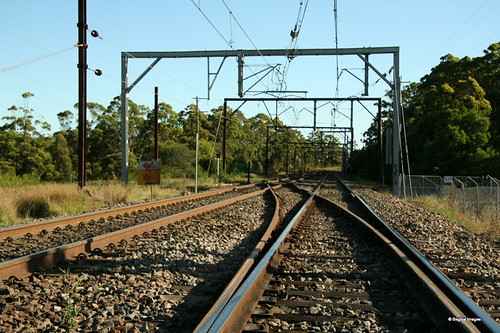
The Queensland government has released its latest review of the statewide transport infrastructure plan, outlining specific implications for Cairns and the surrounding northern region. The policy update allocates $280 million over the next four years to road upgrades, public transport enhancements, and flood resilience projects within the Cairns local government area. These investments are designed to support commuter needs, tourism flows, and disaster preparedness in a region frequently impacted by severe weather events.
The review comes at a critical time as Cairns contends with population growth, increased demand on transport networks, and climate-related disruptions that have previously caused prolonged road closures and public transport delays. The policy document notes that improving regional connectivity and reducing congestion are priorities to sustain economic activities including tourism and agriculture, alongside community access to essential services.
What Cairns Residents Will Experience
For Cairns residents, the plan means several targeted projects within a 12-month rollout window. Key initiatives include upgrading the Captain Cook Highway between Smithfield and Port Douglas, with an expected $60 million investment to widen lanes and improve cycling paths. This upgrade aims to ease commuter traffic and provide safer options for cyclists and pedestrians, given the highway’s heavy use by locals and tourists alike.
Public transport funding is set to increase by $45 million, supporting an expansion of bus routes connecting suburbs such as Manunda and White Rock to the central city. The policy also projects an increase in service frequency to reduce wait times during peak hours. Local advocates have highlighted that these improvements will be crucial for workers reliant on public transport, especially in hospitality and retail sectors prevalent in Cairns.
Data Points and Projected Outcomes
The Queensland Treasury’s budget papers for 2026-27 confirm the $280 million allocation to Cairns transport projects falls under the broader $3.1 billion regional infrastructure program. According to the government’s economic assessment, the road upgrades and transit enhancements are expected to reduce average commute times by up to 15 percent within two years. Furthermore, flood resilience works are anticipated to reduce disruption risks for over 20,000 residents who live in cyclone-prone areas near Barron River.
These interventions align with findings from the Productivity Commission that highlight transport bottlenecks as a significant constraint on regional economic growth. Local tourism bodies have also welcomed the emphasis on infrastructure that supports visitor access to the Great Barrier Reef gateway, which generates approximately 7,500 full-time jobs across Cairns.
Implementation of these projects will begin in the coming months with consultation sessions planned for community members, ensuring residents can provide feedback on construction timelines and service changes. The government says it will monitor outcomes through annual reports assessing travel times, safety improvements, and environmental impact.