Politics
Zoning and Development Rule Changes Affect Cairns Residents’ Housing and Local Business Options
Revised zoning policies in Cairns will alter residential density and commercial land use, impacting who can access affordable homes and business sites in the region.
How we reported this
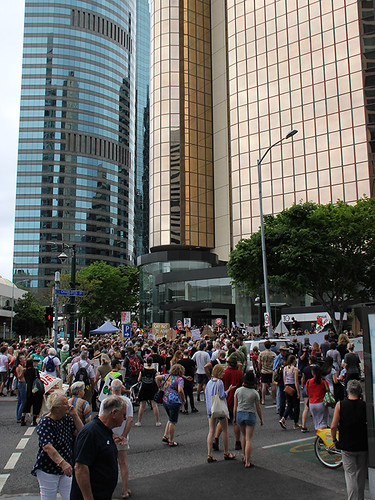
The Cairns region is undergoing updates to its zoning and development regulations that will affect local residents by reshaping where housing and commercial developments can occur. These changes, announced as part of a broader state initiative on regional planning, aim to support infrastructure capacities and environmental protections while responding to growth pressures in North Queensland.
As the Cairns area continues to attract population growth and tourism, revising zoning rules becomes critical to managing urban expansion without overburdening existing services. Recent severe weather events have underscored the need to balance development with resilience, while ongoing discussions about preserving the Great Barrier Reef and cultural sites also require careful land use oversight.
Implications for Housing and Business Access
The zoning update is expected to modify residential density allowances, particularly in outer suburbs and peri-urban areas surrounding Cairns city. Residents in these areas may notice an increase in permitted housing types, such as townhouses and low-rise apartments, intended to expand affordable housing options. However, some existing low-density neighbourhoods might see restrictions to preserve character or environmental values, impacting development potential.
For local businesses, changes include adjustments to commercial zone boundaries and allowable land uses. This means small enterprises could find new opportunities in mixed-use zones but might also face limitations in industrial or specialized commercial zones shifting closer to environmental or tourist precincts. These zoning shifts aim to cluster compatible land uses while reducing conflicts such as noise or heavy vehicle traffic in residential areas.
What This Means Going Forward
While no specific Australian Bureau of Statistics data or budget figures have been provided to quantify the changes’ scale, the government states the policy will support sustainable growth aligned with infrastructure readiness and environmental safeguards. The Cairns Regional Council will be responsible for implementing these rules through local planning schemes, with residents and developers expected to engage in consultation phases.
For Cairns households, this policy could mean more housing choices but also new considerations around where development occurs within their communities. Local business owners might see fresh opportunities depending on sector and location but will need to monitor zoning classifications closely before expansion plans. Overall, how these zoning rule changes unfold will have direct implications on affordability, accessibility, and the character of Cairns’ neighbourhoods and commercial districts in the coming years.