Politics
New Environmental Regulations Tighten in Cairns: What Residents Should Expect
Updated policies on environmental protections will shift operations in Cairns’ tourism, agriculture, and infrastructure sectors, affecting local jobs and services.
How we reported this
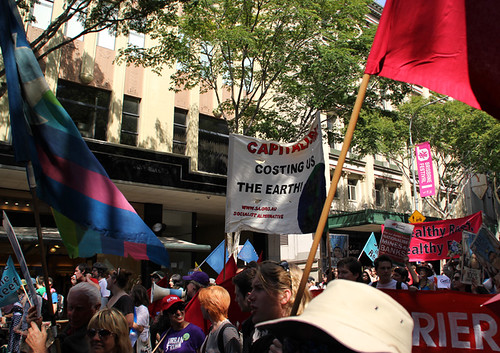
New environmental regulations introduced across Queensland are set to impact Cairns directly, particularly affecting industries linked to the Great Barrier Reef, local agriculture, and urban development. These changes include stricter water quality controls, enhanced protections for reef zones, and updated requirements for land use planning within the Cairns region.
Experts note that the timing of these policy changes corresponds with a continued focus on preserving the Great Barrier Reef amid recurring coral bleaching and water pollution concerns. The Queensland government cites scientific reports linking local runoff and coastal development as significant factors in reef health decline. In addition, recent climate resilience programs and federal disaster relief funding have underscored the need for sustainable environmental practices in northern Queensland.
Impact on Cairns Residents and Key Industries
For residents, the regulations translate into shifts in several areas. Tourism operators along the Cairns coast will face enhanced compliance requirements, including stricter waste management protocols and limits on certain marine activities designed to reduce reef damage. Agricultural producers surrounding Cairns will need to adopt new land management techniques aimed at reducing sediment and nutrient runoff into waterways. This includes potential constraints on fertiliser use and livestock grazing near environmentally sensitive areas.
Infrastructure projects within the Cairns urban area will also require updated environmental impact assessments with a greater emphasis on flood and cyclone resilience. Local contractors and builders may encounter extended approval timelines but will benefit from clearer guidelines intended to lower environmental risk.
Comparisons and Data on Environmental Compliance
Compared to other Queensland regions such as the Sunshine Coast and Townsville, Cairns is subject to more stringent environmental standards primarily due to its proximity to the reef and its role in Queensland’s tourism economy. The 2026 Queensland Environmental Protection Schedule notes Cairns must meet a target reduction in coastal water pollutants by 30 per cent by 2030, a higher benchmark than more inland locations.
A 2025 state budget allocation of $125 million specifically earmarked for reef protection projects includes funding for local water treatment upgrades in Cairns, alongside community education programs on sustainable practices. The government says this funding aims to balance environmental priorities with economic growth and resilience planning.
Local environmental groups have highlighted that compliance costs could lead to adjustments in seasonal employment patterns within tourism and farming sectors. However, the policy documents stress that investments in mitigation measures are projected to reduce long-term environmental damage and associated economic losses due to degraded reef health and extreme weather events.
Next Steps and Community Engagement
The state government plans to consult Cairns residents and industry stakeholders through a series of forums starting this September, aiming to ensure smooth implementation of the new rules. Monitoring reports on water quality and reef health indicators will be published annually and made accessible to the public.
Compliance frameworks are expected to be phased in gradually over the next four years, with interim milestones and support programs for affected businesses and landowners. Cairns residents can anticipate ongoing updates from local councils and environmental agencies detailing how specific regulations will apply at the community level.