Politics
New Local Planning Measures Aim to Ease Cost-of-Living Pressures for Cairns Households
Recent changes in Cairns City Council's local planning policies are designed to reduce housing and development costs, potentially lowering household expenses in the region.
How we reported this
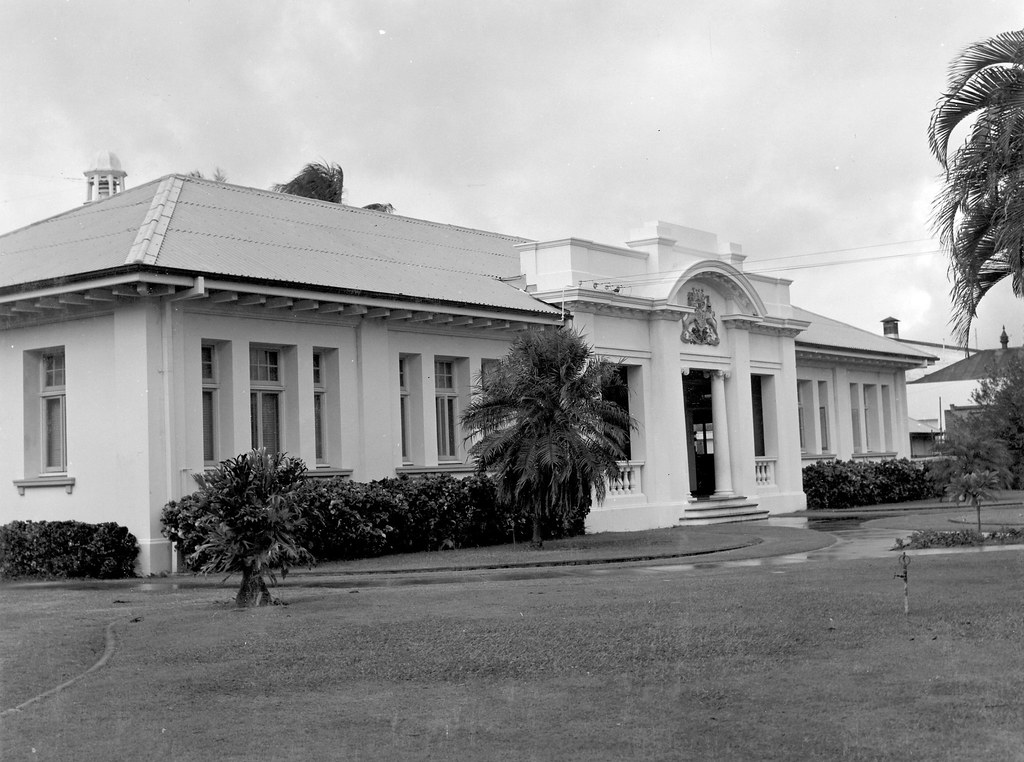
Cairns City Council has implemented new local planning measures targeting affordability and cost savings for residents facing rising living expenses. The updated policies revise development approval processes and include incentives for affordable housing projects within the Cairns local government area. These measures primarily affect homeowners, renters, and developers involved in residential construction and renovations.
The timing of these changes coincides with broader economic pressures marked by inflation and growing household budget constraints across Queensland. Cairns residents have been reporting increased costs in utilities, food, and housing, driving a greater need for strategies that address affordability on multiple fronts. Local planning decisions, which influence property development and infrastructure costs, are now considered a key lever to ease these pressures.
Reducing Costs in Development and Housing Supply
The updated planning scheme aims to shorten approval times and reduce red tape for developments classified as affordable housing. This is expected to decrease construction costs that developers may pass onto buyers or tenants. For example, the streamlined approval process targets a reduction in waiting periods from an average of 90 days to 60 days, according to the council’s latest public briefing paper from June 2026.
In practical terms for Cairns residents, these reforms mean potential growth in lower-cost housing options in suburbs such as Earlville and Manunda, where affordable housing projects are prioritised. The policy also encourages higher density developments close to public transport hubs, which may lower commuting costs by enhancing accessibility for workers in those areas.
Evidence and Expected Results
The Queensland Department of State Development’s 2025 housing cost report highlighted that Cairns’ median rent increased by 12 per cent between 2023 and 2025, partially driven by limited affordable supply and extended planning delays. The new local planning regulations aim to tackle these issues, with projections estimating a 5 per cent increase in affordable housing stock over the next two years.
The council’s 2026-27 budget allocates $3.5 million towards upgrading planning department resources to support faster approvals and community consultation. Additionally, partnerships with non-profit housing providers receive $1.2 million to develop projects that comply with the new affordable housing criteria set out in the revised scheme.
Local advocacy groups note that while these planning changes do not directly reduce utility or grocery costs, increasing affordable housing supply can improve household budget flexibility by lowering rent or mortgage expenses over time.
Going forward, Cairns City Council will monitor the policy’s impact through quarterly development activity reports and community feedback sessions scheduled for the latter half of 2026. The effectiveness of these measures in reducing cost-of-living pressures depends on ongoing cooperation between developers, housing providers, and local authorities.
Residents interested in current affordable housing opportunities or planning consultation processes can access information on the Cairns City Council website or attend upcoming public briefings. The council states the policy changes will continue to adapt in response to Cairns’ evolving economic and social landscape.