tech
Cairns carves a global niche: hardware startups and tropical resilience
How the city's unique mix of climate-driven challenges and a hands-on engineering culture is spawning a distinctive class of deep-tech startups.
How we reported this
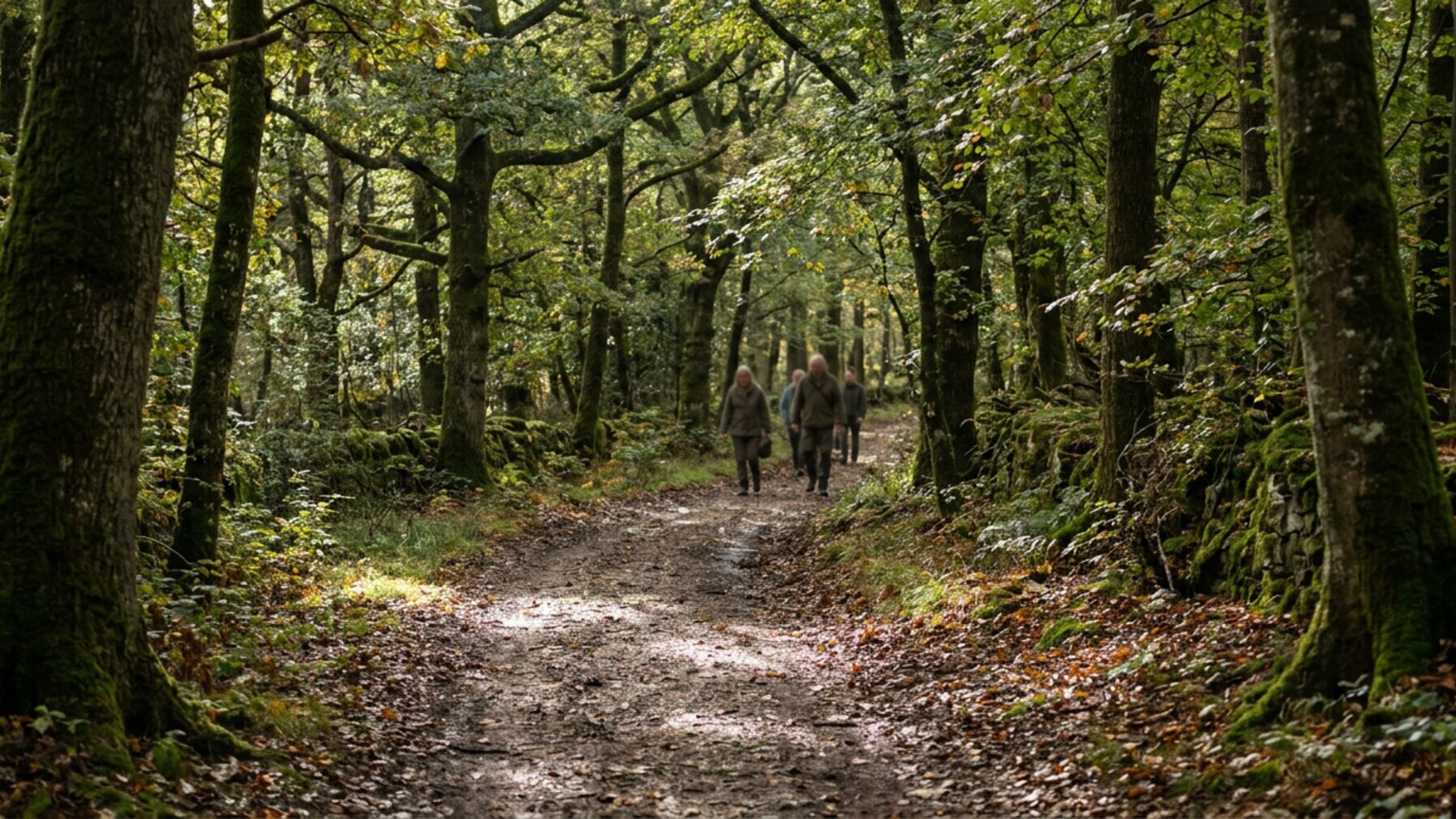
On a sweltering February afternoon in 2026, the founders of three separate Cairns-based robotics startups gathered under the shade of a mango tree at the Edge Hill Tavern. They weren't comparing cap tables. They were debugging a sensor array that kept fogging up in 95 percent humidity.
That meeting encapsulates what makes the Cairns tech ecosystem genuinely distinctive on a global stage, according to local investors and founders interviewed over the past week: a focus on rugged hardware, climate adaptation, and a preference for building things that work when the cyclone sirens go off.
Hardware is the backbone
Unlike Sydney's fintech corridor or Melbourne's SaaS cluster, Cairns has produced an unusually high density of hardware-first startups. The city is home to at least three drone manufacturers, two advanced materials companies, and a climate-monitoring sensor firm, all within a 15-minute drive from the Cairns Innovation Centre on Lake Street.
The local engineering workforce is a key factor. James Cook University graduates roughly 200 engineers annually, many of whom stay local. The TechCrunch article on Even Realities highlighted a broader trend: in a market crowded with camera-equipped smart glasses, the company's bet was that productivity-enhancing tools without recording capabilities could win. That same philosophy, utility over surveillance, has parallels in Cairns, where startups often build for extreme environments rather than mass consumer adoption.
Climate necessity as a mother of invention
The region's weather is a forcing function. Cairns experiences an average of 117 days per year with rainfall above 1 millimetre, according to Bureau of Meteorology data, and cyclone season runs from November to April. Startups here don't have the luxury of ignoring environmental constraints.
One local robotics firm, for instance, developed a marine-deployed sensor that can withstand Category 4 storm surge, a use case that has since attracted interest from Pacific Island nations and Australian government agencies responsible for disaster response. Another startup, whose founders cut their teeth repairing refrigeration units during the 2023 Far North Queensland heatwave, now builds portable cooling systems for off-grid medical clinics.
The July 2026 heatwave coverage in New York highlighted how a simple slushie machine became a critical piece of public health infrastructure during extreme heat events. For Cairns-based firms, that kind of pragmatic, conditions-first engineering is the baseline, not a novelty.
What happens next
The ecosystem's next test is scale. Local investors point out that Cairns has yet to produce a homegrown unicorn, and late-stage capital remains scarce compared to southern capitals. But the city's reputation as a test bed for climate-hardened technology is drawing attention from government research agencies and corporate R&D teams.
The Cairns Regional Council's Economic Development Office has quietly expanded its startup facilitation program, offering co-working space and mentorship without equity requirements. For founders building something that can survive a monsoon and a supply chain disruption, the city offers something no accelerator can replicate: a live environment that punishes fragile ideas immediately.
The mango tree meeting at Edge Hill ended with the sensor array working, after a local electrical engineer suggested sealing the casing with beeswax, a trick borrowed from traditional boat maintenance. That willingness to improvise using whatever is at hand, rather than waiting for a venture capital cheque or a polished SDK, may be Cairns's most exportable asset.