Technology
Cairns' unusual strength in cybersecurity: geography, climate, and a digital-first ecosystem
The city's unique mix of tropical climate, remote location, and tech-forward economy creates a distinctive, and demanding, threat profile that security firms and startups are racing to address.
How we reported this
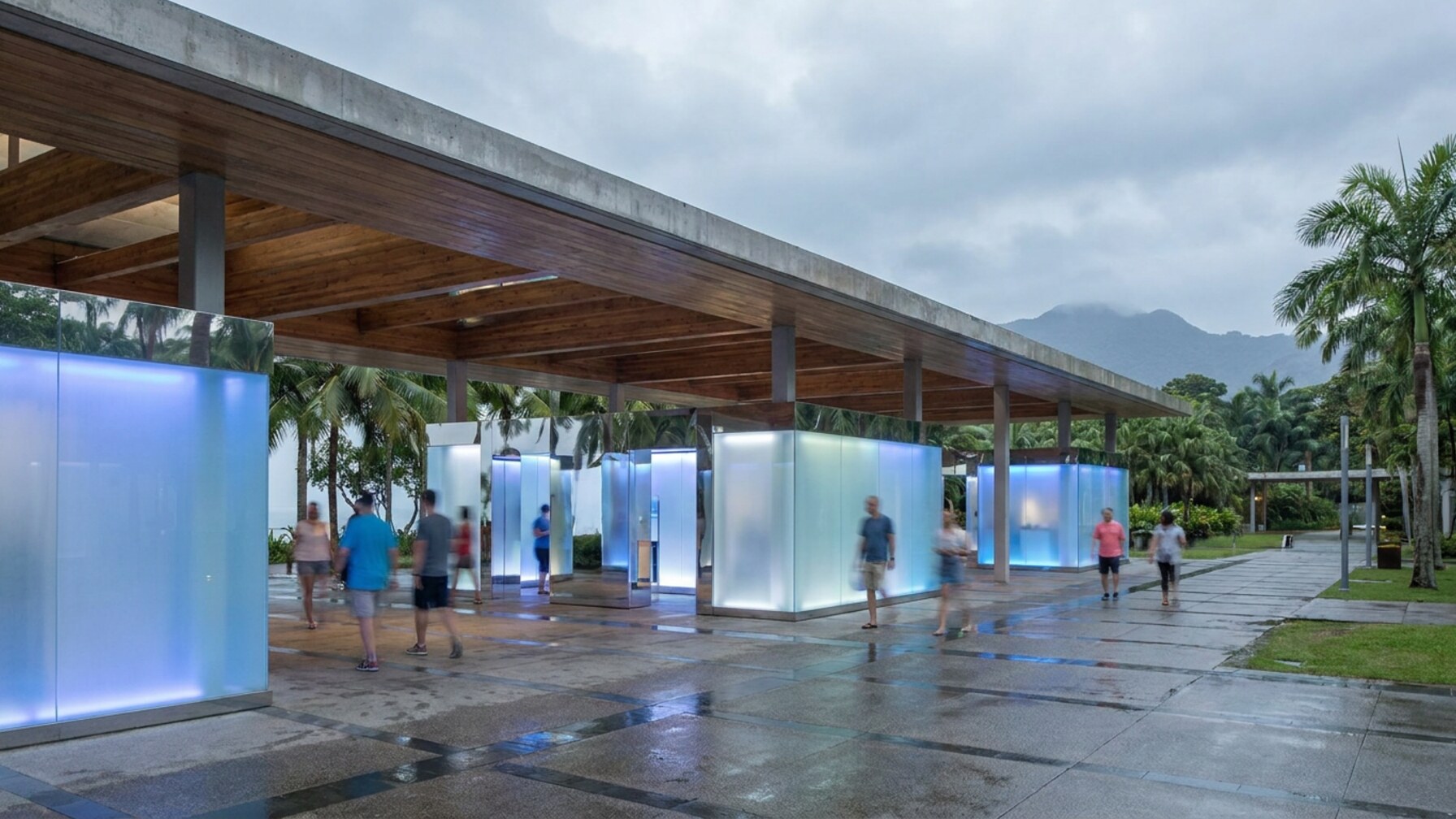
CAIRNS, The same geography that draws tourists to the Great Barrier Reef also makes this city a global outlier in cybersecurity, and local tech leaders say that's forcing a new playbook for defending digital assets.
With a population approaching 170,000 and a tech sector that has grown roughly 25% since 2020, Cairns faces a threat landscape shaped by three factors few other cities combine: extreme weather that can knock out power and connectivity, a remote supply chain that leaves businesses dependent on a handful of internet gateways, and a tourism-and-hospitality economy that processes millions of credit card transactions each year.
“We have to defend against everything from ransomware to cyclone-induced data-centre failures, often with smaller teams than a Sydney or Melbourne firm would have,” said a senior engineer at Tropical Cyber, a local security consultancy that operates from a co-working space in the CBD. The engineer spoke on condition of anonymity because they were not authorised to discuss clients.
A threat model like few others
Cybersecurity awareness campaigns in Cairns don't look like those in temperate capitals. The city's critical infrastructure, including the Cairns Hospital, Cairns Airport, and the port, relies on undersea cables that can be severed by anchor drag during storms. In December 2024, Cyclone Jasper disrupted internet access for more than 12 hours across large parts of the city, exposing how fragile the digital backbone can be.
That event accelerated interest in offline data backups and decentralised cloud architectures. A local working group, the Far North Queensland Cyber Resilience Network, now meets monthly at the Cairns Innovation Centre on Lake Street. The group includes representatives from James Cook University, the Cairns Regional Council, and about 30 small and medium businesses. One of its founding members, a former Telstra network architect, has pushed for a regional “dark fibre” ring, a dedicated, physically separate fibre network, to provide redundancy. Construction has not begun, but a feasibility study was completed in January 2025.
Another wrinkle: the hospitality sector's heavy reliance on Internet of Things devices. Many hotels on the Esplanade and in the northern beaches use smart locks, automated housekeeping systems and cloud-based booking platforms, each a potential entry point. A 2024 audit by the Australian Cyber Security Centre found that hospitality businesses nationally reported a 40% increase in attempted intrusions compared with the previous year.
Building a defence from the ground up
Several startups have emerged to tackle the specific challenges of a tropical tech ecosystem. One, based in a converted warehouse in Portsmith, has developed a “resilience-as-a-service” platform that automatically switches workloads between cloud regions when a weather alert is issued. The company declined to name its clients, but its founder said three Cairns-based hotel chains have signed on since March 2025.
What makes Cairns' approach distinctive globally, according to the working group, is the emphasis on physical-digital convergence. A typical awareness campaign here might include a simulation where a mock flood forces a shift to paper-based record-keeping, something unthinkable in most other markets.
For residents, the advice is becoming more concrete: update passwords, enable multifactor authentication, keep offline backups of critical files, and know which local businesses have a backup power plan that includes working routers. The council's website now hosts a “Digital Emergency Kit” checklist, updated every quarter.
No single silver bullet will fix the vulnerability. But the city's tech community is betting that its willingness to adapt to extreme conditions, honed by years of cyclone drills and supply-chain ingenuity, will prove to be an exportable asset. The next test may come with the 2026-27 wet season, forecast to bring above-average rainfall. The Cyber Resilience Network is already planning a tabletop exercise for November, focused on a simultaneous cyber attack and weather emergency. Invitations went out last week.