community
Cairns Hits Peak Season: How to Tackle the Top Outdoor Adventures
With humidity at its lowest and the weather crisp, July provides the perfect window for the region's premier land, air, and water activities.
How we reported this
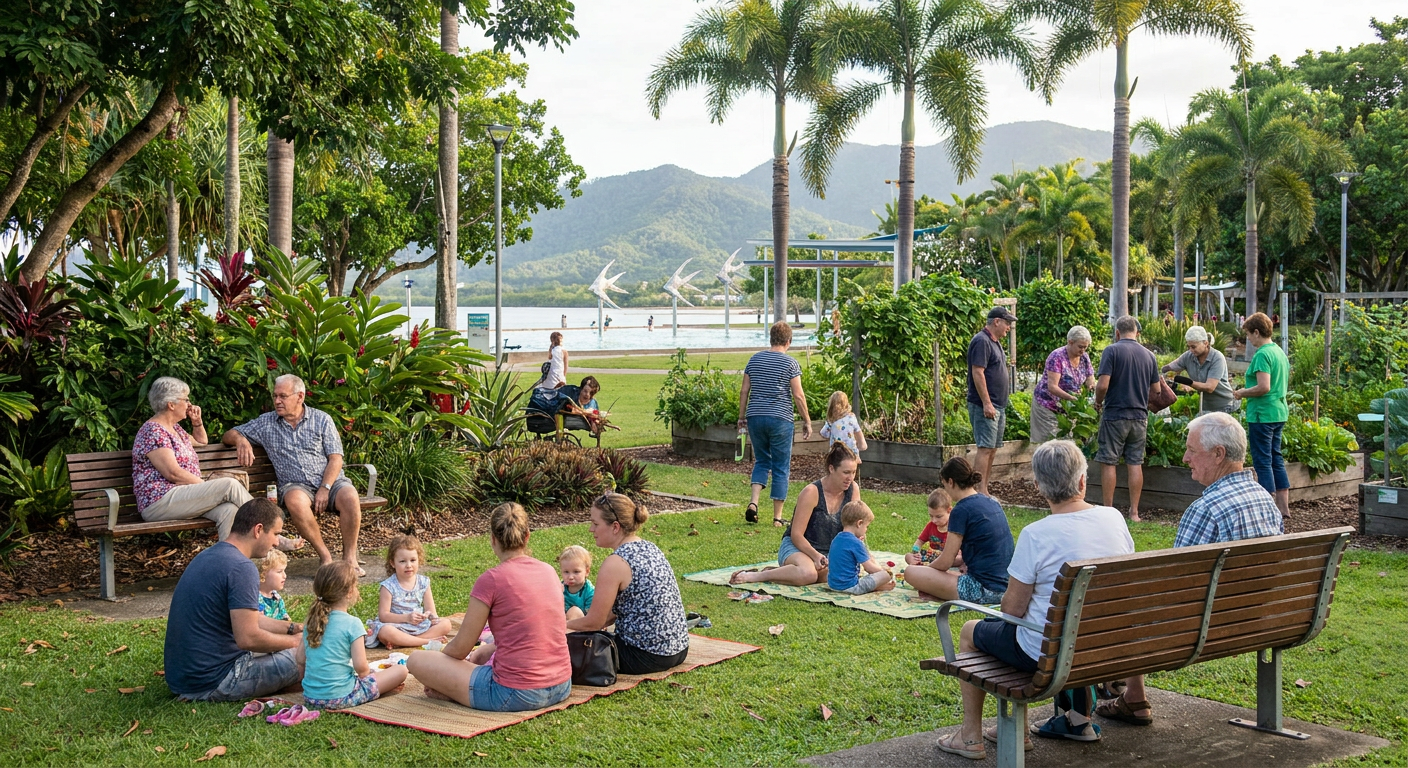
Cairns is currently experiencing the height of its dry season, providing an optimal window for outdoor exploration. Running from June through August, this period features manageable temperatures ranging between 17°C and 26°C and minimal rainfall, according to data from travellingking.com. As a major gateway to two side-by-side UNESCO World Heritage sites, the region offers immediate access to the Great Barrier Reef and the Wet Tropics Rainforest, both of which serve as the foundation for the area’s outdoor sector.
Adrenaline and Alpine Escapes
For those seeking high-intensity activities, the region provides a variety of options within a short commute from the city center. White-water rafting on the Barron River, ziplining through rainforest canopies, and canyoning at Behana remain popular choices, with tours operating year-round based on weather conditions, as noted by coffeeincairns.com.au. Thrill-seekers can also access bungy jumping at Australia’s only bungy tower or go skydiving from 8,000 feet over Mission Beach or the reef, with these facilities located just 10-20 minutes north of the city, per bushwalkingblog.com.au.
Hikers and wilderness enthusiasts are well-catered for through more rugged terrain. Mount Bartle Frere, standing at over 5,000 feet as Queensland’s highest peak, and the Thorsborne Trail on Hinchinbrook Island offer multi-day wilderness adventures, according to virginaustralia.com.au. These sites are accessible either as day trips or as part of extended excursions for those looking to traverse deeper into the state's backcountry.
Waterways and Seasonal Practicalities
Cairns’ proximity to natural pools allows for accessible, free outdoor recreation. Sites including Crystal Cascades, Babinda Boulders, Fairy Falls, and Stoney Creek are located within a 25-30 minute drive of the CBD, offering clear water for swimming and snorkeling, as reported by bushwalkingblog.com.au. While these spots provide year-round engagement, the current dry season also facilitates specific marine activities like whale watching and swimming with dwarf minke whales.
Travelers planning to participate in specialized marine encounters-particularly whale watching sessions in July-are advised to book reef tours and associated activities 2-4 weeks in advance to manage peak season demand, according to travellingking.com. While the dry season is ideal for these coastal and reef experiences, those interested in the lush, high-waterfall conditions of the Daintree Rainforest and Cape Tribulation should look toward the wet season, which runs from November through April, when the landscape reaches its peak vegetation density.