wellness
Beyond the Esplanade: The Hidden Nature Walks Locals Love But Tourists Miss
While visitors queue for reef boats at the Cairns marina, residents are quietly clocking kilometres on trails that don't appear in any brochure rack.
How we reported this
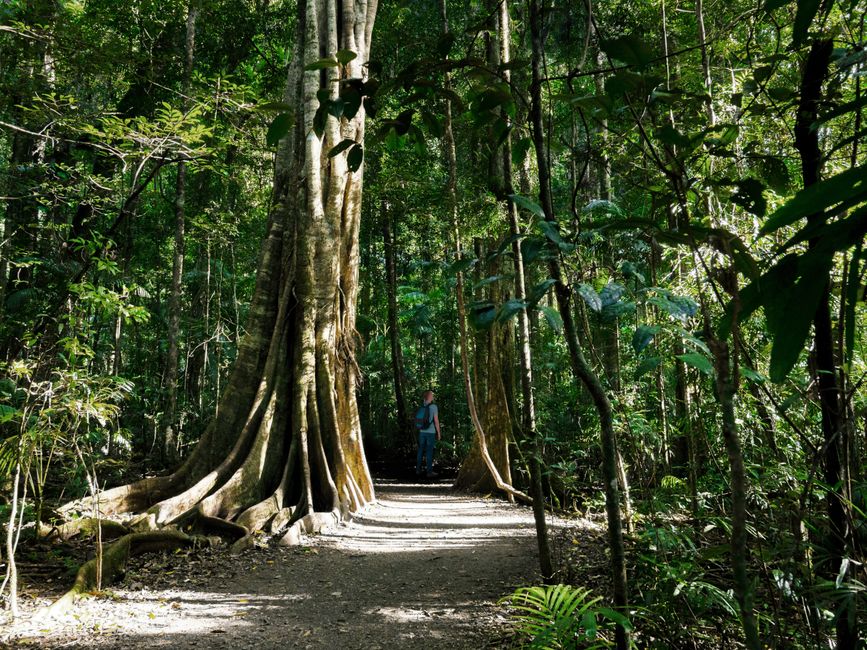
The most-used fitness trail in Cairns isn't the Esplanade Lagoon boardwalk. Ask the regulars, the ones out at 6am on a Tuesday, and they'll point you toward streets and reserves that rarely make it onto any tourism map. Cairns has a network of accessible, genuinely rewarding outdoor fitness spots that the city's own residents have claimed as their own, and the wellness dividend is substantial.
That matters right now. With property prices cooling and household budgets tightening across North Queensland, free outdoor exercise has become less of a lifestyle choice and more of a financial calculation for many families. The Cairns Regional Council maintains more than 240 hectares of parkland within the urban boundary, and health practitioners at Cairns Base Hospital have for several years flagged physical inactivity as a contributing factor in the region's rates of type-2 diabetes and cardiovascular disease, conditions that track higher in Far North Queensland than the national average.
The Locals' Circuit Nobody Advertises
Collins Avenue in Edge Hill is where serious walkers start. The road runs directly into the Cairns Botanic Gardens, which cover 38 hectares and connect, via a signed boardwalk, through to the Centenary Lakes and the Mount Whitfield Conservation Park trail network. Most tourists stop at the gardens' visitor centre, photograph a cassowary warning sign, and leave. Locals keep walking. The Red Arrow and Blue Arrow trails through Mount Whitfield climb through dense wet sclerophyll forest to ridge-line lookouts over Trinity Inlet. The Blue Arrow loop is 4.8 kilometres return with 220 metres of elevation gain, enough to register as a legitimate cardiovascular workout, nothing that requires technical gear.
Further north, Holloways Beach residents have been quietly using the foreshore trail between Yorkeys Knob Road and the Holloways Beach Environmental Reserve for morning runs for years. The reserve protects littoral rainforest, a rarer ecosystem than the reef in terms of remaining coverage, and the flat, shaded 2.3-kilometre stretch is genuinely suitable for people returning to exercise after injury or illness. The Cairns Regional Council resurfaced the main access path in late 2024 as part of a $1.2 million active transport improvement package across six northern suburbs.
Barron Gorge National Park, accessible from Kuranda via a sealed car park off Kennedy Highway, offers the Barron Falls lookout walk, just 600 metres each way, but hikers who continue past the main viewing platform onto the lesser-signed gorge rim track find themselves entirely alone within ten minutes of leaving the car. The full gorge rim circuit takes around two hours and Queensland Parks and Wildlife Service rates it as grade 3 under the Australian Walking Track Grading System.
What the Evidence Says About Green Exercise
Research published in the International Journal of Environmental Research and Public Health found that participants who exercised in natural environments reported meaningfully higher improvements in mood and self-esteem than those exercising indoors or in urban streetscapes, even when intensity and duration were identical. For Cairns specifically, the combination of tree canopy and proximity to water on many of these routes means exercisers also benefit from measurable reductions in ambient temperature. On a July morning, the Mount Whitfield ridge can run three to four degrees cooler than the CBD, according to Bureau of Meteorology station comparisons from the 2025 dry season.
Rusty's Markets on Grafton Street, open Friday through Sunday, provides a useful circuit endpoint for walkers who time their Saturday morning around a 7am start from the Botanic Gardens, the drive or ride back takes ten minutes and the fresh tropical produce stalls are reliably set up by 8am. It's the kind of practical loop that turns exercise into a morning ritual rather than an obligation.
Anyone managing a health condition, cardiovascular, musculoskeletal, or otherwise, should check with a GP or physiotherapist at one of the Cairns-based primary health clinics before significantly increasing outdoor activity, particularly given the humidity variables through the wet season months. For everyone else, the trails are there, they're free, and the locals have already figured out what time the light is best.