wellness
Too Hot, Too Bright, Too Loud: How Cairns Is Quietly Stealing Your Sleep
The tropics are gorgeous, but the heat, the light and the noise that define Far North Queensland life are conspiring against your sleep quality every single night.
How we reported this
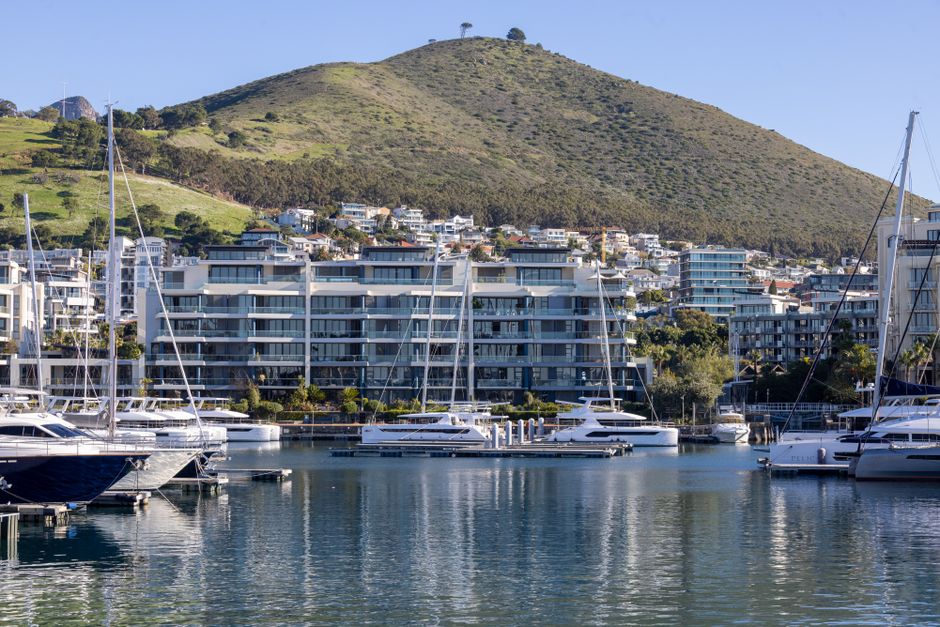
Cairns sits at latitude 16 degrees south, where July nights still hover around 17 to 21 degrees Celsius and the wet season delivers humidity readings that make even those cooler months feel oppressive by midnight. The environmental conditions that make this city one of Australia's most visited tourist destinations are, for tens of thousands of permanent residents, a nightly obstacle to restorative sleep. Researchers and sleep health advocates increasingly point to three specific culprits: ambient temperature, artificial and natural light, and noise, all of which are particularly pronounced in a tropical coastal city.
The timing of this conversation matters. Winter is supposed to be Cairns' respite, the months when locals finally exhale after the crushing humidity of December through March. But even mid-year, the combination of a warming climate baseline and urban heat retention in suburbs like Woree, Manunda and the Esplanade precinct means nighttime temperatures rarely drop far enough, fast enough, for the body's core temperature to follow suit. The human body needs its core temperature to fall by roughly one to two degrees Celsius to initiate deep, slow-wave sleep, a fact well-established in sleep medicine.
The Three-Way Attack on Your Rest
Start with heat. Air-conditioning is the obvious fix, but running a split system through the night in a standard Cairns rental, where electricity bills already trend toward the painful, adds meaningful cost. Ergon Energy, which supplies most of Far North Queensland, has in recent years published advice encouraging residents to set cooling to no lower than 24 degrees for energy efficiency. Sleep specialists generally recommend a bedroom temperature closer to 18 to 20 degrees. That gap is a real tension for Cairns households.
Light is the second problem, and it cuts two ways. The tropical sun rises before 6 a.m. in July and floods east-facing bedrooms, including those in the apartment towers along Abbott Street and the Esplanade, with intense morning light that shunts cortisol production forward, disrupting natural sleep cycles for shift workers and anyone hoping for a lie-in. After dark, the Cairns CBD, the Reef Casino precinct on Wharf Street, and heavy through-traffic on Bruce Highway near the southern suburbs generate substantial artificial light. Blue-spectrum light from screens, phones, tablets, televisions, compounds this by suppressing melatonin production for two to three hours after exposure, according to well-replicated research published in journals including Sleep Medicine Reviews.
Then there is noise. The Port of Cairns operates around the clock, and residents in suburbs including Portsmith, Manunda and Bungalow regularly contend with overnight freight movements and road traffic on Sheridan Street, one of the city's busiest arterials. The World Health Organisation's 2018 Environmental Noise Guidelines recommend average outdoor nighttime noise levels below 45 decibels to protect sleep health; busy urban roads routinely exceed this.
What You Can Actually Do About It
The practical advice isn't revolutionary, but it is specific to where you live. For temperature, the cheapest short-term measure is improving airflow rather than relying solely on mechanical cooling, ceiling fans in combination with cross-ventilation through louvre windows, common in older Cairns Queenslander-style homes in suburbs like Parramatta Park, can drop perceived temperature by three to four degrees without running a compressor. Thermal-lined blackout curtains address both heat gain from early morning sun and the light problem simultaneously; several Cairns homewares retailers on McLeod Street stock them.
For noise, foam earplugs reduce ambient sound by around 25 to 33 decibels, enough to shift a noisy street environment closer to WHO-recommended levels. A low-output white noise machine or a fan placed outside the doorway provides masking sound without the discomfort of foam in the ear canal.
The broader lifestyle piece matters too. Cairns offers genuine advantages here: early morning walks along the Esplanade boardwalk expose the body to natural light at the right time, anchoring the circadian rhythm before the day's heat builds. Saturday mornings at Rusty's Markets on Grafton Street are a reminder that the tropics provide some of the most melatonin-supportive foods available, tart cherries, bananas and fresh kiwifruit all appear in published dietary sleep research as foods with modest but measurable benefit.
Anyone experiencing persistent sleep difficulties, more than three disrupted nights per week for longer than a month, should speak with a GP at Cairns Base Hospital's outpatient services or a local general practice before self-diagnosing. Sleep disorders including apnoea are significantly underdiagnosed in Queensland's tropical north, and environmental factors alone do not explain every case.