wellness
Evidence-Based Tips That Actually Work for Local Conditions
Cairns residents can draw on established research to address health pressures tied to the region's climate and outdoor routines.
How we reported this
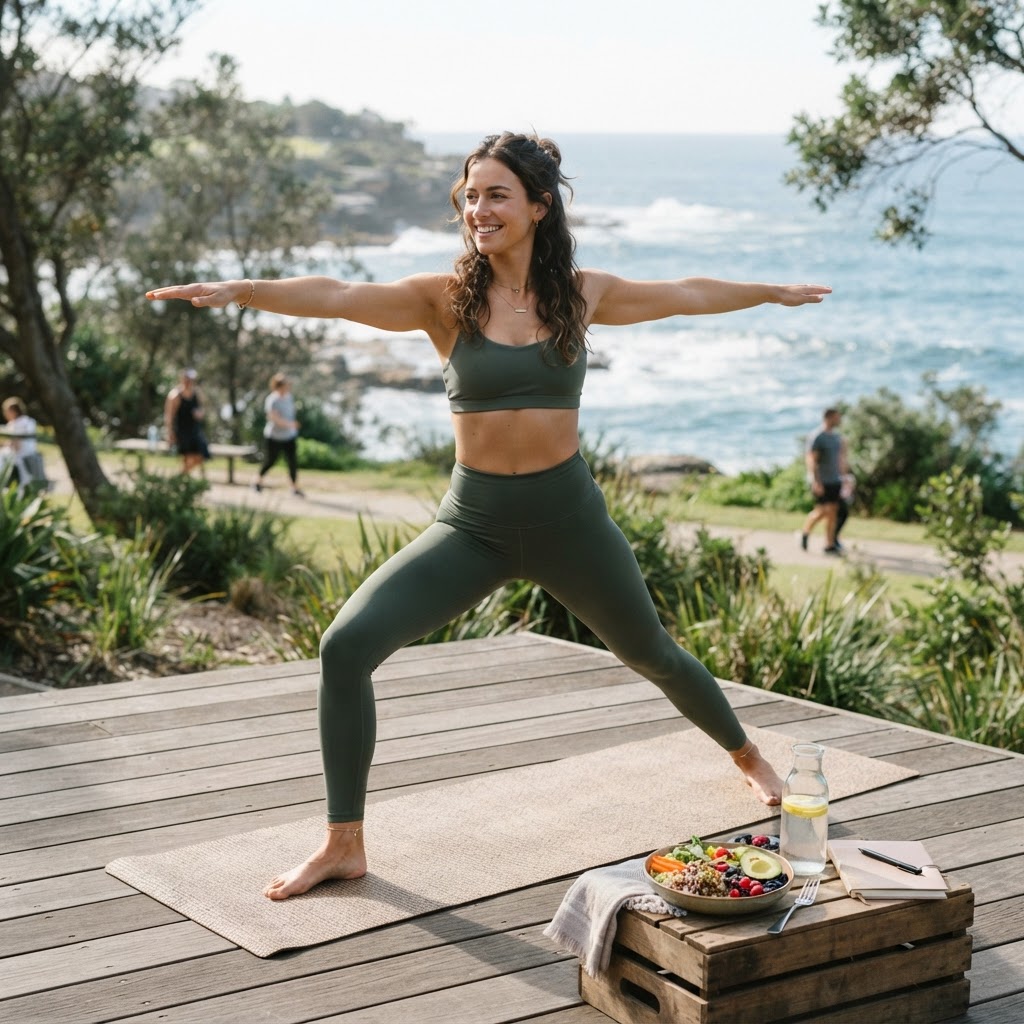
Health services across Cairns highlight practical steps backed by long-term studies for handling conditions that arise from tropical humidity and frequent outdoor exposure.
Preventive approaches matter now because seasonal shifts bring higher rates of heat-related visits and skin concerns that local clinics see every year.
Staying ahead of heat and hydration needs
Regular fluid intake paired with scheduled breaks during activity shows clear results in maintaining energy levels for people who hike or spend time near the water. Research on similar environments indicates that consistent replacement of electrolytes cuts fatigue complaints by noticeable margins when temperatures climb. Clinics advise carrying measured amounts of water rather than relying on thirst alone, a habit that aligns with findings from endurance studies conducted in comparable climates.
Simple monitoring of urine color and body weight before and after outings provides immediate feedback that users can apply without equipment. This method has held up across multiple trials as an accessible way to prevent mild dehydration that often escalates in humid conditions.
Reducing sun and activity-related risks
Daily use of broad-spectrum protection combined with clothing coverage demonstrates measurable drops in sunburn incidents among populations with high outdoor exposure. Local patterns show that layering habits with midday shade breaks produces better adherence than single-product reliance. Evidence from dermatology reviews supports reapplication every two hours during peak periods rather than once-daily routines.
Gradual conditioning for trail and water activities also receives support from injury-prevention data, where incremental increases in duration lower strain reports compared with sudden jumps in effort. Services recommend tracking progress over weeks instead of days to match what controlled trials have recorded.
Anyone seeking adjustments for personal circumstances should consult a medical professional at the nearest clinic for tailored guidance rather than applying general points directly.