Our reporters are based in Cairns and cover local government, business and community. The Daily Cairns is independently owned and editorially independent — no political party, council or commercial sponsor decides what we publish. Read our editorial standards →
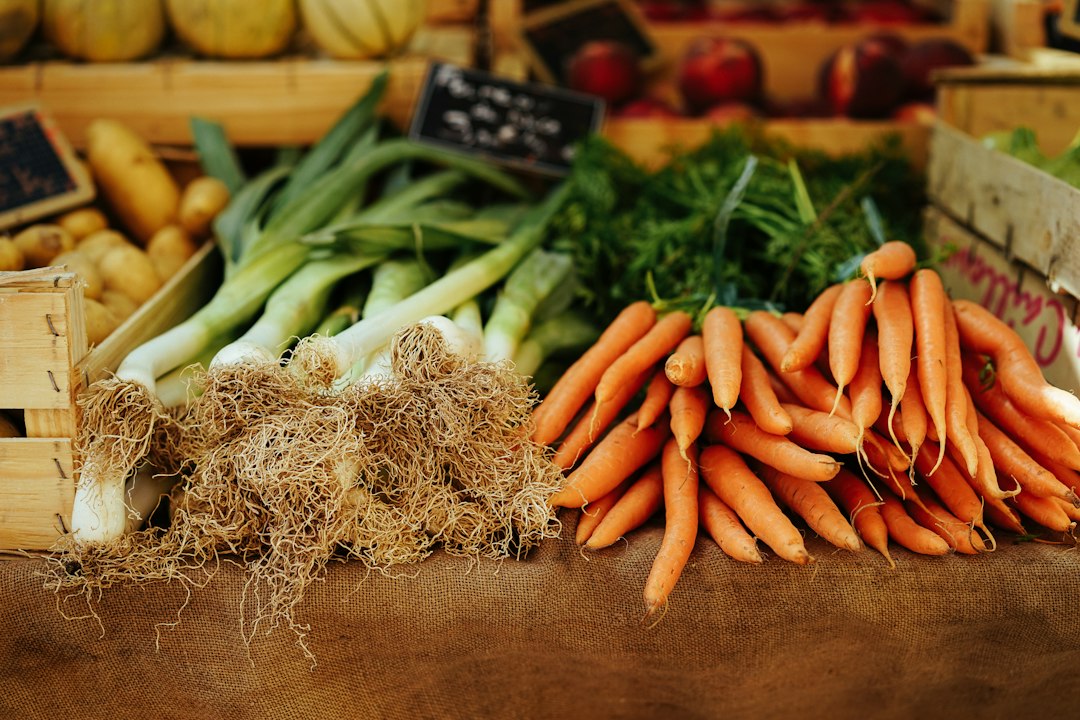
Cairns functions as the principal commercial and logistics hub for the Far North Queensland agricultural region — which encompasses the sugar cane country of the Wet Tropics coast from Mossman to Tully, the banana plantations of the Tablelands and Innisfail, the tropical horticulture operations producing mangoes, avocados, lychees, and export crops, and the cattle grazing of the Cape York and Gulf country — creating a commercial ecosystem that serves the agricultural sector's supply chain, marketing, finance, and export logistics needs.
The sugar industry is the largest agricultural employer in the Cairns region, with the Mossman, Mulgrave, South Johnstone, Tully, Victoria, and Macknade mills processing cane from farms that have operated in the Wet Tropics since the 19th century. The commercial ecosystem supporting the sugar industry includes the farm supply businesses, rural property agents, agricultural financiers, equipment dealers, and logistics operators whose revenue follows the seasonal pattern of the sugar crush — creating Cairns businesses whose annual trading pattern is shaped by whether the crush was high-yielding and what the sugar price has done in the international market.
The tropical horticulture sector has diversified significantly, with the Atherton Tablelands now producing a wider range of high-value export crops — coffee, cacao, macadamia, vanilla, and a range of Asian and Pacific specialty crops — that are marketed through Cairns to export channels and to the domestic premium food market where the "grown in tropical Queensland" provenance adds value that commodity pricing does not capture. Cairns-based food businesses that have identified the premium provenance opportunity and built export or specialty retail channels are generating margins that justify the investment in quality, certification, and relationship-building that premium market access requires.
The export logistics infrastructure at Cairns Airport and Cairns Port connects FNQ's agricultural production to Asian markets — particularly Japan, Korea, Hong Kong, and Singapore — that have demonstrated sustained premium purchasing for Australian tropical fruit and specialty food products. Cairns logistics businesses that understand both the agricultural supply chain and the export compliance and cold chain requirements of Asian food market access are positioned to capture the growing commercial opportunity as FNQ's export-oriented production expands.
This article was compiled by AI from the sources linked above and screened before publishing. See our editorial standards.