Our reporters are based in Cairns and cover local government, business and community. The Daily Cairns is independently owned and editorially independent — no political party, council or commercial sponsor decides what we publish. Read our editorial standards →
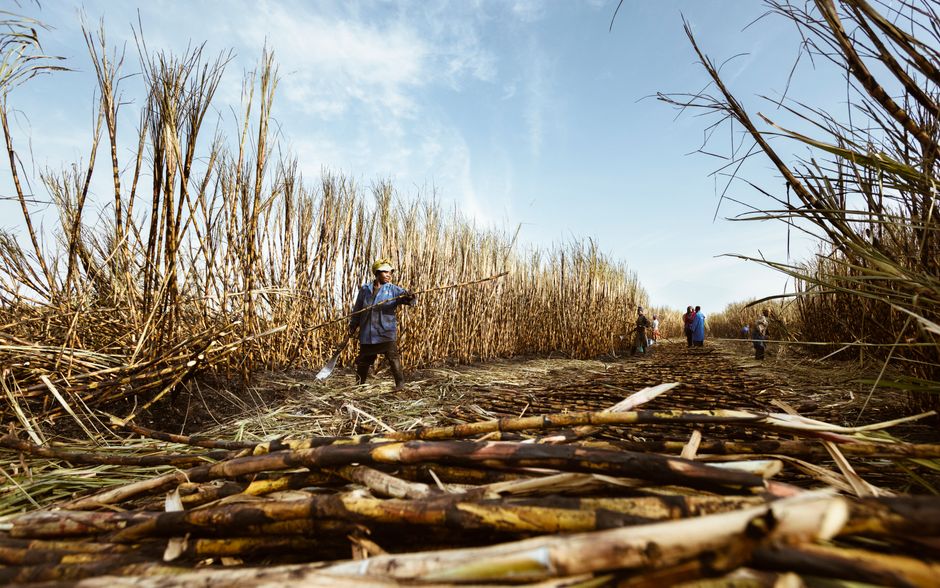
The sugarcane industry of the Wet Tropics, the dominant agricultural activity of the coastal plains around Cairns and the Atherton Tablelands where the alluvial soils, the tropical rainfall, and the agricultural tradition that the colonial cane farming established in the 1880s sustain the sugarcane as the primary broadacre crop of the Far North Queensland coast, is one of Australia's oldest tropical agricultural industries and the one whose economic and social legacy most profoundly shaped the communities of the Cairns hinterland and the Tablelands. The Mossman Sugar Mill, the Mourilyan Harbour mill south of Innisfail, and the Herbert River mills of the Ingham district process the cane that the Far North Queensland growers produce in the coastal and the valley cane lands that the reliable wet season rainfall and the irrigation from the cane district water boards sustain through the dry season supplementary irrigation that the industry requires for the year-round cane management and the harvest readiness.
The Atherton Tablelands agriculture, the diverse farming enterprise of the volcanic plateau 80 kilometres west of Cairns that the rich red basalt soils, the reliable rainfall, and the cooler temperatures create as the most productive agricultural region of Far North Queensland for the diverse cropping that the Tablelands' soil and the climate support in the contrast to the coastal lowland's sugarcane monoculture. The Tablelands' production of the maize, the peanuts, the potatoes, the tropical fruits, and the dairy products that the Tablelands farming has sustained since the 1880s land selection era, when the small farming families occupied the Tablelands' fertile land, creates the agricultural diversity that sustains the Mareeba, the Atherton, and the Malanda communities as the service centres of the farming districts whose diversity buffers the agricultural economy from the commodity price volatility that the single crop dependency creates.
The tropical fruit industry of the Cairns region, the mango, the avocado, the lychee, the bananas, and the exotic tropical fruits that the Far North Queensland growers produce for the southern Australian market and the export trade that the air freight connectivity from Cairns Airport enables for the premium fresh tropical produce that the distance and the fragility demand for the premium market channels that sustain the farm gate price that the tropical fruit grower requires for the labour-intensive cultivation and the harvest management that the tropical fruit orchard demands. The Mareeba mango district, the irrigated mango orchards of the Mareeba Dimbulah Irrigation Area that the Tinaroo Dam water supplies for the dry season irrigation that the mango flowering and the fruit development require in the region where the wet season rainfall ends in April and the dry season continues to October, produces the Kensington Pride and the R2E2 mangoes that the southern market recognises as the Far North Queensland mango that the quality and the consistency of the Mareeba district's production sustains.
The aquaculture industry of the Cairns region, including the prawn farming operations in the tidal lands of the coastal lowlands and the barramundi aquaculture that the tropical climate and the water temperature create the ideal conditions for the fast-growing tropical fish that the restaurant and the retail market values as the premium table fish that the barramundi's sweet flesh and the aquaculture's consistent supply quality create as the market advantage over the wild-caught barramundi whose seasonal availability and the variable quality the aquaculture supply chain smooths into the consistent product that the food service operator requires for the menu dependability that the wild-caught supply cannot guarantee. The aquaculture's development in the Cairns region alongside the traditional agricultural industries creates the diversified food production economy that the climate and the water resources of the tropical north support.
This article was compiled by AI from the sources linked above and screened before publishing. See our editorial standards.