Our reporters are based in Cairns and cover local government, business and community. The Daily Cairns is independently owned and editorially independent — no political party, council or commercial sponsor decides what we publish. Read our editorial standards →
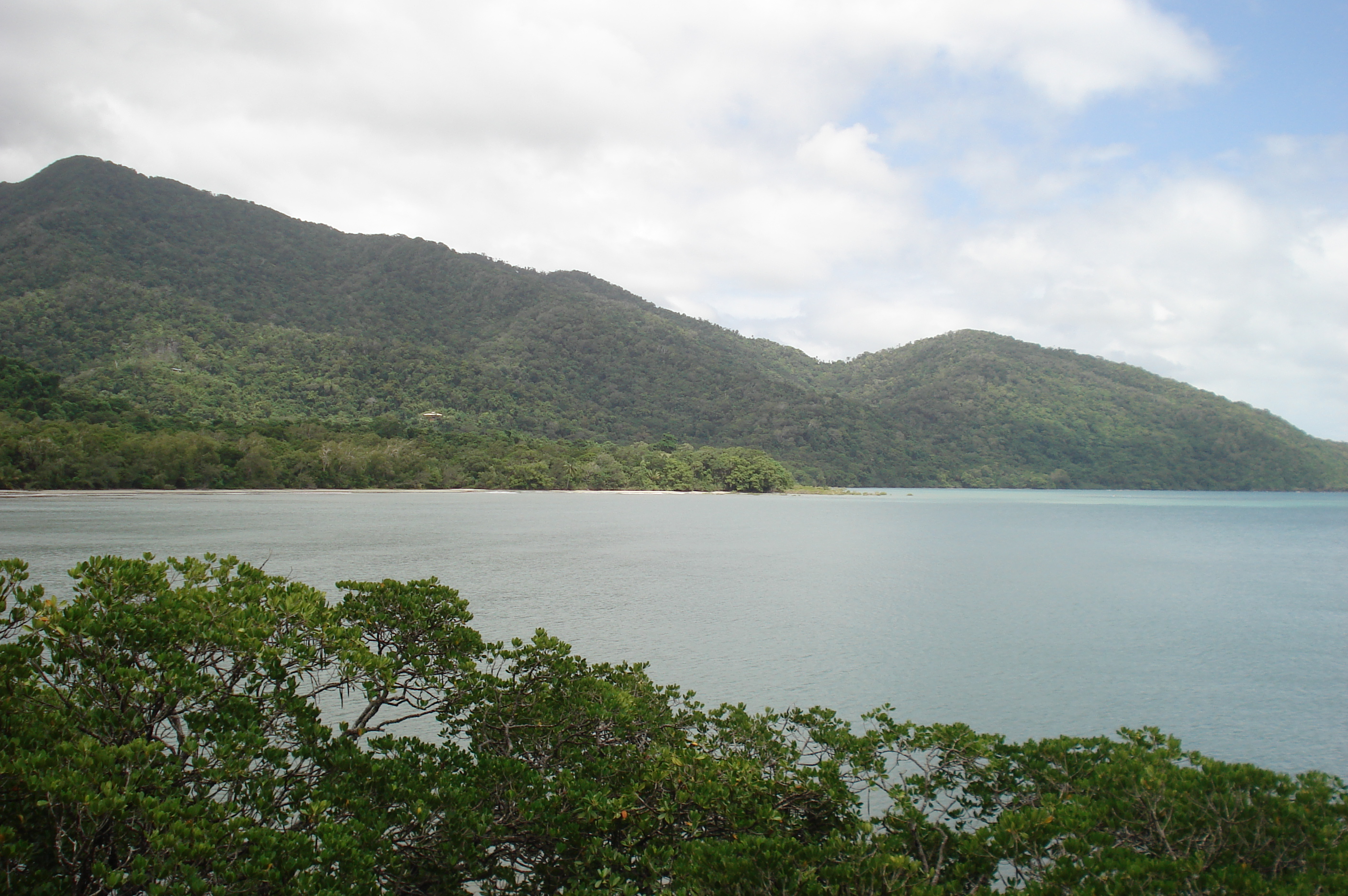
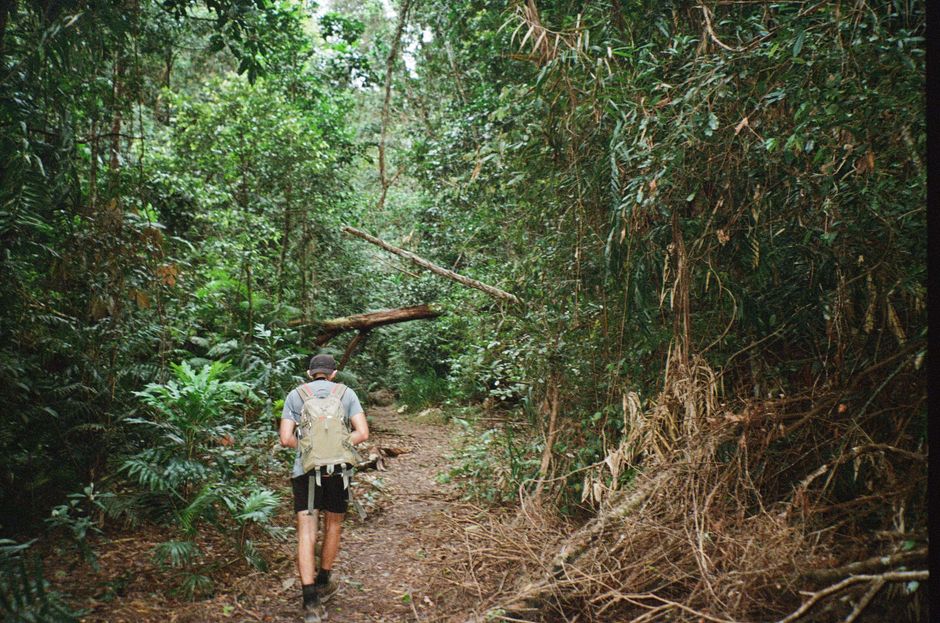
Cape Tribulation, the point on the Far North Queensland coast 100 kilometres north of Cairns where the Daintree Rainforest's ancient green vegetation descends directly to the Coral Sea beach without the coastal plain buffer that separates the rainforest from the ocean coast in most of the world's tropical regions, creating the unique visual encounter between the two most biodiverse ecosystems in the world in the geological accident that the Great Dividing Range's proximity to the Coral Sea coast at this latitude creates, is one of Australia's most celebrated natural experiences and the ecological heritage that the Wet Tropics of Queensland World Heritage Area designation protects as the convergence of the ancient continental rainforest and the marine barrier reef that defines Australia's tropical north. The Daintree Rainforest, the oldest continuously surviving tropical rainforest on Earth with a fossil record of plant families that predate the Amazon by tens of millions of years, provides the evolutionary antiquity that the Wet Tropics World Heritage listing celebrates as the living remnant of the Gondwanan rainforest that covered the ancient southern supercontinent.
The Daintree River crossing, the cable ferry that carries the vehicles and the passengers across the Daintree River on the narrow strip of water that represents the southern boundary of the World Heritage wilderness area beyond which the Cape Tribulation road continues through the Daintree Rainforest to the end of the sealed road at Cape Tribulation, creates the transition point that the visitor crosses from the accessible road network of the Mossman and the Port Douglas tourism precinct into the wilderness that the absence of mobile coverage, the limited facilities, and the crocodile warning signs along the beaches mark as the genuine wilderness experience. The crossing's symbolic importance, representing the transition from the managed tourism environment to the wilderness conservation area, creates the threshold experience that sustains the Cape Tribulation visit as the adventure destination that the self-sufficient traveller who is prepared for the remoteness encounters.
The biodiversity of the Wet Tropics World Heritage Area, encompassing the endemic species of the Daintree Rainforest that have evolved in the isolated mountain refugia of the tropical north over the millions of years that the rainforest's continuous survival has allowed the speciation to accumulate, creates the biological treasure that the scientific community values as the evolutionary laboratory that the ancient rainforest provides for the study of the tropical biodiversity and the evolutionary processes that the island biogeography of the isolated rainforest fragments accelerates. The cassowary, the southern cassowary whose presence in the Daintree Rainforest and the Wet Tropics provides the large frugivore that disperses the seeds of the large-fruited rainforest trees that no other animal in the ecosystem can process, is the rainforest engineer whose ecological role sustains the regeneration of the canopy trees that the cassowary's gut passage is required for.
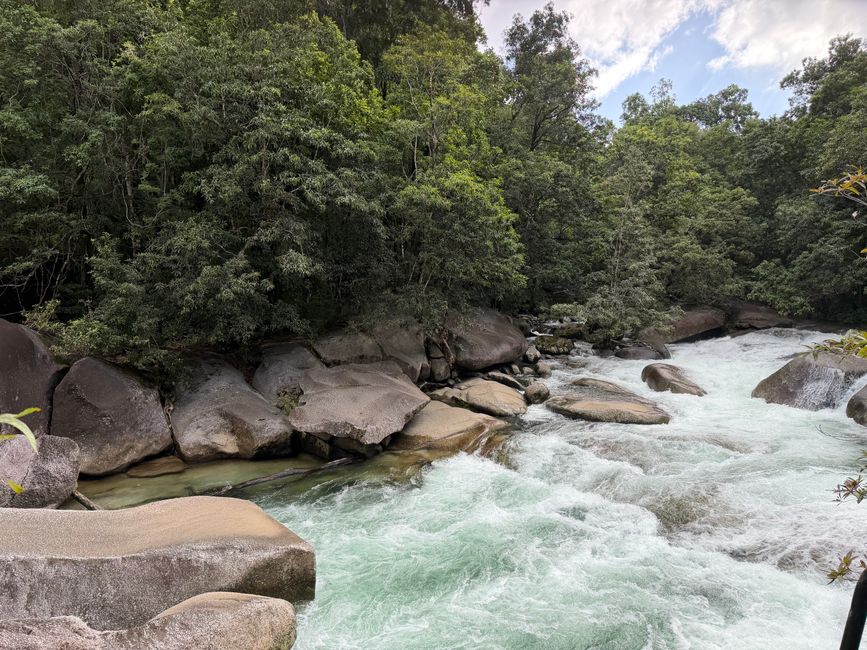
The Indigenous connection to the Daintree, the Kuku Yalanji people's country that the Cape Tribulation area and the Daintree Rainforest encompass in the traditional territory of the Rainforest Aboriginal people whose 50,000-year occupation of the Wet Tropics region is documented in the cultural heritage and the traditional ecological knowledge that the Kuku Yalanji people maintain as the holders of the deep knowledge of the rainforest country, provides the First Nations dimension of the Cape Tribulation experience that the cultural tours and the indigenous guide experiences connect the visitor to in the ecological knowledge and the spiritual relationship to the country that the Kuku Yalanji maintain in the places where their ancestors lived for the generations before the European contact. The Mossman Gorge Centre, the Kuku Yalanji-operated cultural and tourism centre at Mossman Gorge south of Cape Tribulation, provides the most accessible and the most developed indigenous cultural tourism experience of the Wet Tropics region.
This article was compiled by AI from the sources linked above and screened before publishing. See our editorial standards.