Our reporters are based in Cairns and cover local government, business and community. The Daily Cairns is independently owned and editorially independent — no political party, council or commercial sponsor decides what we publish. Read our editorial standards →
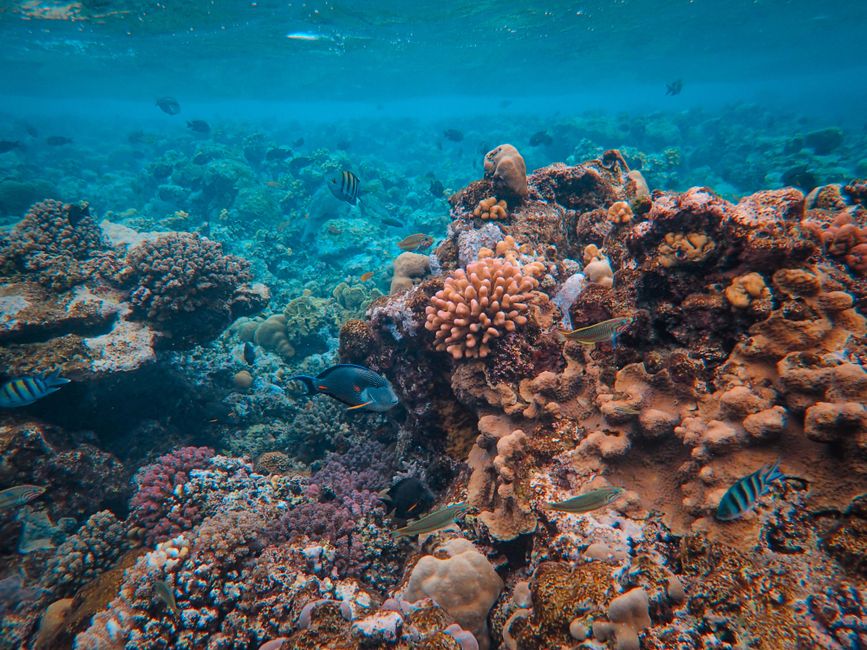
The Great Barrier Reef, the 2,300-kilometre coral ecosystem that stretches from the tip of Cape York to the waters off Bundaberg and that is the world's largest living structure visible from space, provides Cairns with the single most powerful natural attraction in Australia and the marine environment whose diving and snorkelling experience draws visitors from every country in the world to the tropical city that is the reef's primary access point. The reef's proximity to Cairns, with the outer reef accessible in 90-120 minutes by high-speed catamaran from the Cairns Esplanade, creates the day trip accessibility that makes Cairns the most visited reef gateway in Australia by a significant margin.
The Cairns reef tourism fleet, operating from the Reef Fleet Terminal on the Cairns Esplanade with dozens of operators running the full-day reef trips to the outer reef platforms and the day reef destinations of Agincourt Reef, Flynn Reef, and the Norman Reef, provides the infrastructure that the 1.5 million reef visitors who use Cairns as their reef access point each year require. The major operators, including Great Barrier Reef cruises, Sunlover Reef Cruises, and Passions of Paradise, run the vessel programs and the semi-submersible and underwater observatory experiences that allow the non-diving visitor to experience the reef in the depth that masks and fins would otherwise be necessary for.
The learn-to-dive industry in Cairns, providing the open water certification courses that the thousands of visitors who want the full underwater reef experience take before or during their Cairns visit, is one of the most significant dive training markets in the world. The combination of the warm, clear water, the managed dive sites that range from gentle and shallow to challenging and deep, and the marine biodiversity that makes every dive rewarding regardless of the diver's experience level creates the perfect environment for the dive training that the Cairns dive schools deliver.
The reef's climate change vulnerability, expressed through the coral bleaching events that have affected portions of the reef in 2016, 2017, 2020, and 2022, creates the conservation challenge and the visitor engagement opportunity that the reef tourism industry addresses through the citizen science programs, the reef health interpretation, and the sustainability practices that responsible reef tourism operators have adopted. The conversation about the reef's future, driven by the global climate science and the visible evidence of bleaching that the tourism operators and their guests witness on the reef, has made the reef tourism experience inseparable from the reef conservation advocacy that the scientific and tourism communities both engage in.
This article was compiled by AI from the sources linked above and screened before publishing. See our editorial standards.