Our reporters are based in Cairns and cover local government, business and community. The Daily Cairns is independently owned and editorially independent — no political party, council or commercial sponsor decides what we publish. Read our editorial standards →
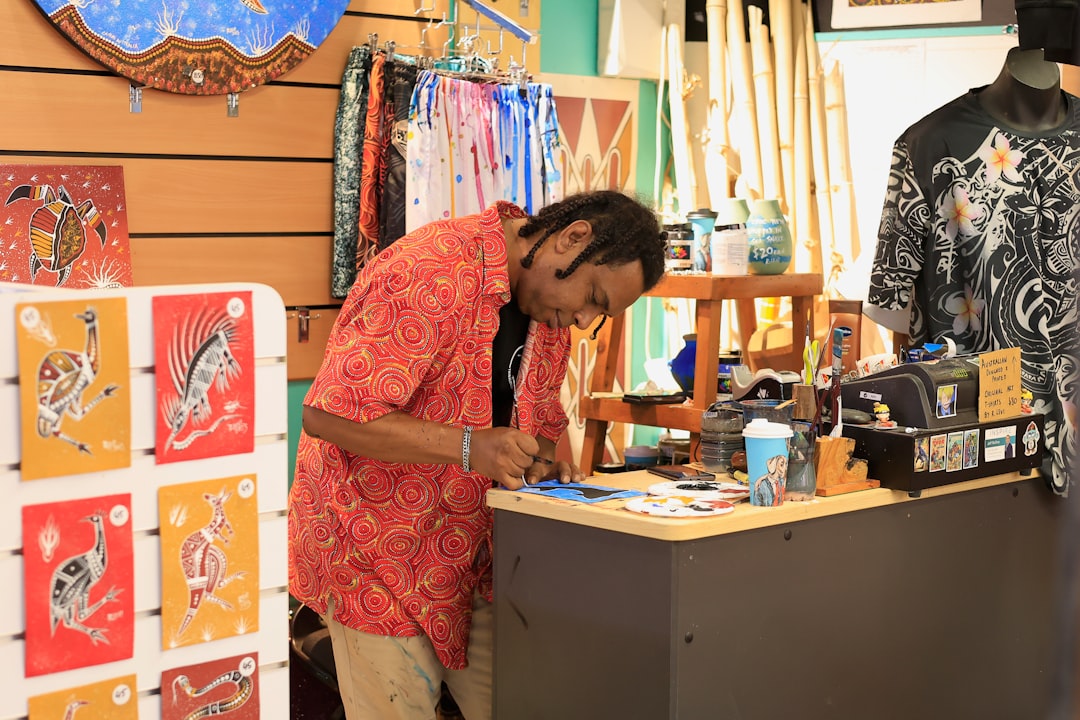
The Cairns Indigenous Art Fair (CIAF), the annual celebration of the Aboriginal and Torres Strait Islander art of Far North Queensland that the Cairns Regional Council and the arts community have developed into the most significant Indigenous art event in the tropical north and one of the premier Indigenous art markets in Australia, provides the cultural platform that connects the Indigenous artists of the Cape York Peninsula, the Torres Strait Islands, and the Far North Queensland communities to the collectors, the gallery professionals, and the art tourists who come to Cairns each July for the four-day fair that showcases the traditional and the contemporary art of the tropical north's diverse Indigenous cultures. The fair's significance extends beyond the market function of connecting the artist to the buyer and the collector, creating the cultural event that celebrates the living art traditions of the communities whose art practices reflect the deep knowledge and the spiritual connection to the country that the traditional art forms embody and that the contemporary Indigenous art extends into the modern expression that the global art market recognises as the distinctively Australian contribution to the international art world.
The Torres Strait Islander art and culture that CIAF provides the platform for, the visual art, the performance, and the material culture of the island communities whose distinct culture and the language group create the unique cultural identity that differs from the mainland Aboriginal cultures in the maritime orientation, the island imagery, and the cultural heritage that the Torres Strait Islander art forms embody, provides the most accessible presentation of the Torres Strait Islander culture for the mainland Australian and the international visitor who wants to encounter the island cultures without the logistical challenge of travelling to the Torres Strait. The CIAF's Torres Strait Islander presence, including the dance performances, the weaving demonstrations, and the visual art of the island artists, creates the cultural education that the art fair context sustains beyond the commercial transaction of the art market.
The performance and the dance program of CIAF, the cultural performances of the traditional and the contemporary dance that the Indigenous artists and the cultural groups from across Far North Queensland and the Torres Strait perform on the CIAF stage, provides the performing arts dimension of the fair that complements the visual art market with the living culture experience of the song, the dance, and the performance that the Indigenous cultural tradition embodies in the performance art that the CIAF stage presents to the audience. The dance performances' role in the CIAF program, sustaining the connection between the visual art that the fair markets and the living culture that the performance art expresses in the embodied form, creates the cultural richness that the art fair's combination of the market and the performance sustains for the participant who experiences both the art object and the performing art that the same cultural tradition creates.
The economic impact of CIAF for the Indigenous artists of Far North Queensland, the direct art sales that the fair creates for the individual artist and the art centre cooperative, the residency and the professional development opportunities that the fair's program includes for the emerging artists, and the market access to the collectors and the galleries that the fair provides, sustain the art centre cooperatives of the remote communities and the individual Indigenous artists who depend on the art market income for the economic self-determination that the cultural production enables for the communities whose remote location and the limited employment alternatives make the art market income the primary non-government income source. The fair's economic contribution to the Cairns accommodation and the hospitality sector from the visitor spending of the art collectors, the gallery professionals, and the cultural tourists sustains the fair's value to the broader Cairns economy as the cultural tourism event that brings the high-yield visitor to the tropical north.
This article was compiled by AI from the sources linked above and screened before publishing. See our editorial standards.