Our reporters are based in Cairns and cover local government, business and community. The Daily Cairns is independently owned and editorially independent — no political party, council or commercial sponsor decides what we publish. Read our editorial standards →
The Wet Tropics region of Far North Queensland, centred on Cairns, is home to some of the most diverse Aboriginal language groups and cultural traditions in Australia, the exceptional biodiversity of the rainforest environment having sustained the equally exceptional cultural diversity of the peoples whose country encompasses the reef, the rainforest, the tablelands, and the islands that make the Far North the most environmentally varied region of the continent. The Kuku Yalanji, the Yirrganydji, the Djabugay, the Tableland peoples, and the many other language groups whose traditional country overlaps in the Wet Tropics region have maintained their cultural connections to country through the colonial disruption and the mission era that affected all Australian Aboriginal communities and that the Cairns region's communities have sustained through the language revitalisation programs, the cultural tourism, and the native title determinations that have restored the formal recognition of country connection.
The Tjapukai Aboriginal Cultural Park, the Indigenous cultural tourism experience that has operated at Caravonica near Cairns since 1987 and that has grown into one of the most visited Indigenous cultural experiences in Australia, provides the performance, the demonstration, and the interpretation of Djabugay culture that the international visitor who wants the authentic Indigenous cultural encounter accesses in the accessible and managed environment of the cultural park. The park's combination of the dance performance, the boomerang and spear-throwing demonstrations, and the cultural interpretation provides the engagement with the Djabugay cultural practices that the visitor from the major world capitals who has had limited opportunity to encounter living Indigenous culture experiences as the most significant cultural dimension of their Australia visit.
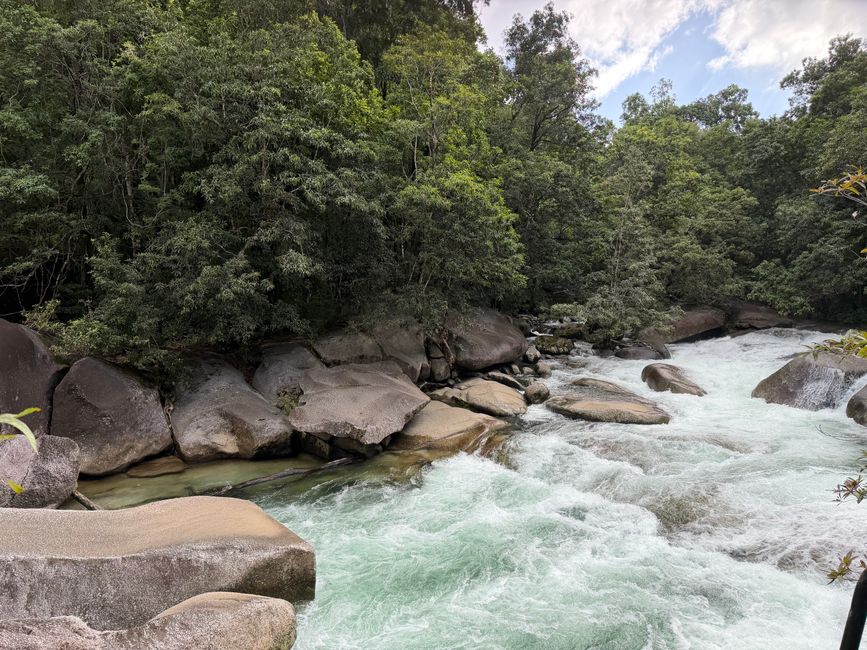
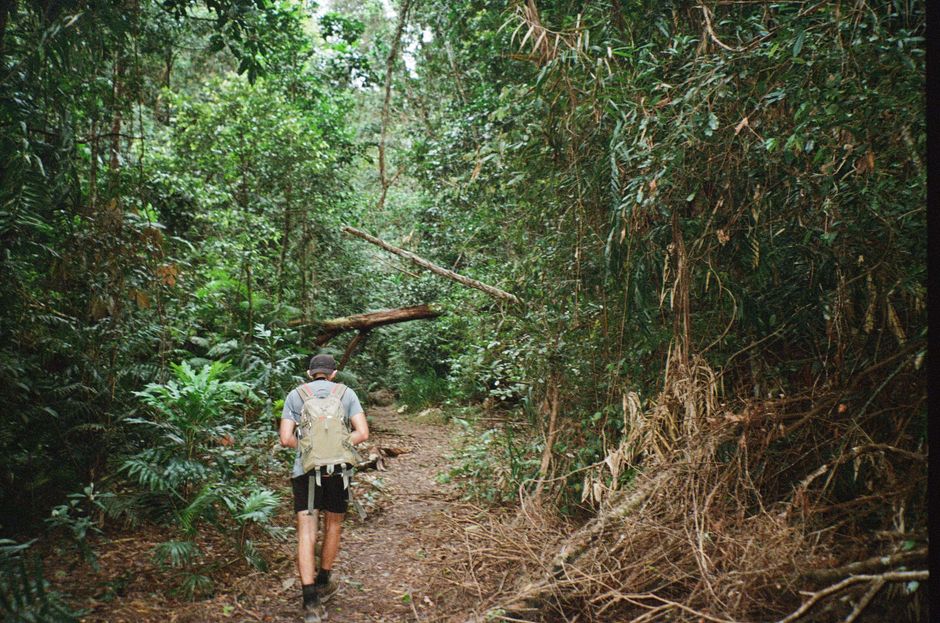
The Mossman Gorge Centre, operated by the Kuku Yalanji community as the entry point to the Mossman Gorge section of the Daintree National Park, provides the guided cultural walk experience that the Kuku Yalanji rangers lead through their traditional country in the manner that the Indigenous-led interpretation movement has developed across the national park network as the recognition of Indigenous land management knowledge and country connection has grown. The walks' integration of the ecological knowledge with the cultural knowledge, explaining the rainforest plants and animals in the framework of the Kuku Yalanji relationship to country, provides the depth of understanding that the unguided walk cannot achieve.
The native title determinations that have recognised the Kuku Yalanji, the Eastern Kuku Yalanji, and the other Wet Tropics Aboriginal groups' rights in their traditional country, providing the legal recognition of the continuous connection to country that the communities have maintained despite the colonial history, represent the most significant recent development in the formal relationship between the Cairns region's Indigenous communities and the land that their cultures are inseparable from. The determinations' implications for the management of the national parks and the marine parks that overlap with the native title areas create the co-management arrangements that share the responsibility for the country that both the traditional owners and the conservation estate hold.
This article was compiled by AI from the sources linked above and screened before publishing. See our editorial standards.