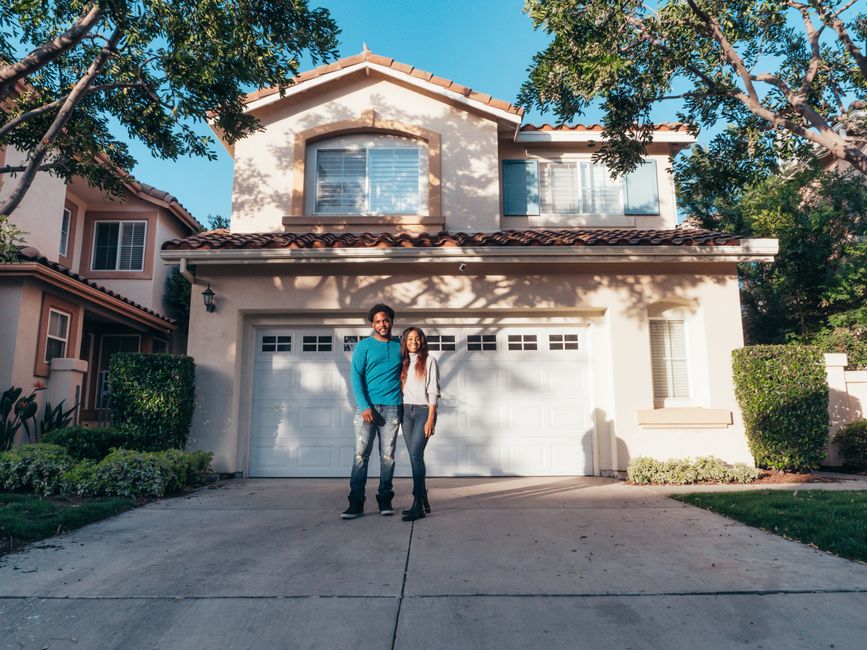
For Sarah Mitchell, a hospitality manager in Cairns CBD, the numbers simply don't add up. Paying $380 per week to rent a two-bedroom unit in Parramatta Park while saving for a house deposit means watching her dream of homeownership drift further away each quarter.
"By the time I save enough for a 20 per cent deposit, prices will have moved up another $50,000," Sarah says. She's not alone. Across Cairns, thousands of renters are caught in an affordability squeeze that's reshaping how our city's workforce views property ownership.
The mathematics are stark. With Queensland's median house price hovering around $420,000, and Cairns properties tracking close to that benchmark, first-time buyers need approximately $84,000 saved before stepping foot in the market. Meanwhile, rental demand remains fierce. Properties in sought-after precincts like Trinity Beach and Smithfield—areas attracting young professionals and families drawn by Northern Beaches growth—command $420 to $480 weekly for comparable two-bedroom homes.
Recent local analysis reveals renters in Cairns are spending roughly 35–40 per cent of their gross income on housing, well above the sustainable 30 per cent benchmark. For a hospitality or tourism worker earning $55,000 annually, that translates to nearly $20,000 yearly going toward rent alone.
The rental-to-purchase calculation is sobering. A renter paying $380 weekly spends approximately $19,760 annually with zero equity accumulation. Across five years, that's nearly $100,000 vanished into the rental market. By contrast, a buyer with a $84,000 deposit on a $420,000 property faces a $336,000 mortgage—substantial, certainly, but each repayment builds ownership stakes.
Property experts suggest the gap between renting and buying has widened considerably since rate hikes began in 2022. While mortgage stress is real for stretched buyers, the psychological barrier to entry has arguably grown steeper. Many young Cairns workers find themselves trapped: unable to save sufficiently without sacrificing quality of life, yet unable to access finance without that deposit cushion.
The situation demands attention. Without intervention—whether through first-home buyer schemes, shared equity models, or rental assistance programs—Cairns risks locking out essential workers from property ownership entirely. Tourism operators, healthcare workers, and hospitality staff form the backbone of our economy, yet increasingly cannot afford to live here permanently.
For now, Sarah continues renting in Parramatta Park, watching Trinity Beach and Smithfield boom around her—suburbs she can admire but may never call home.
This article was compiled by AI from the sources linked above and screened before publishing. See our editorial standards.