Cairns Wet Season Weather Guide 2026
The Cairns wet season represents the tropical North Queensland region's most dramatic meteorological period, characterized by intense rainfall, high humidity, and warm temperatures. While June 2026 marks the beginning of Australia's winter in southern cities, Cairns remains firmly in its dry season—making it an ideal time to visit before the wet season arrives in November. Understanding Cairns wet season patterns is essential for residents and visitors planning activities during this transformative period.
Today and This Week in Cairns
In June 2026, Cairns experiences cool, dry conditions typical of the tropical dry season. Temperatures range from 16–25°C, with minimal rainfall and low humidity levels. This period represents the most comfortable time to explore Cairns, with clear skies perfect for reef visits and outdoor activities. Check the Bureau of Meteorology Cairns forecast for detailed seven-day outlooks and hourly conditions.
Seven-Day Outlook and Current Conditions
The seven-day forecast for Cairns in June 2026 indicates consistent dry conditions with temperatures hovering between 16–26°C. Morning lows drop to mid-teens, while afternoons warm pleasantly—perfect for reef expeditions, rainforest walks, and coastal exploration. Humidity remains at comfortable 50–65% levels.
Wind patterns remain light to moderate from the southeast, providing relief from summer heat and ensuring excellent water visibility for snorkeling and diving activities. Rainfall probability is minimal throughout the week, with less than 5mm expected.
For real-time updates and detailed forecasts, visit the Bureau of Meteorology official website or download the BOM Weather app for hourly updates and severe weather alerts.
Seasonal Guide: Understanding Cairns Wet Season Patterns
The Cairns wet season typically runs from November through March, transforming the region with dramatic weather changes. This period brings:
- Intense Rainfall: November–February experiences the heaviest precipitation, with average monthly totals of 150–300mm. January and February are peak months, sometimes recording over 400mm.
- High Humidity: Humidity levels exceed 80% regularly, creating tropical conditions that require acclimatization.
- Elevated Temperatures: Daytime temperatures reach 28–32°C, with minimal temperature variation between day and night.
- Tropical Cyclone Risk: November through April marks cyclone season, with the highest risk December through March. The region experiences average cyclone activity approximately once every 2–3 years.
- Afternoon Storms: Predictable afternoon thunderstorms develop 3–4 times weekly, typically clearing within hours but causing localized flooding.
Despite challenging weather, wet season offers advantages: lush green landscapes, abundant wildlife activity, lower tourism numbers, and competitive accommodation pricing. Marine life becomes more active, and birdwatching improves dramatically.
Cairns Climate: Year-Round Weather Patterns
Cairns experiences tropical climate characterized by two distinct seasons. The dry season (May–October) brings comfortable temperatures, low humidity, and minimal rainfall—conditions ideal for tourism and outdoor activities. Average temperatures range from 15–27°C, with humidity at 55–70%.
The Cairns wet season (November–April) reverses these patterns. November marks transition month, with rainfall increasing gradually. December through February represents peak wet season intensity. March and April see declining rainfall, though conditions remain warm and humid. April typically records 150–250mm rainfall.
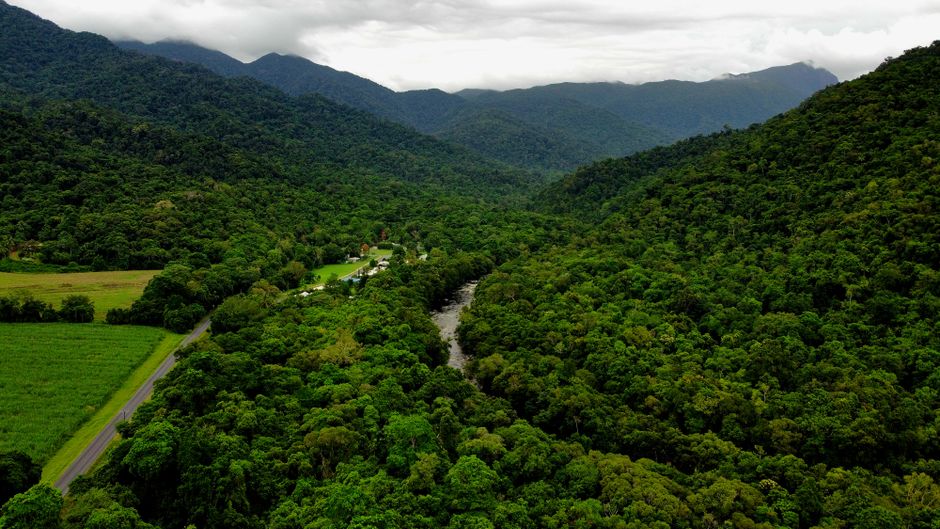
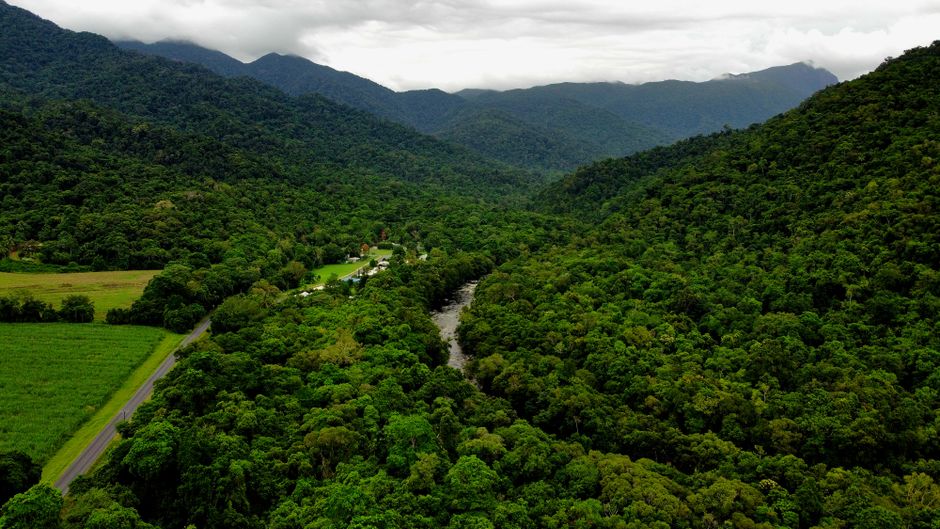
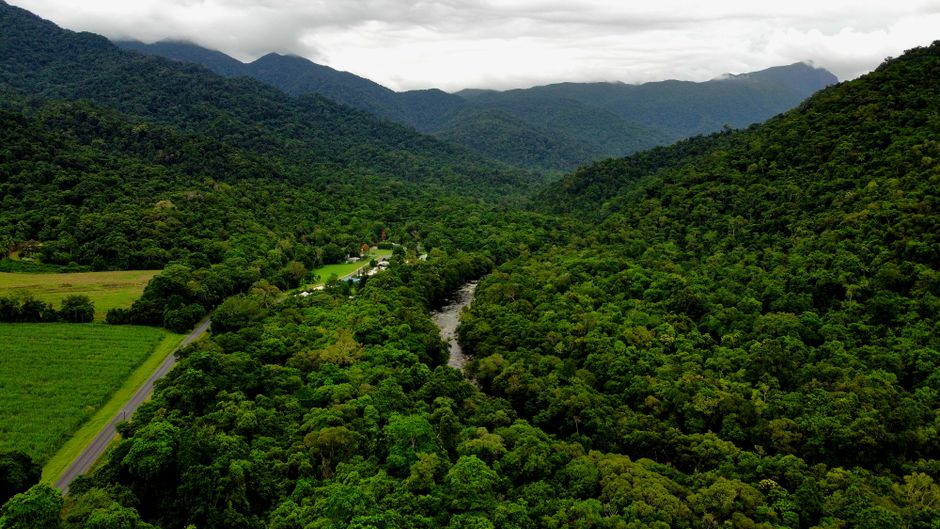
Annual rainfall in Cairns averages 2,000mm, with approximately 80% falling during wet season months. This concentrated precipitation supports the neighboring Daintree Rainforest, Australia's oldest tropical rainforest and World Heritage Area.
What to Pack for Cairns Conditions
- Dry Season (Current Period): Light layers, reef-safe sunscreen (SPF 50+), hat, sunglasses, comfortable walking shoes, light cardigan for cool mornings, moisture-wicking clothing.
- Wet Season Preparation: Waterproof jacket and pack cover, quick-dry clothing, waterproof phone case, closed-toe water shoes, umbrella, insect repellent (dengue and mosquito prevention), moisture-absorbing fabrics.
- Year-Round Essentials: Reef-safe sunscreen, hat, sunglasses, light cotton clothing, swimwear, basic first-aid supplies.
The tropical environment demands specific preparation regardless of season. Reef-safe sunscreen protects both your skin and delicate coral ecosystems. Waterproof electronics protection becomes essential during wet season, when moisture and rain are constant.
Planning Your Cairns Visit
Timing your Cairns visit depends on preferences. Dry season (May–October) offers optimal weather, excellent reef conditions, and comfortable activities. Wet season appeals to travelers seeking fewer crowds, lower prices, and dramatic natural displays, provided you're prepared for weather challenges.
Stay informed with Queensland Bureau of Meteorology forecasts and cyclone information during November–April. Subscribe to severe weather alerts for your specific location.
For comprehensive local insights about living through or visiting during Cairns wet season conditions, consult The Daily Cairns for current community information, local recommendations, and real-time weather impacts affecting daily life and tourism in Far North Queensland.
This article was compiled by AI and screened before publishing. See our editorial standards.