The Daily Cairns

Cairns news, every day

Community

Cairns history and heritage: from Gimuy country to Far North gateway

The story of Australia's tropical gateway — from pearlers and gold seekers to reef tourism.

By Cairns Daily · 25 June 2026 at 1:23 am · 2 min read Updated

Updated 28 June 2026 at 1:23 am

2 min read· 318 words

How we report this

Our reporters are based in Cairns and cover local government, business and community. The Daily Cairns is independently owned and editorially independent — no political party, council or commercial sponsor decides what we publish. Read our editorial standards →

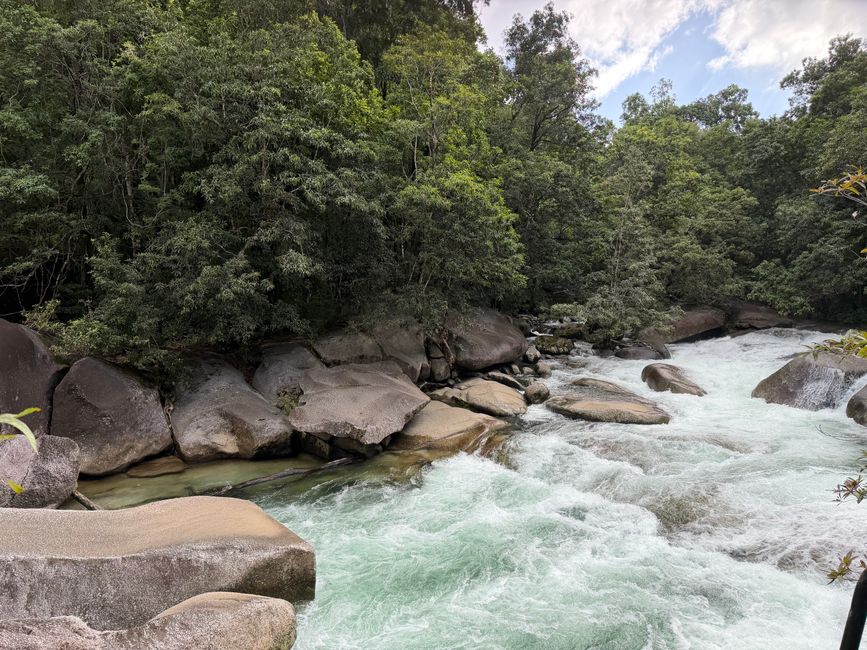
Cairns history and heritage: from Gimuy country to Far North gateway
Photo: Photo by Unsplash

Cairns' history begins with the Gimuy Walubara Yidinji people whose country the 1876 European settlement displaced, and extends through the gold rush era of the Hodgkinson and Palmer goldfields, the sugar cane industry that the South Sea Islander labour force (blackbirded and later deported) established, and the tourism transformation of the late 20th century that made the Great Barrier Reef accessible to the world.

Cairns Museum — the museum in the heritage School of Arts building in City Place covers the Gimuy Walubara Yidinji history, the gold rush era that made Cairns a port city, the South Sea Islander heritage, and the WWII significance of Cairns as a staging base for the New Guinea campaign that brought General MacArthur's forces north from Australia.

Kuranda historic railway and the rainforest settlement — the 1891 railway from Cairns to Kuranda — built through the rainforest and the Barron Gorge at a cost of 24 workers' lives in the construction — is the most significant heritage infrastructure project in Queensland outside the south-east. The railway opened the Atherton Tablelands to agriculture and remains operational as the Kuranda Scenic Railway heritage tourism service.

Cairns Heritage Library and St Monica's Cathedral — the St Monica's Cathedral Trinity Windows — incorporating coloured glass that creates a stained glass account of the Great Barrier Reef's marine life — and the heritage library collection provide the cultural and religious heritage that the city's colonial era created in the tropical north.

Gordonvale and the cane heritage — the cane farming town of Gordonvale 24 kilometres south of Cairns preserves the sugar industry heritage — the Mulgrave Mill, the cane railway, and the multicultural community that the Pacific Islander, Chinese, Italian, and Greek labour histories created — that the Cairns region sugar industry depended on from the 1880s.

This article was compiled by AI from the sources linked above and screened before publishing. See our editorial standards.

See something wrong? Suggest a correction.

More in Community

More in Community

More on this topic: Community

  1. Getting Around Cairns in 2026: Airport, Roads and the Far North· 27 June 2026
  2. Cairns' Multicultural Community in 2026: Pacific Islands, Indigenous Culture and Far North Diversity· 27 June 2026
  3. Moving to Cairns in 2026: Gateway to the Reef and a Growing Regional City· 27 June 2026

Spread the word

Have your say

Loading comments…

About this article

Published by The Daily Cairns

This article was produced by the The Daily Cairns editorial desk and covers community in Cairns. See our editorial standards for how we use AI.

Join 6,000+ Cairns locals reading every morning.

The Daily Cairns brief

The day's Cairns news in a 2-minute read, every weekday morning. Free.

By subscribing you agree to receive emails from The Daily Cairns and accept our Privacy Policy. Unsubscribe anytime.

Daily brief

Enjoyed this? Wake up to Cairns news every morning.

Free, in your inbox before 7am. Weekdays.

By subscribing you agree to receive emails from The Daily Cairns and accept our Privacy Policy. Unsubscribe anytime.

Enjoyed this story? Get tomorrow's briefing free.

The Daily Network — local news across Australia

More local news across Australia from our sister mastheads.