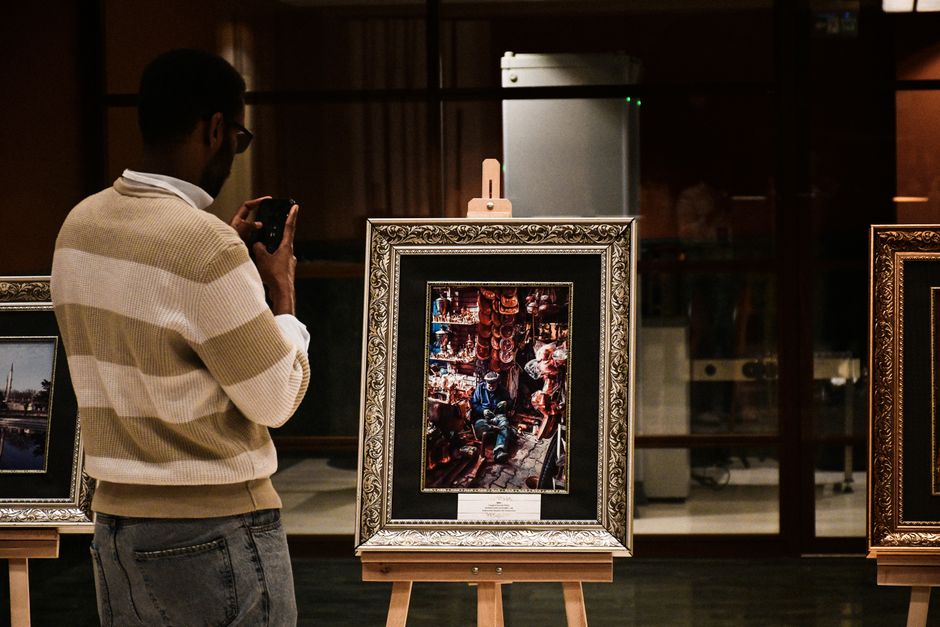
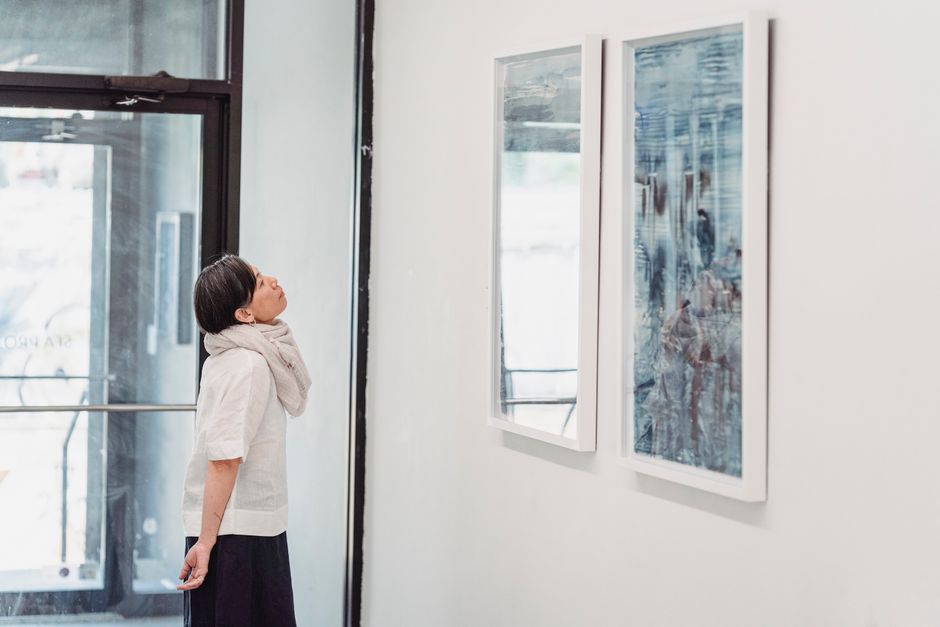
The Cairns Museum on Lake Street just wrapped a major restructuring of its permanent collections in March, and the shift signals something larger happening across the city's gallery and museum landscape. Institutions here are no longer content to show up as afterthoughts in tour itineraries. They're building exhibitions around what makes this place distinct: Indigenous culture, tropical ecology, and the stories of people who've actually lived here.
This pivot matters now because Cairns sits at a crossroads. Tourism numbers remain robust—the region pulled in 2.3 million visitors in 2025 according to Tourism and Events Queensland—but travellers increasingly want depth over checkbox attractions. They want to understand why a place matters, not just photograph it. The city's galleries and museums are responding by getting more ambitious about what they show and how they show it.
The major players: what's on the ground
Start at the Cairns Museum itself on Lake Street, where the permanent collection now dedicates substantial space to Yolngu and Djabugay artistic traditions. The museum's decision to centre Indigenous perspectives wasn't cosmetic. Exhibition designers spent eighteen months consulting with community leaders before finalising the layout. Admission runs $18 for adults, and the tropical history wing—covering everything from early settlement to contemporary reef science—still occupies the building's ground floor.
The Cairns Regional Gallery, housed in the same Lake Street precinct, operates on a different rhythm. Their rotating exhibition schedule means what hangs on the walls shifts roughly every eight weeks. The gallery's 2026 autumn program includes a survey of contemporary Australian photography and a regional artists showcase scheduled for September. Entry is free, though the gallery requests a $5 donation. This year they've also introduced extended Thursday evening hours until 8pm to catch working professionals who can't visit during standard daytime slots.
Smaller venues matter too. Tanks Arts Centre on Abbott Street has become the unofficial headquarters for experimental work. The converted water tanks—literally repurposed from the city's old infrastructure—host everything from video art installations to emerging sculptor exhibitions. It's rougher around the edges than the museum, but that's partly the point. Shows here change monthly, and entry typically costs between $8 and $12 depending on the exhibition.
What the numbers reveal about local engagement
Foot traffic through these institutions tells a story. The Cairns Regional Gallery saw just over 34,000 visitors across 2025, up from 28,500 the year prior. That 19 percent increase came partly from the gallery's decision to partner with the Cairns Convention Bureau on package deals for cruise ship passengers, but repeat local visitors account for roughly 40 percent of that bump.
The Cairns Museum operates differently. It tracked 156,000 visits last year, but that figure includes school groups and package tours. Stripping those out, independent adult visitors numbered around 67,000—a cohort the museum has deliberately been courting by offering extended opening hours and developing partnerships with hotels along the Esplanade.
One practical note: parking remains tight around Lake Street during peak tourist season (July and August). Arrive early or use the paid lot behind the regional library. Many galleries now offer mobile booking options through their websites, which helps during busy periods.
If you're visiting Cairns, build in at least a full afternoon for these spaces. The museum and regional gallery justify 3-4 hours combined. Add another hour or so if Tanks Arts Centre has an exhibition that matches your interests. Check websites before you go—hours shift seasonally, and some exhibitions have specific viewing windows. The scene here won't wow you if you're comparing it to Melbourne or Sydney galleries, but that's precisely the point. It's built for this city, by people who understand why it matters.