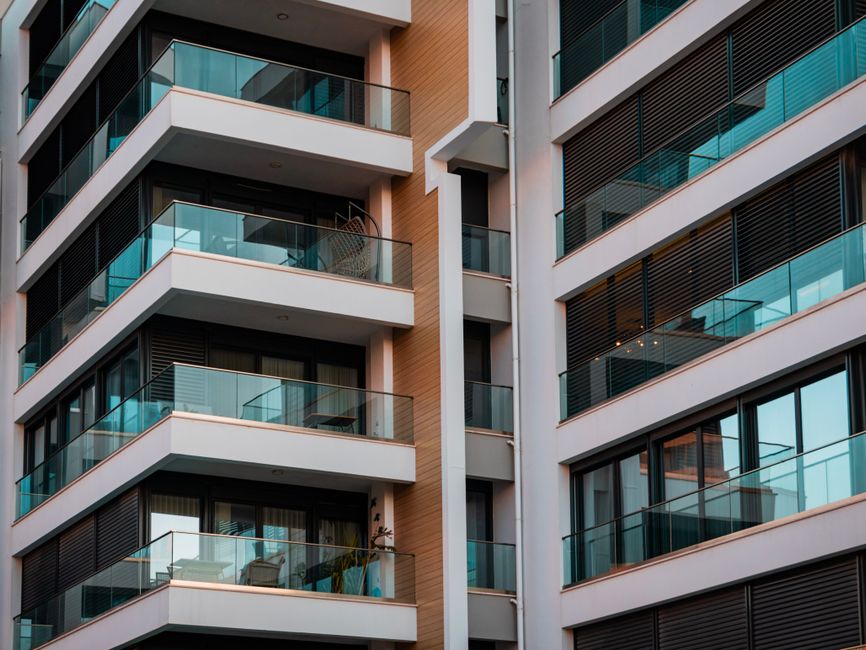
Cairns isn't trying to be Melbourne. It isn't chasing Sydney's property fever or Brisbane's corporate ambitions. What's happening in the neighbourhoods between the Esplanade and the Atherton Tableland is something genuinely different—a form of urban living that borrows from tropical port cities like Townsville and Darwin while rejecting the cookie-cutter apartment blocks reshaping the southern capitals.
The shift became visible three years ago when gentrification arrived in Cairns, but it arrived quietly. Property values in Portsmith and Westcourt climbed steadily without the media frenzy that accompanies inner-city renewal in Sydney or Melbourne. Young families and remote workers began choosing the suburbs not because they'd been rebranded by developers, but because the schools, the sprawl, and the access to nature simply worked better than the alternatives. The Cairns Regional Council's 2025 demographic report showed the city's population hit 157,000 residents, with growth concentrated in outer suburbs—the opposite direction from Australia's other major cities.
Where the reef meets the neighbourhood café
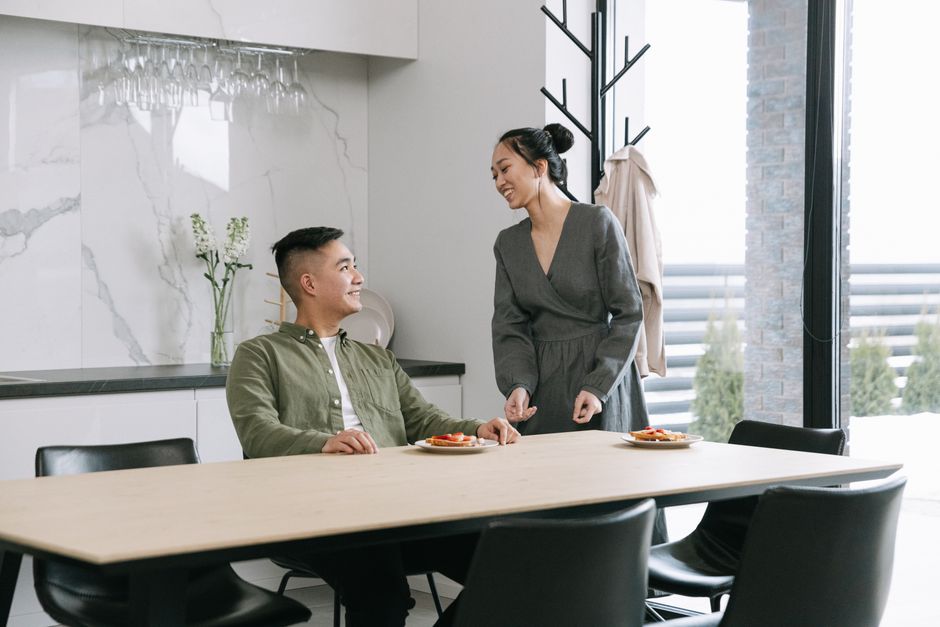
Walk through Edge Hill on a Friday morning and you'll see something rare in Australian cities: working-age people at home. Not unemployed. Not retired. Home because their jobs don't require the commute. The cafés along Grafton Street fill with laptop users by 10am, but they're locals, not tourists. The Cairns Digital Hub, a co-working space that launched from council funding in 2022, now has 280 members spread across three suburbs. Compare that to comparable facilities in Adelaide or Hobart, and Cairns is punching above its weight.
The neighbourhood character depends on water and vegetation in ways foreign to Australian cities further south. In Westcourt, many properties sit on quarter-acre blocks with established mango and avocado trees—not features added by developers for marketing, but inherited from the region's agricultural history. The cost of living reflects this. A three-bedroom weatherboard house in Westcourt lists around $485,000 to $550,000, compared to $890,000 for equivalent stock in Brisbane's equivalent suburbs. That price gap isn't just geography. It's permission to live differently.
The sticky question of summer
Summer in Cairns runs from November to March. The wet season delivers 60 percent of the year's rainfall between December and February. Developers and councils in temperate cities have been able to ignore weather design. In Cairns, you can't. New residential projects in Bungalow and Manunda now include rear courtyards designed for cross-ventilation and shade rather than open-plan living. The Cairns Housing Company's recent development on Martyn Street incorporates features—wide eaves, elevated floors, north-facing windows—that would be considered quirky in Sydney but are essential here.
The Neighbourhood House network, a council-backed program with hubs in Portsmith, Cairns North, and Westcourt, reports 2,100 active participants across programs ranging from language classes to community gardens. In comparable Australian cities, neighbourhood centers often struggle for relevance. In Cairns, they've become genuinely essential social infrastructure because the density is lower and car dependence higher. People need physical gathering spaces more deliberately.
For anyone considering a move to Cairns, understand that you're not buying into an Australian version of somewhere else. You're buying into a city where subtropical reality shapes everything—from property design to how neighbours interact to where young families actually choose to raise kids. The property market isn't cooling here because first-time buyers never left. They stayed, bought sensibly, and built communities that won't appeal to property investors chasing 8 percent returns. That's not failure. That's the point.