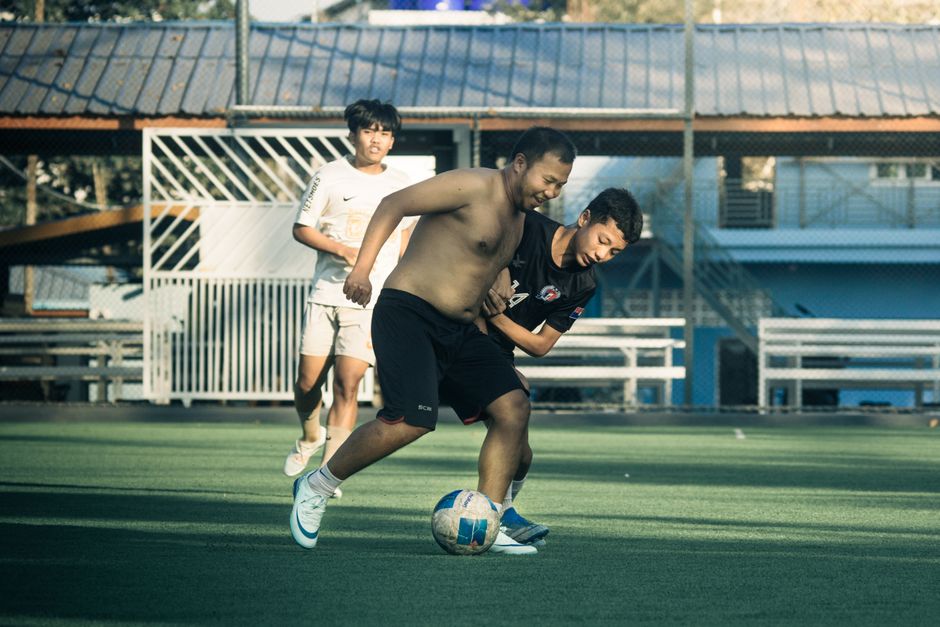
Cairns' football community is experiencing a renaissance, with participation numbers climbing steadily across junior and senior competitions over the past three seasons. Yet behind the scenes, a critical infrastructure question looms: can the region's existing venues support this growth?
The Cairns Football Association oversees competition across multiple grounds, with primary fixtures held at venues including facilities in the Manunda precinct and surrounding suburbs. While these grounds have served the region well, many were constructed or last significantly upgraded in the early 2000s, creating a maintenance and capacity bottleneck as the sport expands.
"We're seeing more families engaging with soccer than ever before," says a spokesperson from one of the region's established clubs. "But scheduling matches becomes increasingly complex when you're juggling limited pitch availability across winter and summer seasons."
Drainage remains a persistent issue during Cairns' wet season, with several grounds experiencing waterlogging that forces fixture postponements—a particular frustration in the October-to-April period. The tropical climate's intensity means that resurfacing costs escalate rapidly. A full pitch renovation can exceed $300,000, a figure beyond many volunteer-run clubs' budgets.
The Cairns Regional Council has acknowledged infrastructure needs in its long-term sports strategy, though funding commitments remain modest. Meanwhile, private facilities have partially filled the gap, with some schools and community organisations leasing their grounds to local clubs during off-peak hours—an arrangement that works but lacks permanence.
Several clubs have launched fundraising initiatives to upgrade their own facilities independently. The strategy reflects both entrepreneurial spirit and a sobering reality: waiting for government investment could mean years of operational strain.
Neighbouring regions like Townsville have invested in multipurpose synthetic pitches that withstand heavy use and require minimal maintenance, pointing toward potential solutions. A synthetic surface can cost $1.5 to $2 million upfront but offers 10-15 years of reliable service, significantly reducing long-term expenses.
As Cairns' football participation continues climbing—junior registrations have grown by approximately 12 percent annually—the infrastructure conversation will intensify. Clubs, the council, and the football association face a convergence point: invest strategically now, or risk constraining a sport on the cusp of sustained growth.
For a city that prides itself on its sporting culture, the answer seems clear. The question is whether investment will match ambition.
This article was compiled by AI from the sources linked above and screened before publishing. See our editorial standards.