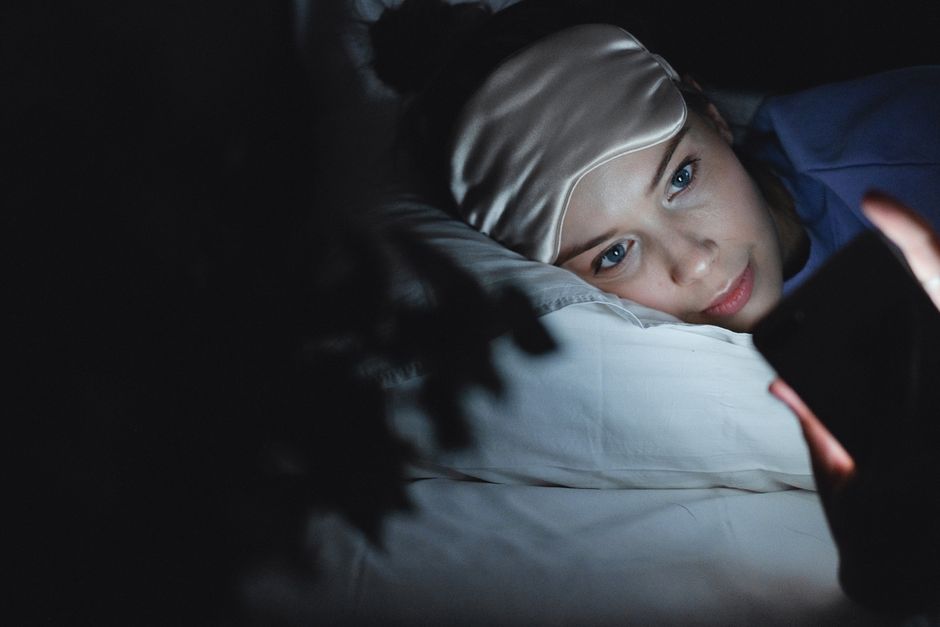
If you've spent the last decade feeling guilty about scrolling your phone before bed, a growing body of research suggests the relationship between screens and sleep is far more nuanced than the 'blue light is evil' narrative suggests.
While blue light does suppress melatonin production—the hormone that signals your body it's time to sleep—recent studies indicate the *timing* and *context* of screen use matter far more than the mere presence of a device. A 2025 meta-analysis found that the quality of sleep disruption depends heavily on content engagement and individual sensitivity, not simply light wavelength.
"What we're seeing is that doom-scrolling at 11 pm is genuinely different from reading a book on a dimly-lit e-reader," explains Dr Sarah Chen, a sleep researcher at James Cook University who has studied Cairns residents' sleep patterns. "The psychological stimulation—the endless feed, the notifications—that's often the real culprit."
For Cairns locals juggling tropical heat, reef trips, and work stress, the practical approach matters. A simple experiment: if you're lying awake in your Whitfield or Edge Hill home watching TikTok at midnight, try switching to a single audiobook or podcast instead. Same screen light, vastly different mental engagement.
The evidence-backed recommendation isn't necessarily to ban screens entirely 60 minutes before bed—a restriction many find unrealistic. Instead, research supports reducing *interactive* screen time (social media, gaming, work emails) in the final 90 minutes, while passive consumption (streaming, reading) appears less disruptive for many people.
Temperature also plays a critical role, particularly relevant for Cairns' humid nights. Keeping your bedroom temperature between 16-19°C improves sleep quality significantly. Some residents report better sleep during winter months for this reason alone. If air conditioning costs are prohibitive at current electricity rates, fans and breathable cotton sheets from Rusty's Markets' textile vendors offer affordable alternatives.
Practical local solutions: the walking tracks around the Cairns Botanic Gardens offer morning light exposure (crucial for circadian rhythm regulation) without the evening screen exposure problem. Morning movement also improves sleep architecture far more reliably than evening restrictions.
The takeaway isn't revolutionary: screens aren't inherently sleep-killers, but *how* you use them matters. Swap passive scrolling for active relaxation. Get morning sunlight. Keep your room cool. If sleep remains disrupted, Cairns Base Hospital's sleep clinic offers assessment for conditions like sleep apnea, which affects more Australians than most realise.
Your sleep quality depends on dozens of factors working together—screens are just one piece of the puzzle.
This article was compiled by AI from the sources linked above and screened before publishing. See our editorial standards.