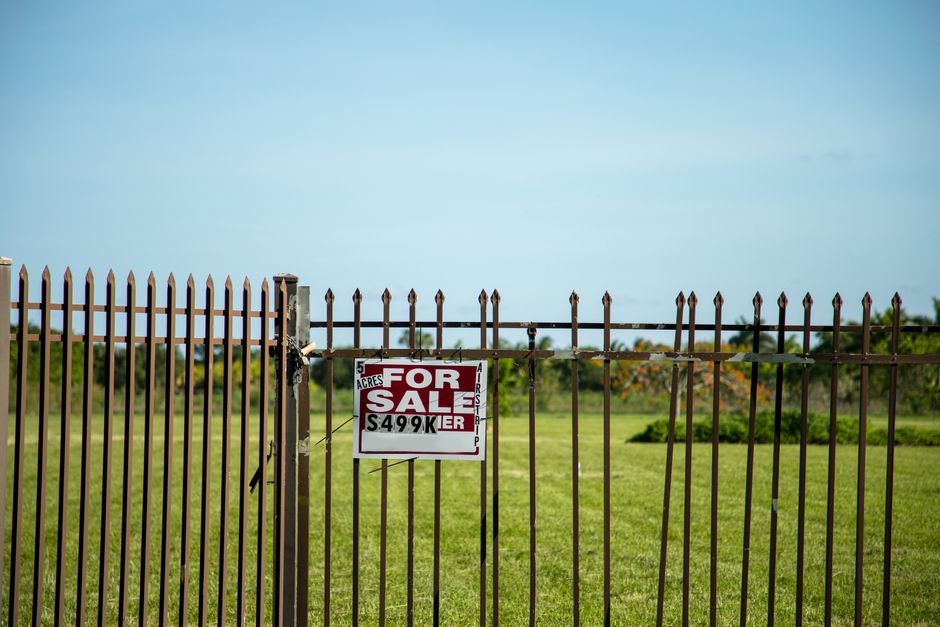
Cairns property market is bucking the trend plaguing southern capitals, with fresh data showing steady price growth and strong buyer momentum in key precincts despite Queensland's broader headwinds.
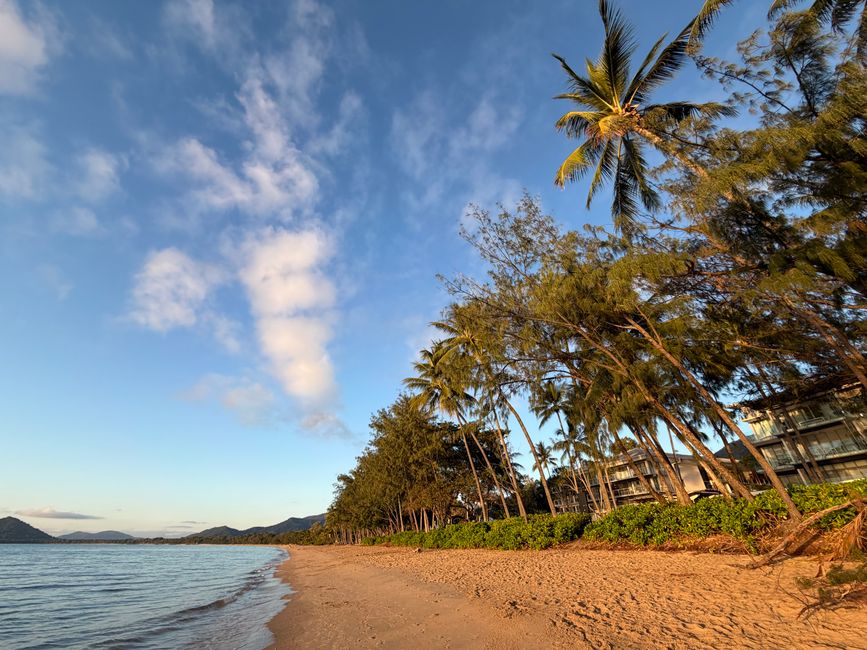
The Northern Beaches precinct—anchored by Smithfield and Trinity Beach—has emerged as the standout performer, with median house prices now consistently reaching $510,000 to $540,000, a notable climb from the $480,000 average just 18 months ago. Real estate agents working the leafy beachside corridor report sustained buyer interest from interstate relocators and empty-nesters, driven by lifestyle appeal and proximity to Cairns' booming hospitality sector.
"We're seeing genuine competition for quality homes," says one Cairns-based agent who tracks the Northern Beaches closely. "Families are prepared to move north for work in tourism and hospitality, and they're not price-sensitive like buyers in oversupply markets."
The broader Cairns market—sitting comfortably below Queensland's median of $420,000—continues to attract value hunters and investors eyeing holiday rental yields. Westcourt and Bungalow, traditionally affordable inner suburbs, are holding steady around $380,000 to $410,000, while pockets of Edge Hill show emerging strength as young professionals seek character homes within walking distance of the CBD.
What sets Cairns apart from the auction market chaos gripping Melbourne and the tax-driven uncertainty clouding parts of Brisbane is transaction confidence. Local data suggests clearance rates remain healthy in the 65–70% range across major suburbs, reflecting a healthier balance between supply and genuine buyer demand rather than speculative fever.
The tourism and hospitality workforce expansion—with major hotel and resort developments ramping up employment—continues to underpin buyer migration northward. Migration patterns show Cairns attracting workers from saturated southern markets, many prioritising lifestyle and affordability over growth-at-any-cost.
However, agents caution that Cairns isn't immune to economic tightening. Interest rate sensitivity is evident in first-home buyer activity, and the rental market shows early signs of softening as holiday apartment oversupply in beachside precincts filters into residential competition.
For investors and owner-occupiers, the current window appears favourable—prices remain accessible, demand is underpinned by genuine demographic drivers rather than speculation, and the worst of southern Australia's downturn hasn't reached Far North Queensland. Whether that insulation holds depends on tourism recovery sustaining momentum and migration patterns holding firm.
This article was compiled by AI from the sources linked above and screened before publishing. See our editorial standards.