Cairns property market has delivered its strongest quarterly performance in two years, with median values climbing 8.2% compared to the same period last year, according to preliminary data from local agents and the Real Estate Institute of Queensland.
The second quarter surge—tracking from April through June—marks a notable shift from the cautious sentiment that characterised much of 2025. Detached houses across the greater Cairns region now sit at a median of $485,000, up from $448,000 in Q2 2025, while units have appreciated to $295,000 from $273,000 year-on-year.
The Northern Beaches precinct continues to outpace broader trends. Smithfield and Trinity Beach have emerged as particular standouts, with beachside properties in the latter commanding premiums of up to 12% above the same quarter last year. A three-bedroom home on Elm Street, Trinity Beach, sold for $1.24 million in May—$140,000 above its 2025 equivalent valuation. The appeal remains straightforward: proximity to both tourism employment hubs and lifestyle amenities, from Kewarra Beach to Clifton Beach reserves.
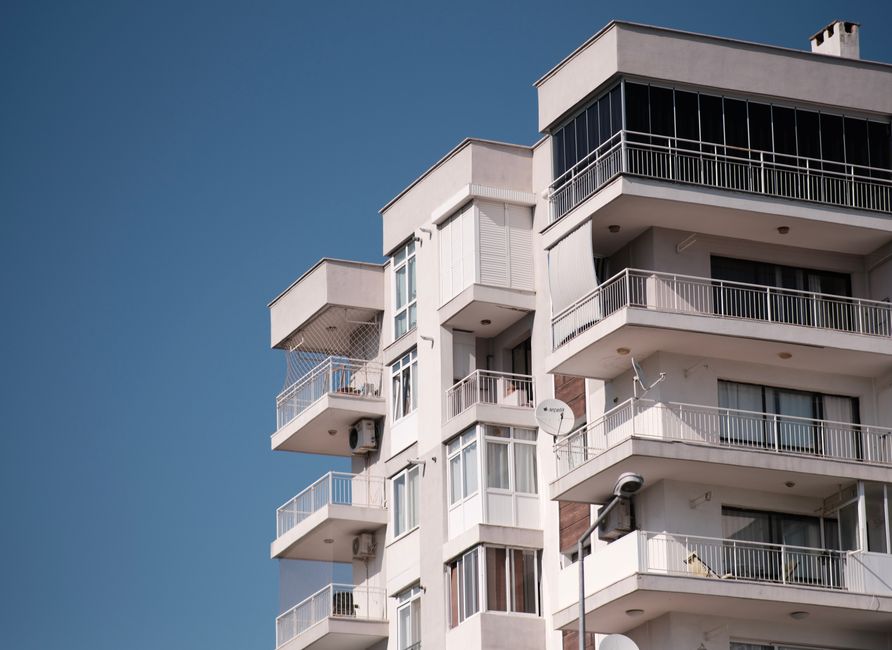
Inner Cairns suburbs are also performing well. Kangaroo Point and Portsmith have seen apartment values rise 9.5% quarterly, driven partly by renewed interest from interstate downsizers and the return of Chinese investment to the market after a period of regulatory uncertainty. Unit blocks with sea-view potential or renovation upside in these areas are attracting multiple offers.
What's driving the momentum? Market analysts point to three factors. First, a stabilisation in interest rate expectations has restored buyer confidence after 18 months of uncertainty. Second, Queensland's tourism recovery—with international visitor numbers now exceeding pre-pandemic levels—has reinforced local employment prospects and attracted migration from southern states. Third, winter conditions typically trigger seasonal buying activity, particularly among retirees and tree-changers seeking warmer climates.
However, not all suburbs share equally in the gains. Outer-lying areas north of Edmonton and south towards Woree have recorded more modest growth of 4–5%, reflecting lower demand from tourism workers and limited infrastructure investment in those corridors.
Looking ahead to the second half of 2026, agents are cautiously optimistic. The mid-year property downturn season approaches, traditionally bringing fresh stock and negotiating leverage for buyers. But with growing employment in hospitality and healthcare sectors, and continued interest from interstate relocators, the fundamentals supporting price growth appear intact.
For property owners considering refinancing or sale timing, the next 90 days will be critical—valuations are at multi-year highs, but competition for listings typically increases from July onward.
This article was compiled by AI from the sources linked above and screened before publishing. See our editorial standards.