From Port Town to Cultural Hub: How Cairns Reinvented Itself Through Arts and Heritage
The transformation of Cairns from a working waterfront into Australia's most dynamic regional cultural destination tells a story of community resilience and creative reinvention.
Our reporters are based in Cairns and cover local government, business and community. The Daily Cairns is independently owned and editorially independent — no political party, council or commercial sponsor decides what we publish. Read our editorial standards →
Walk down Shields Street today and it's easy to forget that Cairns was once primarily defined by its port operations and agricultural trade. Yet this evolution—from colonial sugar hub to contemporary cultural beacon—remains embedded in the city's identity, visible in everything from the restored heritage buildings of the Cairns CBD to the thriving arts precincts that now define neighbourhoods like Edge Hill and Portsmith.
The turning point came in the 1980s and 1990s, when tourism began reshaping the local economy. The Great Barrier Reef's growing international profile brought visitors, but it was cultural infrastructure that kept them engaged. The Cairns Performing Arts Centre, opened in 1987, became a watershed moment. What followed was strategic investment in heritage conservation along Abbott Street and the transformation of the Cairns Wharf precinct—once purely industrial—into a mixed-use cultural and dining destination that now attracts over 2 million visitors annually.
Today's creative economy reflects careful stewardship. The Tanks Arts Centre, housed in former military reservoirs in Fortitude Valley's equivalent—the Munro Street precinct—exemplifies how Cairns has adapted industrial spaces for contemporary use. Meanwhile, organisations like the Cairns Regional Gallery have become anchors for cultural tourism, with annual visitation now exceeding 150,000 people, contributing an estimated $12 million to the local economy.
But perhaps most significantly, this evolution has deepened local cultural identity rather than erasing it. Indigenous heritage remains central to Cairns' narrative. The Tjapukai Aboriginal Cultural Park, established in 1988, generated crucial dialogue about First Nations representation, while institutions like the Cairns Museum increasingly centre Yolŋu, Kuku Yalanji, and other Indigenous perspectives in interpreting the region's deeper history.
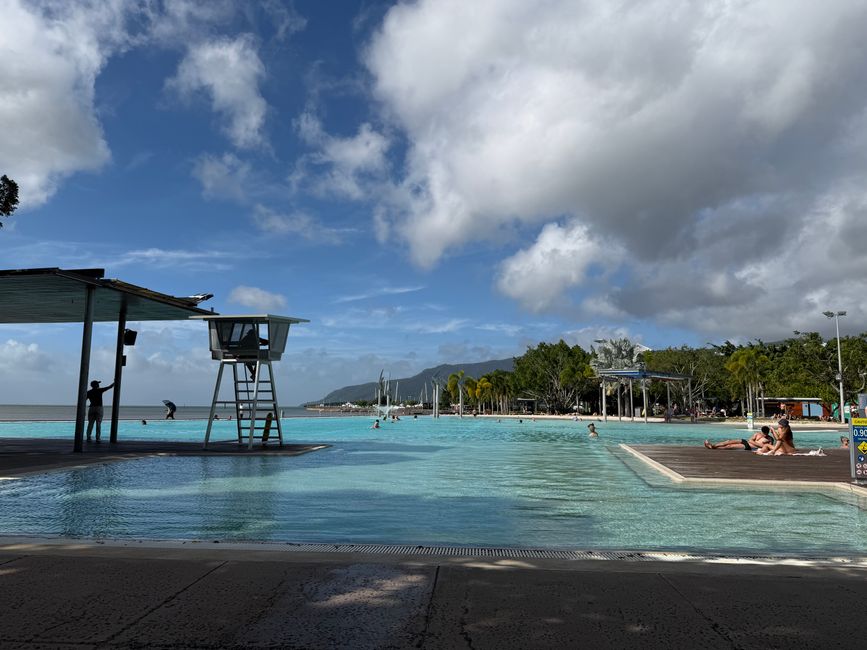
Street-level evidence of this transformation is everywhere. The laneway activation projects that now animate Grafton Street and the Esplanade reflect a deliberate strategy to reclaim public space for creative expression. Local artist collectives and independent galleries have proliferated—over 40 now operate across the city, many in converted heritage buildings where rental costs remain manageable compared to southern capitals.
What emerges is a distinctly Cairnsian model: growth without wholesale reinvention. The port still operates. Agriculture still matters. But culture has become woven into the city's economic and social fabric in ways that respect what came before while building something genuinely new. That balance—between preservation and innovation, between tourism and authentic community expression—may be Cairns' most valuable cultural export of all.
This article was compiled by AI from the sources linked above and screened before publishing. See our editorial standards.