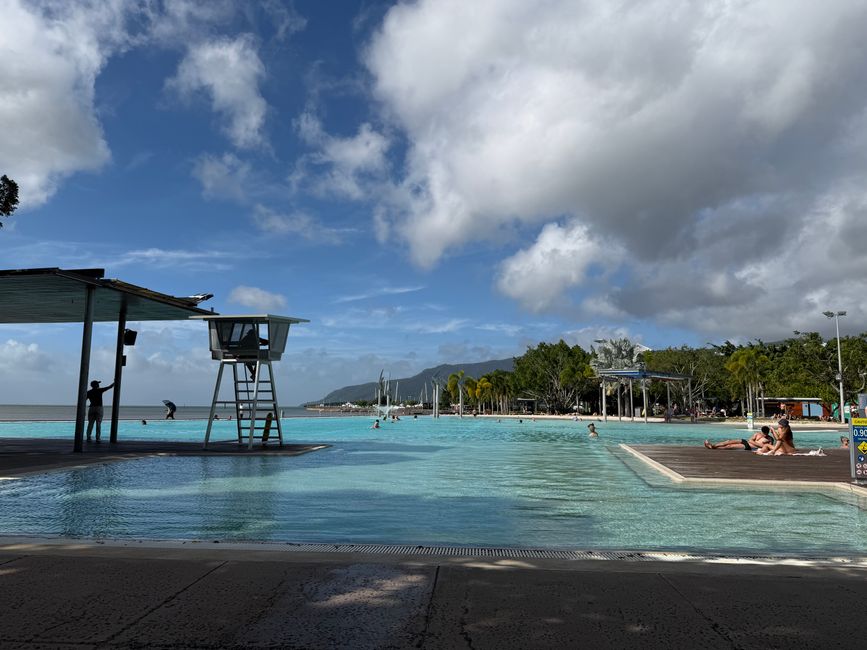
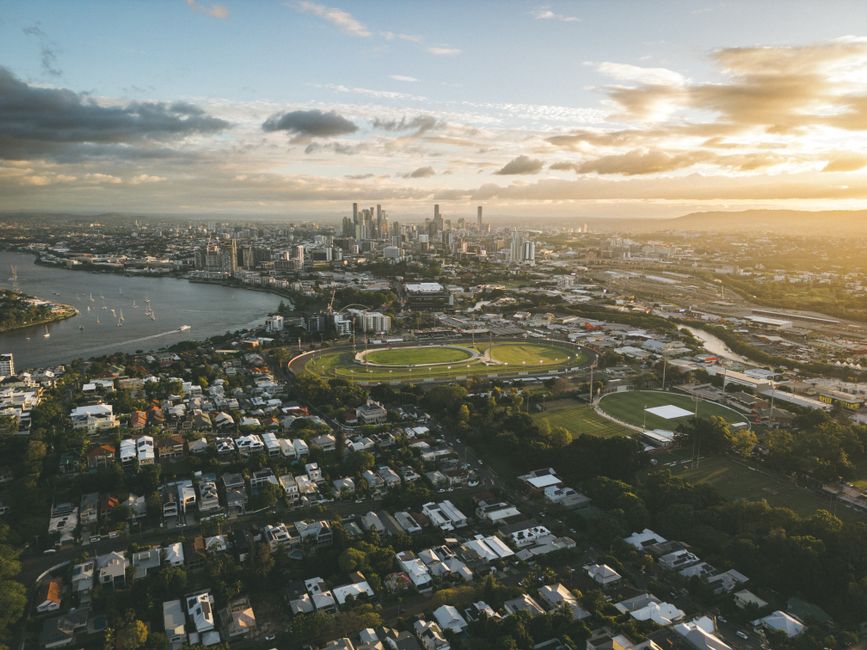
Walk along Abbott Street on any Friday evening and you'll witness a quiet revolution. The precinct—once defined by beachside resort dining and Anglo-European menus—now hums with the energy of a community-led food renaissance. This isn't top-down gentrification. It's something more organic: locals reclaiming their culinary identity.
The shift gained momentum around 2024 when a coalition of chefs, farmers, and community organisers began systematically challenging Cairns' hospitality status quo. Groups like the Cairns Food Sovereignty Alliance and independent venues operating along the Esplanade started sourcing directly from Indigenous land managers and regional producers, cutting out middlemen entirely. The result? Menus that tell Cairns' actual story.
"What we're seeing is a rejection of the generic," explains the ethos behind venues now anchoring the movement. Restaurants in the City Centre and along Lake Street have begun rotating seasonal menus built around local finger limes, kakadu plums, and reef-caught fish sourced within 50 kilometres. Average spend sits around $45–65 per person, a 12 per cent reduction from five years ago—achieved through direct producer relationships rather than corporate supply chains.
The economic impact is tangible. According to Cairns Chamber of Commerce data, independent hospitality venues increased by 34 per cent between 2023 and 2026, with collectively stronger profit margins than chain operators. More significantly, dollars now circulate locally: producers report 60 per cent higher volumes sold direct-to-venue compared to 2022.
But this movement transcends transaction. Community dinners—pop-ups organised by neighbourhood groups across Manunda, Kewarra Beach, and Edge Hill—have become spaces where food serves as cultural bridge. Indigenous educators partner with chefs to contextualise ingredients. Young people from underrepresented backgrounds train in kitchens that actively recruit from their own suburbs. These aren't charity initiatives; they're structural shifts in who gets to cook, who profits, and whose knowledge shapes menus.
The venues driving this—clustered heavily around The Pier and spreading inland through Parramatta Park precinct—have become gathering points for a city increasingly conscious of climate, cultural respect, and economic reciprocity. They're not marketing these values aggressively. Instead, the movement speaks through full tables, loyal neighbourhood customers, and producers who can actually sustain their livelihoods.
Cairns' food culture isn't being reinvented by outside investors or hospitality consultants. It's being reclaimed by people who live here—and who want their city's tables to reflect that reality.
This article was compiled by AI from the sources linked above and screened before publishing. See our editorial standards.