The number is stark. One in five Australians will experience a mental health condition this year, according to the Australian Institute of Health and Welfare's most recent national data — yet most people won't seek formal help until symptoms have been present for years. Psychologists working in Far North Queensland say the gap between early stress and clinical crisis is exactly where small daily habits can do the most work.
The timing matters. Mid-year in Cairns brings a particular kind of pressure: the dry season tourist crush is thinning out, school holidays are eating into household budgets, and a cooling property market means many younger residents are renegotiating their sense of financial security. That background hum of uncertainty — money, work, housing — is precisely the environment in which the nervous system starts running hot. Mental health clinicians call it allostatic load, the accumulated weight of chronic low-grade stress, and it quietly erodes concentration, sleep quality and emotional regulation long before anyone calls it a crisis.
The good news is that the research on resilience has shifted sharply in the past decade. The old model imagined psychological resilience as a fixed character trait — you either had grit or you didn't. The current consensus, reflected in Australian Psychological Society guidelines updated in March 2025, treats resilience as a skill set that can be built incrementally, the same way cardiovascular fitness is built: consistently, in small doses, over time.
What the evidence actually says
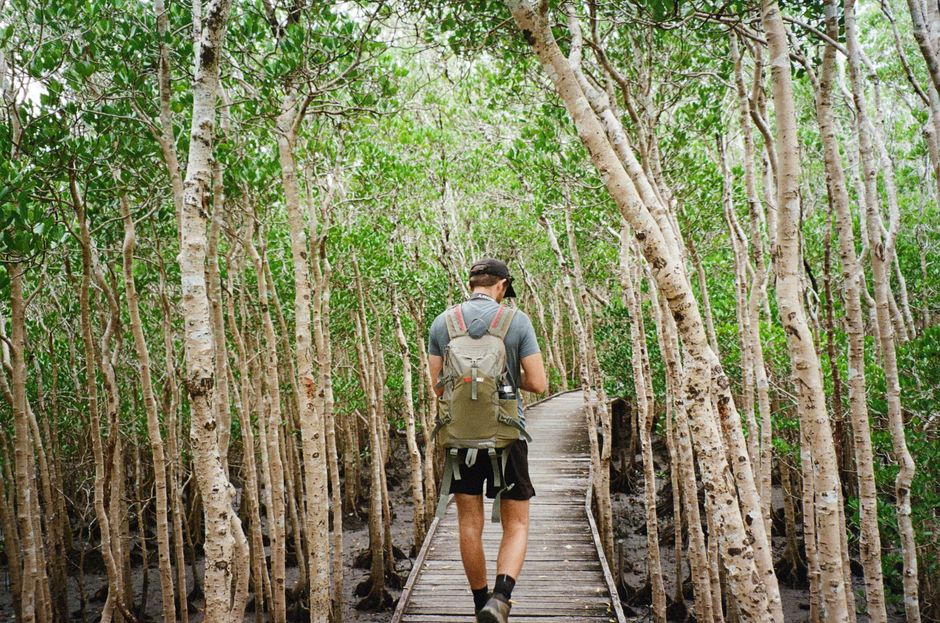
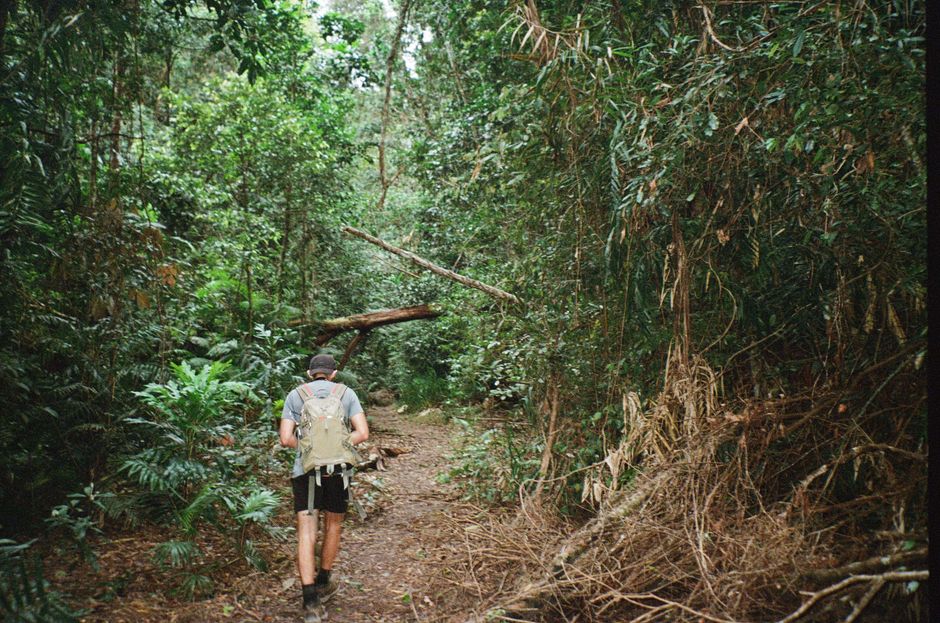
A 2024 meta-analysis published in the journal Clinical Psychology Review, covering 47 randomised controlled trials and more than 9,000 participants, found that daily mindfulness practice of as little as 10 minutes reduced self-reported stress scores by an average of 28 percent after eight weeks. Crucially, the effect held even when participants used free apps rather than formal clinical programs. Separate Australian research from the Black Dog Institute, published in late 2025, found that outdoor physical activity performed in natural environments — bush, coastline, waterways — produced measurably better mood outcomes than the same activity performed indoors.
For Cairns residents, that finding has obvious local application. The Cairns Esplanade boardwalk, which runs 2.5 kilometres from the Pier shopping precinct toward Machans Beach, is free, accessible before dawn, and provides the kind of blue-space exposure — open water views, salt air, natural light — that the Black Dog Institute data specifically flags as beneficial. Similarly, Cairns Regional Council's network of trails through the Whitfield Range Environmental Park, accessible from Greenslopes Street in Edge Hill, offers forest-bathing conditions within 15 minutes of the CBD. Neither costs a cent.
Local community organisation EACH (formerly known as Relationships Australia Queensland in Far North Queensland) runs structured mental health support programs from its Cairns office on Sheridan Street, including group-based resilience workshops that draw on acceptance and commitment therapy techniques. Referrals are available through a GP, or self-referrals are accepted under certain Mental Health Care Plan arrangements. Rusty's Markets on Grafton Street, open Friday through Sunday, is worth mentioning not as a novelty but as a practical resource: dietitians consistently link adequate fruit and vegetable intake — particularly magnesium-rich tropical produce like papaya, banana and avocado — to improved stress hormone regulation, and Cairns Base Hospital's outpatient dietetics team has pointed to local produce markets as a low-cost pathway to better nutritional status.
Where to start on Monday morning
Psychologists advise picking one habit and anchoring it to something already fixed in the daily routine — a morning coffee, a commute, a lunch break. Ten minutes of slow breathing before the first meeting. A 20-minute walk along the Esplanade before the city heats past 30 degrees. Writing three specific things that went adequately — not necessarily well — before closing the laptop at night. The specificity matters. Vague intentions dissolve; a concrete trigger paired with a concrete action tends to stick.
For anyone whose stress feels less manageable than a daily habit can address, a GP is the right first call. Cairns Base Hospital's mental health triage line operates around the clock, and the federal government's Better Access initiative allows up to 10 Medicare-rebated psychology sessions per calendar year. The rebate currently sits at $141.85 per session for a registered psychologist. That structure exists precisely because small habits, while genuinely useful, are not a substitute for clinical support when clinical support is what's needed.