Thirty minutes of moderate exercise can reduce anxiety symptoms by up to 48 percent — a figure that researchers at the American Psychological Association documented in a 2023 meta-analysis covering more than 97 clinical trials. That number keeps circulating among mental health practitioners, and for good reason: it rivals the short-term effect of several commonly prescribed anxiolytics, without the side effects.
The timing of this conversation matters. Australians are under sustained financial and social pressure heading into the second half of 2026. Housing affordability remains brutal across Queensland, job satisfaction is flagging in sectors from retail to healthcare, and the cost-of-living squeeze hasn't meaningfully eased for working families in Cairns. Anxiety referrals to Cairns Base Hospital's mental health unit on The Esplanade rose roughly 18 percent between January and June this year, according to figures cited in a recent Far North Queensland Health briefing. Against that backdrop, the case for accessible, low-cost intervention is stronger than ever.
The physiological mechanism is well established. Aerobic exercise triggers a rapid drop in cortisol, the body's primary stress hormone, while simultaneously flooding the brain with endorphins and — crucially — increasing neuroplasticity through elevated levels of brain-derived neurotrophic factor, or BDNF. Put simply: movement literally reshapes the anxious brain over time. Even a single session produces measurable mood improvements within 20 minutes of starting.
Cairns Has the Infrastructure — If People Use It
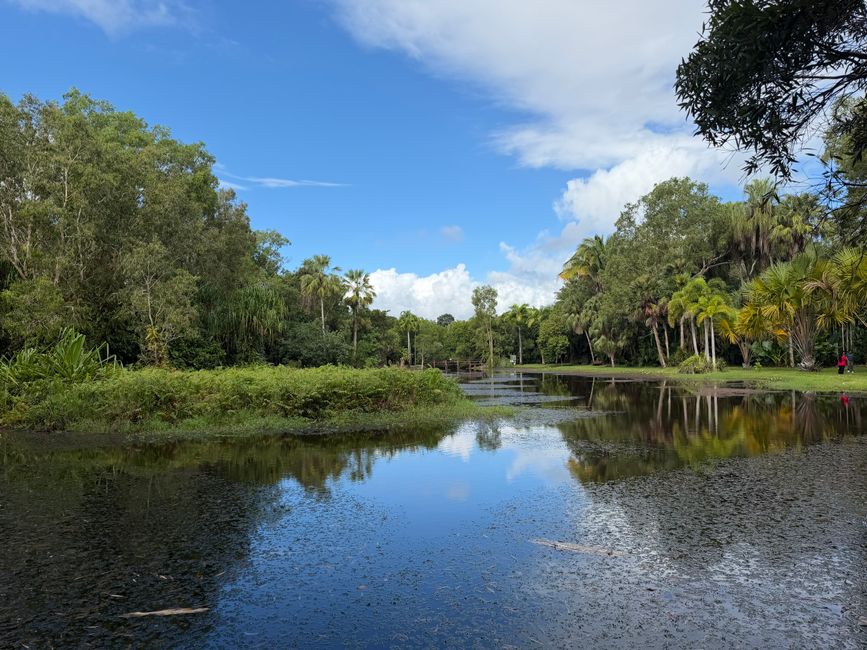
The city is better placed than most to put this research into practice. The Cairns Esplanade Lagoon precinct stretches for nearly 3.5 kilometres from Wharf Street to the northern end near Machans Beach Road, offering a flat, scenic path that's lit until late evening and free to access seven days a week. Early mornings there are busy — cyclists, walkers and joggers are out well before 7am, particularly in the dry season when temperatures sit around 22 degrees Celsius by sunrise.
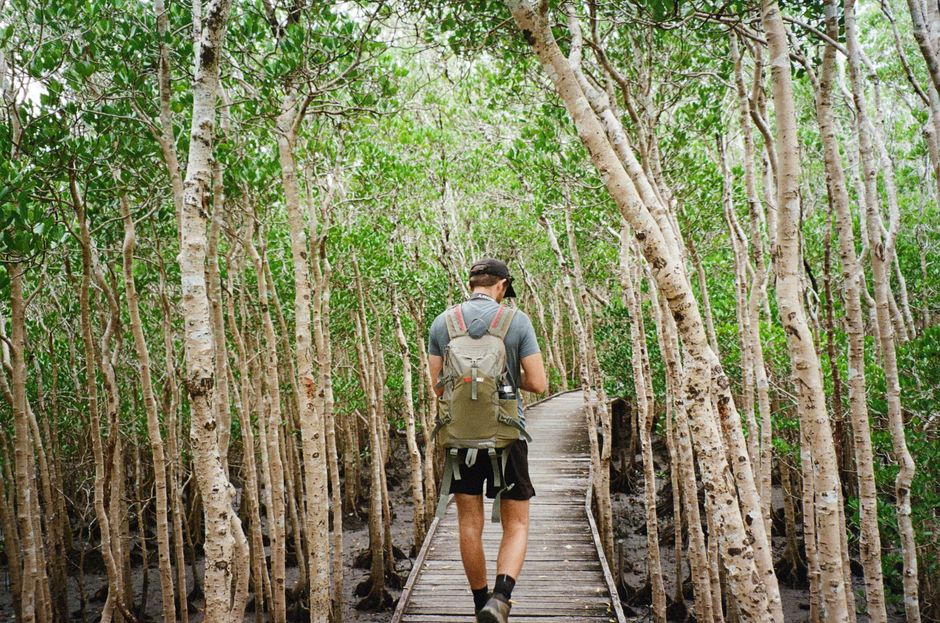
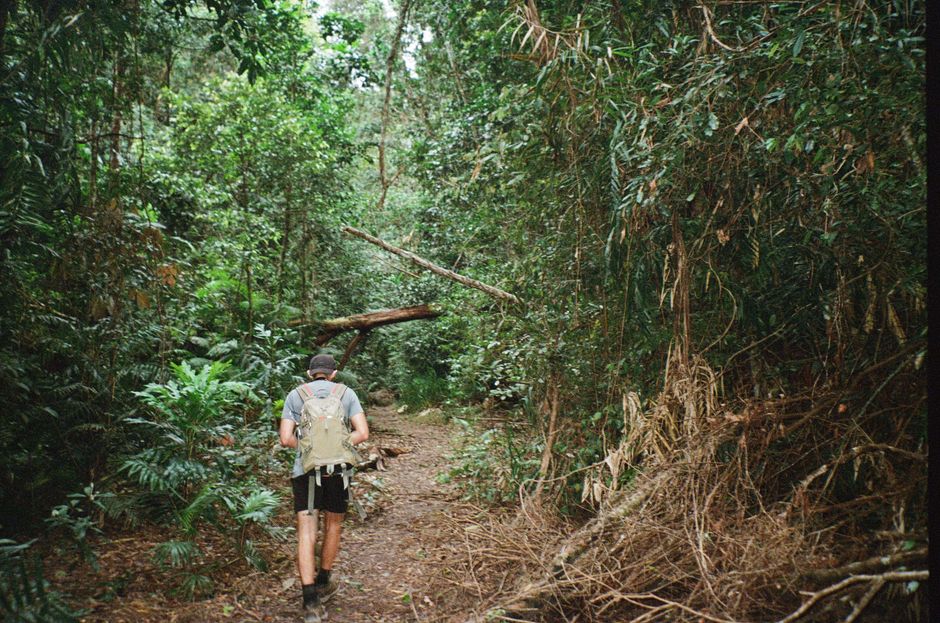
Forty minutes inland, the Atherton Tablelands offers something different: trail hiking through rainforest around Millaa Millaa Falls and the Curtain Fig Tree near Yungaburra, environments where a separate body of research — sometimes labelled 'green exercise' studies — shows anxiety reduction compounds compared with urban gym settings. A day trip from Cairns on the Gillies Highway costs next to nothing beyond fuel, and the Wet Tropics Management Authority maintains marked walking circuits that suit all fitness levels.
Locally, Cairns Regional Council's Active Cairns program runs free community fitness sessions at Fogarty Park on Minnie Street most Saturday mornings. The sessions are open to all ages and require no registration. Meanwhile, Headspace Cairns, operating out of Grafton Street in the CBD, runs a weekly group called Move & Connect that pairs light exercise with peer mental health support — specifically designed for 12-to-25-year-olds, and bulk-billed under Medicare.
Consistency Beats Intensity
The research is unambiguous on one point: frequency matters more than ferocity. Three sessions of 30 minutes each week outperforms one brutal two-hour session for anxiety management. The reason is hormonal regulation — the body needs repeated exposure to exercise-induced cortisol drops to recalibrate its baseline stress response. A study published in the journal Frontiers in Psychiatry in late 2024 found that participants who exercised three or more times weekly reported sustained anxiety reduction after just six weeks, versus negligible change in those who exercised once or less.
For Cairns residents hitting Rusty's Markets on Grafton Street on a Saturday morning, the commute itself — if walked from, say, the suburb of Parramatta Park — covers roughly 25 minutes each way. That's a meaningful dose right there, fruit and vegetables included.
Anyone experiencing persistent anxiety should speak with their GP or contact Headspace Cairns directly on (07) 4041 5555 before relying solely on exercise as a management tool. The research supports movement as a complement to professional care, not a replacement. But as entry points to better mental health go, the Esplanade path at dawn — free, flat and facing the Coral Sea — is a hard one to argue with.