The science is settled on one thing: deliberately slowing your breath works. Within 90 seconds of shifting to a controlled breathing pattern, heart rate drops, cortisol production slows, and the prefrontal cortex — the part of the brain responsible for clear thinking — regains the upper hand over the body's alarm system. For residents of Cairns, where the working day can swing from 85 per cent humidity at 7am to a peak-season tourist crush along the Esplanade by noon, that 90-second window matters.
Stress in Far North Queensland carries its own particular flavour. Housing costs have climbed steeply over the past two years, with median Cairns rents sitting around $620 per week as of the June 2026 quarter according to Real Estate Institute of Queensland figures. Cost-of-living pressure, long commutes for residents in the southern corridor around Gordonvale and Edmonton, and the relentless scheduling demands on hospitality workers servicing the reef tourism industry have combined to push workplace stress reports at Cairns Base Hospital's community health unit to a three-year high. Breathing costs nothing. That's the pitch.
What the techniques actually involve
The most well-documented method is physiological sighing — a double inhale through the nose followed by a long, slow exhale through the mouth. Stanford neuroscientist research published in Cell Reports Medicine in January 2023 found this pattern reduced self-reported anxiety faster than mindfulness meditation or simple breath awareness in a sample of 114 participants. The ratio that produced the strongest effect: two short nasal inhales totalling about four seconds, then a single exhale lasting six to eight seconds. Repeat five times. You can do it at the wheel of your car in the Smithfield Shopping Centre car park before walking into your next meeting.
Box breathing is the second tool. Four counts in, four counts hold, four counts out, four counts hold. The technique has been standard training for emergency responders since the 1980s and is now embedded in the mental fitness curriculum at James Cook University's sport and exercise science faculty on the Smithfield campus. The four-beat structure gives a stressed mind something concrete to count, which interrupts the rumination loop. Set a phone timer for three minutes — that's roughly nine complete cycles — and the effect is measurable.
The third technique is extended exhale breathing, sometimes called 4-7-8, though the exact counts matter less than the principle: your exhale must be longer than your inhale. The parasympathetic nervous system activates on the out-breath. A four-second inhale paired with an eight-second exhale is enough. Cairns-based wellness studio The Breathing Room, operating out of Grafton Street in the CBD, runs lunchtime sessions on Tuesdays and Thursdays specifically built around this method, with drop-in pricing at $18 per session as of this month.
Where to practise in Cairns when the office walls close in
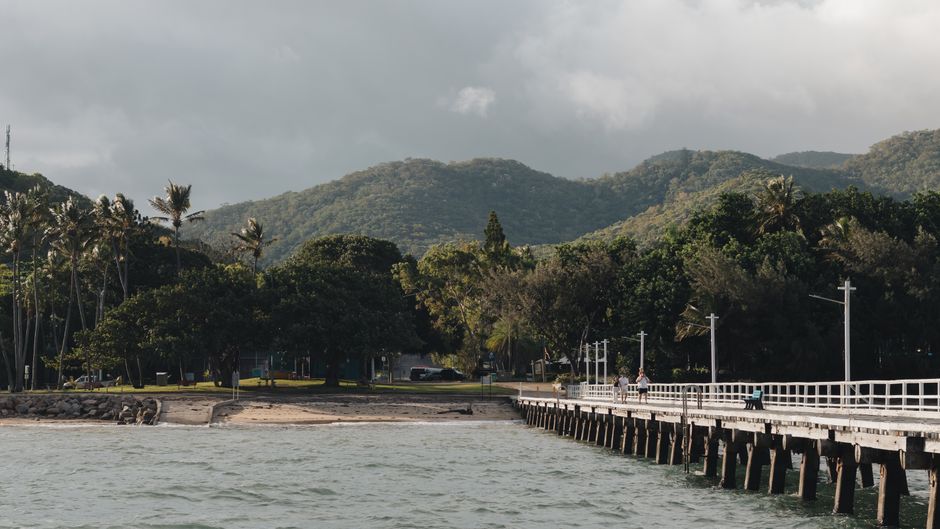
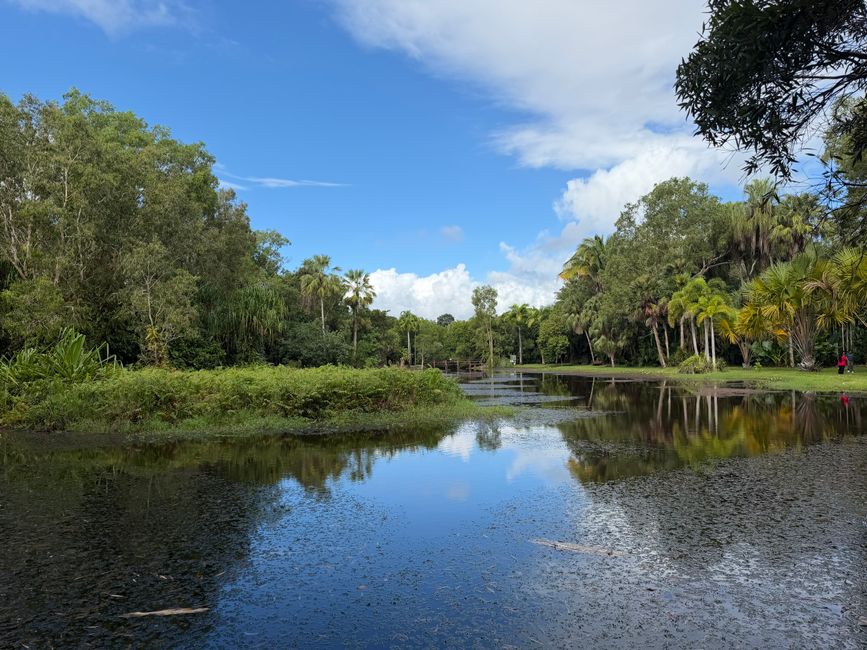
Location matters more than most breathwork guides acknowledge. Outdoor practice accelerates the effect because green or blue visual environments independently lower cortisol. The boardwalk section of the Cairns Esplanade between Fogarty Park and the Lagoon is a reliable option — 3.5 kilometres of flat path with a sea sightline that short-circuits the stress response before you even start a breathing cycle. The Botanic Gardens on Collins Avenue in Edge Hill offer the same effect under canopy, with a shaded bench at the base of the Gondola Rainforest Walk that is almost always quiet between 10am and noon on weekdays.
For those who prefer a structured environment, Yoga Cairns on Shields Street runs a 45-minute pranayama — breath-focused yoga — class at 6am on Mondays and Wednesdays, priced at $22 casual or $15 with a concession card. The Atherton Tablelands, a 90-minute drive inland, offers a harder reset altogether: the walk to Millaa Millaa Falls combines the breathing demands of moderate elevation with a visual environment that researchers classify as high-restorative. A Saturday morning there undoes a week.
The practical starting point is simpler than any of those options, though. Pick one technique — physiological sighing is the fastest to learn — and commit to three minutes at the same point each day for two weeks. Tuesday morning before the inbox. The lunch break before the school pick-up. Evidence suggests habit formation around breathwork stabilises within 14 days. For tailored advice, particularly for anyone managing anxiety, hypertension or respiratory conditions, a GP or allied health professional at Cairns Base Hospital or a local bulk-billing clinic should be the first conversation.