Friday evenings at Holloways Beach used to be just another slot for endless phone scrolling—until 25 residents joined a new, weekly phone-free sundown. For many in Cairns, scheduled digital detox hours are slowly shifting from theory to routine, as locals wrestle with growing concerns about constant connectivity and mental fatigue.
Demand for stress relief strategies is climbing as news cycles churn and social feeds rarely pause, especially in the wake of tragic headlines touching young people and the city’s collective wellbeing. As regional studies point to rising anxiety among Queenslanders, Cairns’ mental health services are encouraging locals to carve out deliberate offline hours, championing it as a simple first step towards a calmer mind.
Connecting offline in the tropics
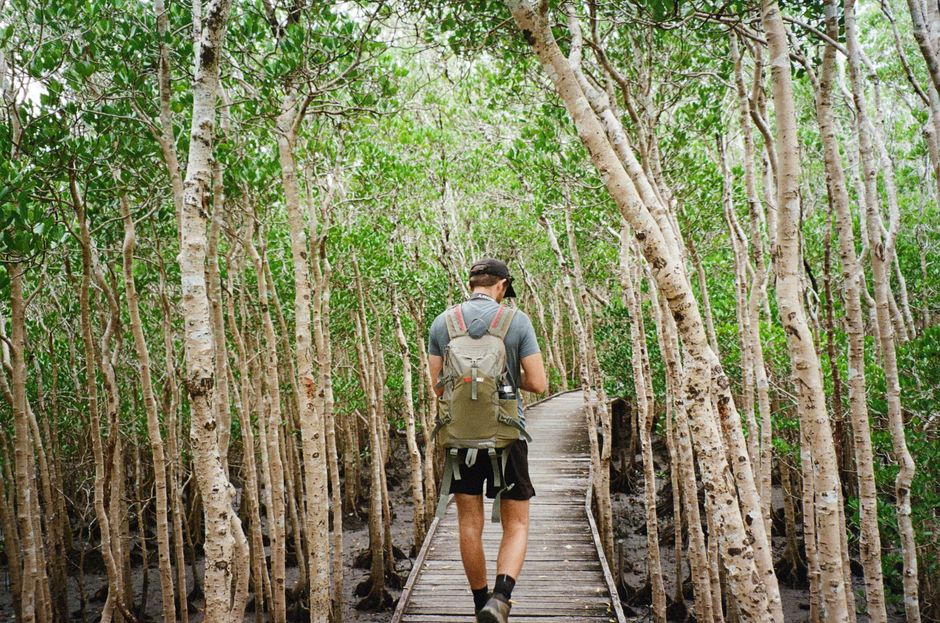
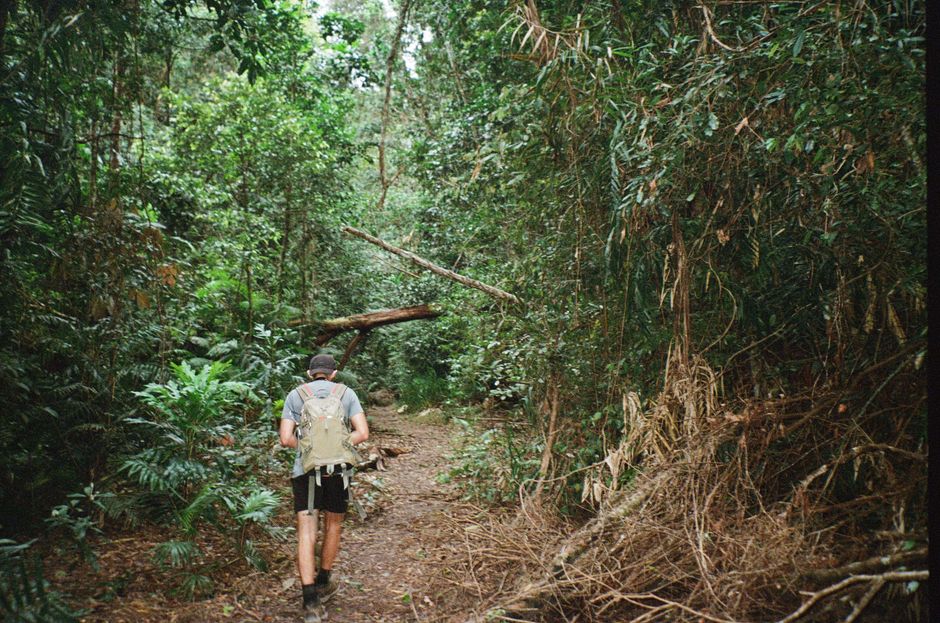
The tropical backdrop of Cairns does little to insulate residents from digital fatigue. However, it does offer an advantage: abundant natural alternatives. Mind Australia, which runs peer support programmes at the Cairns North Community Centre on McLeod Street, reports a 27% jump in interest for group activities that require phones to be left at the door. Popular walks led by the Cairns and District Walking Club—often at the Red Arrow trail near Edge Hill—are drawing over 40 participants most weekends, boosted by the club’s new policy of phone-free sign-ins. One organiser, declining to be quoted by name, pointed to the surge in post-pandemic anxiety and said that "people are ready to make a change—they just need a nudge.”
These initiatives rest on a simple idea: routine, collective, tech-free hours can retrain habits and benefit mental health. "We see fewer ‘phantom vibration’ complaints—those moments when people think their phone buzzed but it hasn’t—since we started encouraging at least one hour per day completely offline," a Cairns-based wellness program coordinator tells The Daily Cairns.
A hidden cost—and a practical plan
Research from the University of Queensland published in February 2026 found that nearly 62% of adults in regional Queensland reported checking their phone within 10 minutes of waking. Local GPs linked heavy device use to sleep problems, anxiety, and low mood. Meanwhile, clinics at Cairns Base Hospital noted a 13% rise in stress-related intake appointments compared to winter 2024. The financial cost isn’t small, either: Australian households now spend an average of $115 monthly per mobile phone plan, according to the ACCC. That’s hundreds lost to "doomscrolling"—and maybe, to stress.
Experts suggest starting small: map your habits for a week, then block off just 30 minutes daily where devices are off and out of sight. Popular times in Cairns include sunrise strolls along the Esplanade or evening swims at Tobruk Memorial Pool, both boasting phone lockers for those willing to take the plunge. Local group Detox@Dusk, which meets at Munro Martin Parklands each Thursday at 6pm, opened bookings for a fortnightly phone-free mindfulness session—$8 per person, sold out for July.
"It’s not about shaming or going off-grid forever," said a volunteer guide. Instead, practical digital detox is about marking the line between useful connection and unhealthy compulsion. Community resources like the Cairns Libraries’ board game nights (held on Abbott Street) quietly encourage this, fostering real-world play in a device-free space.
As the city leans into winter, the invitation stands: set a phone curfew. Tap into Cairns’ landscape and its growing menu of analogue events. For anyone wanting to break the cycle but not sure where to begin, local wellness services—from the free evening meditations at the Botanic Gardens to paid workshops at The Space Cairns—recommend setting a consistent, realistic device-off window. Even an hour a day, they say, can change the rhythm of a stressed city’s mind.